





The Great Pre-Festive Declutter
The first step in this annual ritual is a thorough declutter, often referred to as 'Diwali Safai'. This isn't just about tidying up; it's a deep-seated tradition of making space to welcome good fortune. Families begin by emptying cabinets and pantry shelves,
taking stock of everything. This process involves identifying and removing expired food items, duplicate utensils, and gadgets that haven't been used since the last festive season. The goal is to create a clean slate by discarding what's no longer needed, making it easier to see what remains and how to best organize it for the cooking marathon ahead. Many tackle this task one cabinet at a time to avoid feeling overwhelmed.
Zoning for Peak Efficiency
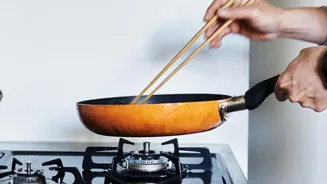
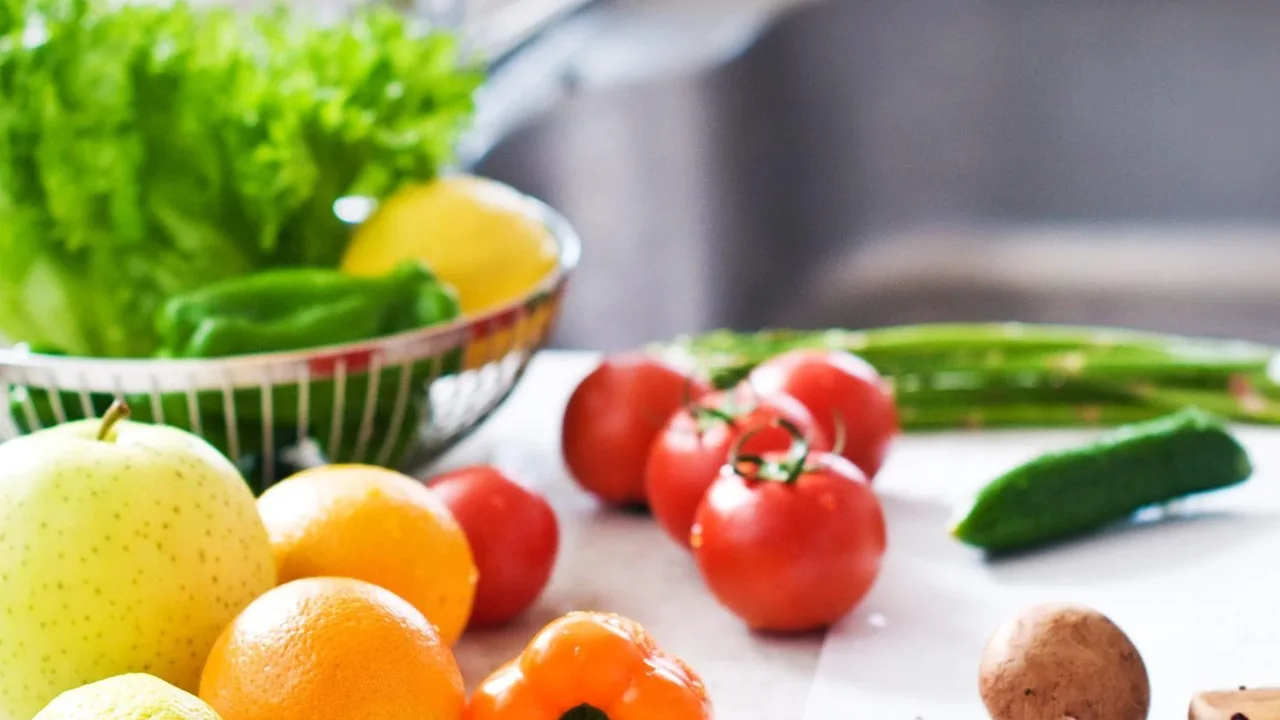
An organized kitchen is one where everything has a logical place. Home cooks are increasingly creating distinct 'zones' to streamline the cooking process. The 'cooking zone' around the stove holds everyday spices, oils, and frequently used ladles for easy access. A 'preparation zone' near the sink is designated for washing and chopping. Another key area is the pantry, where items are grouped by frequency of use: daily staples like dal and rice are kept at eye level, while occasional ingredients for festive sweets are stored on higher shelves. Many also create a dedicated tea and coffee station to easily serve guests without disrupting the main cooking flow.
Smart Storage and Pantry Overhaul
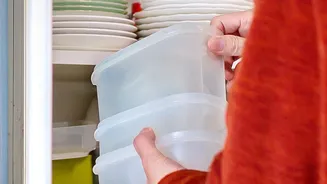
With clutter gone, the focus shifts to smart storage. There's a strong trend towards decanting groceries from their original packaging into uniform, airtight containers. See-through containers are particularly popular as they make ingredients easy to identify at a glance. To maximize space, especially in smaller kitchens, stackable square or rectangular containers are preferred over round ones as they leave no wasted gaps on shelves. Drawer dividers for cutlery and organizers for pans and lids are also being widely adopted. The spice cabinet, a cornerstone of the Indian kitchen, gets a full reset, with old spices discarded and jars refilled and clearly labelled.
The Top-to-Bottom Deep Clean
Once the cabinets are sorted, the deep cleaning begins. This is more than a routine wipe-down; it’s a systematic, top-to-bottom scrub. The process typically starts with the highest points, such as ceiling fans and light fixtures, before moving down to cabinets, walls, and countertops. Special attention is given to degreasing the kitchen chimney, stove, and backsplash, where oil and grime accumulate. Appliances like the refrigerator, microwave, and mixer-grinder are also emptied and cleaned inside and out. This ensures the entire space is hygienic and ready for the intensive cooking sessions that will produce festive delicacies.
Final Touches and Appliance Checks
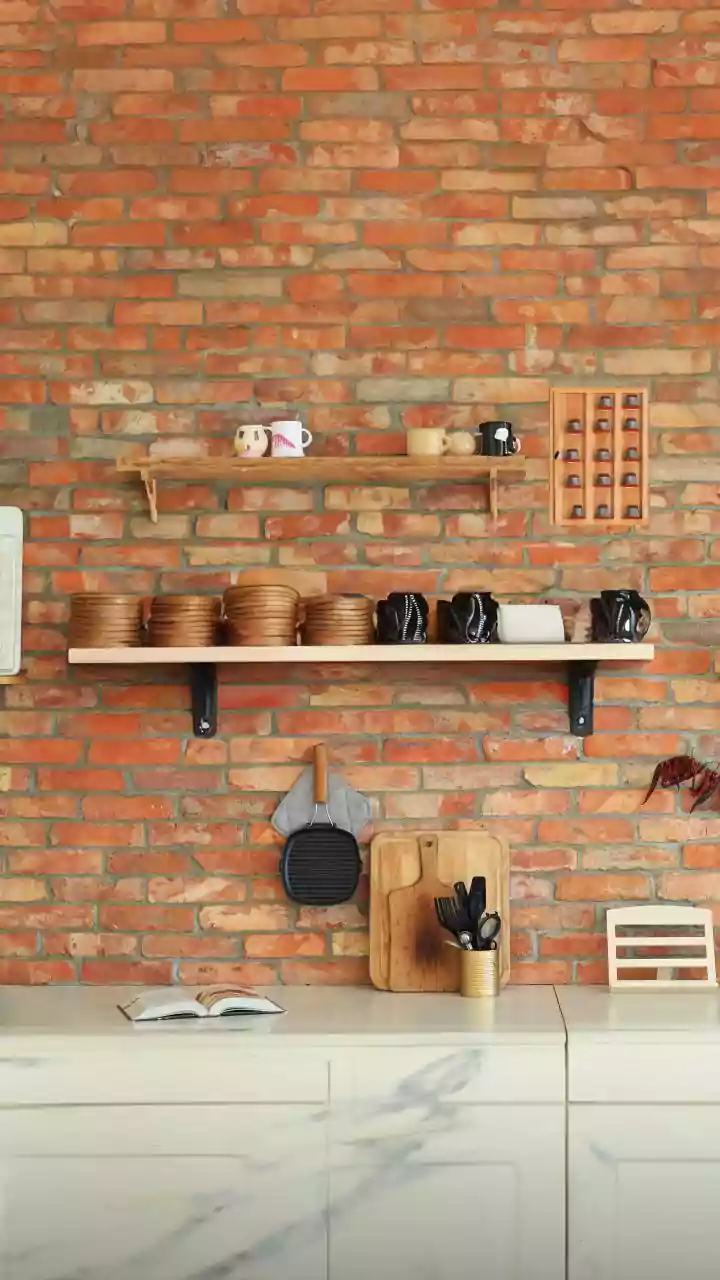
The final stage involves preparing for the actual cooking. This includes checking and servicing essential appliances to ensure they are in good working order. Countertops are cleared of everything except the most frequently used items to maximize workspace. Many take inventory of their serving ware to make sure they have enough plates, bowls, and platters for hosting guests. Ladles and spoons are arranged near the stove, and a fresh set of kitchen towels is brought out. These final touches transform the kitchen from a daily workspace into a festive command centre, ready for the joyous culinary efforts to come.