

How to Recognise a Fracture
It can be difficult to distinguish between a fracture, a dislocation, and a severe sprain without an X-ray, so it's best to treat any significant limb injury as a potential break. Common signs and symptoms include sudden and intense pain, significant swelling
and bruising, and a visible deformity where the limb looks bent or out of place. The person may be unable to move the limb or bear weight on it. In some cases, a 'popping' or 'grating' sound might be heard or felt at the moment of injury. Any time a bone is visibly piercing the skin, it is known as an open or compound fracture and requires immediate emergency attention.
The Golden Rule: Stop, Support, and Stay Still
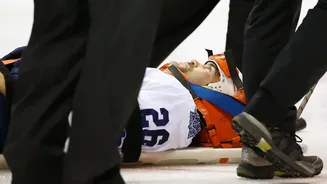
The single most important goal of fracture first aid is to prevent further movement. Moving a broken bone can worsen the injury, damage surrounding nerves and blood vessels, increase bleeding, and cause immense pain. Do not try to straighten the limb or push a protruding bone back into the skin. The priority is to keep the person and the injured part as still as possible. Encourage them to support the injury with their own hands if they are able. If not, you can help by placing cushions, rolled-up towels, or clothing on either side of the limb to keep it steady while you wait for medical help.
Step-by-Step: Taking Action
Once the person is still, there are a few key steps to take. If there is bleeding, especially with an open fracture, apply firm pressure to the wound with a clean cloth or sterile bandage. If a bone is sticking out, press on the area around it, not directly on the bone itself. To help reduce swelling and pain, you can apply an ice pack wrapped in a towel to the area for 15 to 20 minutes at a time; never place ice directly on the skin. If possible and without causing more pain, elevating the limb above heart level can also help limit swelling. For example, you can rest an injured leg on a pile of cushions.
Improvising a Splint If Help Is Delayed
A splint should only be applied if medical help is delayed or the person must be moved. The goal of a splint is to immobilise the joints above and below the break. You can improvise a splint using a rigid object like a rolled-up newspaper, a sturdy piece of cardboard, or a board. This should be well-padded with soft material like clothing or towels. Place the rigid support along the injured limb and secure it with strips of cloth, belts, or tape tied above and below the injury—but never directly over it. The ties should be snug but not so tight that they cut off circulation. Always leave fingers or toes exposed to check for colour and feeling.
What You Should Never Do
Knowing what not to do is just as critical. Never try to realign or 'fix' a deformed limb. Do not move the person unless they are in immediate danger. Avoid giving the injured person anything to eat or drink, as they may require surgery. Do not apply heat to the injury in the first 48 hours, as this can increase swelling. If a cast has already been applied by a professional, never try to remove it yourself, and don't stick objects inside to scratch an itch, which can damage the skin and cause infection.
When to Call for an Ambulance
While any suspected fracture requires medical attention, certain situations are emergencies. Call for an ambulance immediately if the person is unresponsive, there is heavy bleeding, or if you suspect a fracture in the head, neck, or back. An open fracture, where bone breaks the skin, always requires emergency care. Other red flags include a visibly deformed limb, or reports of numbness or tingling in the extremity, which could signal nerve damage or a loss of circulation. Severe pain from a major trauma, such as a car accident or a fall from a significant height, also warrants an emergency call.