







The Mental Toll of the Commute
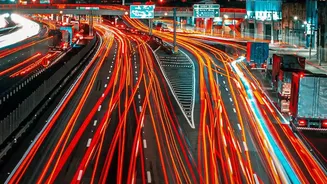
Before we can fix the schedule, it’s important to acknowledge the problem. The daily commute in major Indian cities is more than just a logistical challenge; it's a significant source of stress and anxiety. Studies and daily experiences show a direct
link between long, unpredictable travel and mental fatigue. Commuters often arrive at work already drained, and return home with little energy left for family or personal life. The constant uncertainty—Will I be late? How bad is the traffic today?—keeps our bodies in a heightened state of alert, which, over time, contributes to burnout. The feeling of being powerless against a delayed train or a gridlocked highway is profoundly frustrating. Building 'margin' into your day is not a luxury; it’s a necessary strategy to protect your well-being.
Redefine Your Definition of ‘On Time’
The first step is a mental one. Instead of aiming to arrive exactly on time, make your goal to arrive early. This isn't about adding more stress; it’s about shifting your target. If a meeting is at 10 AM, don’t plan to get there at 9:55 AM. Plan to be there by 9:40 AM. This simple change transforms your mindset from a frantic race against the clock into a calm, controlled journey. The unpredictability of transport no longer has the power to make you late; it only has the power to eat into your buffer. This re-framing gives you back a sense of control, which is crucial for reducing travel-related anxiety. It’s a proactive stance against chaos, ensuring that even on the worst days, you are still punctual.
Build a Practical Buffer Zone
A mental shift needs a practical plan. Your 'buffer zone' is the extra time you build into your travel. For a routine trip to the office, a 20-minute buffer might be enough. For a critical client meeting or a job interview, an hour is more realistic. During monsoon season or major festival days, doubling your usual buffer is a wise move. Check real-time traffic or public transport apps before you leave to make an informed decision. This buffer isn't wasted time. Think of it as insurance for your schedule and your sanity. If your journey is smooth, you have extra time to prepare or relax. If it’s not, your buffer gets absorbed, and you still arrive without the frantic stress that ruins your focus.
Turn Waiting Time into ‘Found’ Time
So, what happens when you arrive 30 minutes early? This is where the magic of margin truly pays off. This 'in-between' time is a gift. Instead of seeing it as waiting, see it as an opportunity. Use it to clear out your inbox, listen to a podcast, read a chapter of a book, or call a friend you haven't spoken to in ages. You could also use it to grab a coffee and mentally prepare for your next task. By having a plan for your potential extra time, you transform it from a period of idle waiting into a productive or restorative part of your day. This makes the act of leaving early feel like a strategic advantage, not a sacrifice.
Lean on Technology and Backup Plans
In the modern commuting battle, your smartphone is your best ally. Use apps that provide live train status, real-time traffic updates, and alternative route suggestions. Knowing about a delay or a traffic jam as it happens allows you to pivot. This brings us to the importance of a backup plan. If your primary train line is down, do you know the best bus route? If the main road is blocked, what’s the quickest alternative street? Having a Plan B (and even a Plan C) ready means you spend less time panicking and more time acting. This preparedness is a cornerstone of a low-stress commute.
Negotiate for a More Flexible Schedule
Finally, the most effective solution might be to change the game entirely. Workplace flexibility is no longer a rare perk in India; it’s becoming a mainstream strategy for attracting and retaining talent. Many companies now recognize that reducing commute stress leads to more focused and productive employees. If your role allows for it, have a conversation with your manager about flexible hours. Starting your day at 10:30 AM instead of 9:00 AM could mean missing the worst of the rush hour traffic. Even the ability to work from home one or two days a week can dramatically improve your work-life balance and overall well-being. Frame your request around productivity and well-being, not just personal convenience.