



From Sightseeing to 'Skill-Caysions'
For decades, a holiday meant ticking boxes: the Taj Mahal, a sunset point, the most famous temple. Today, young Indians are rewriting the rules. They are trading passive sightseeing for active participation, giving rise to interest-based travel. Instead
of simply visiting a destination, they are going there to do something specific: learn to surf in Kovalam, practice astrophotography in the Spiti Valley, master a regional cuisine in a Goan homestay, or join a yoga retreat in Rishikesh. This is less about collecting souvenirs and more about collecting skills and experiences. The trip's success isn't measured by the number of landmarks photographed, but by the personal growth, learning, and genuine connection achieved. The holiday becomes a 'skill-caytion', a passion project, or a wellness journey.
What’s Driving the Change?
Several factors are fuelling this significant shift. The influence of social media is undeniable; platforms like Instagram have created a currency out of unique, shareable moments. A picture of you learning pottery in a remote village is far more distinctive than another photo of a crowded monument. This has pushed travellers to seek out destinations that are not just 'Instagrammable', but also offer authentic, experience-rich activities. Furthermore, there is a growing desire for personal fulfilment and a break from routine. After years of structured education and the pressures of new careers, young people are using their leave to invest in themselves. According to a recent Agoda report, many young Indians now see travel as a regular part of their lifestyle, consciously planning trips that align with their personal interests. They are often taking shorter, more frequent trips, which makes it easier to pursue a specific hobby or interest over a long weekend.
A New Itinerary for the Modern Traveller
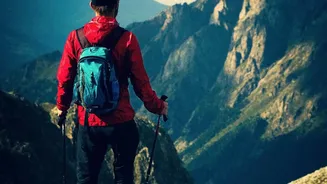
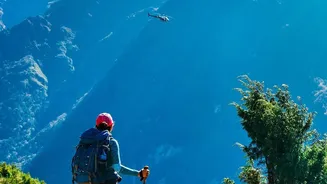
So, what does an interest-based itinerary look like? It is highly personalized and experience-led. For adventure seekers, it could mean a multi-day trek organized by a specialized operator in the Himalayas or scuba diving certification in the Andaman Islands. For the creatively inclined, it might be a folk-art workshop in Rajasthan or a creative writing retreat in the hills of Kumaon. Wellness tourism is another huge driver, with travellers seeking out everything from silent meditation courses to digital detoxes. According to a 2026 report, for Gen Z travellers, the experience is the main driver, whether that's exploring different cultures, which 56% highlight, or outdoor activities, chosen by 36%. This shift means the destination is often chosen because it is the best place for that specific activity, reversing the old model of picking a place and then finding things to do.
How the Travel Industry Is Responding
The travel industry, historically geared towards standardized packages, is quickly adapting. A new ecosystem of boutique travel companies and specialized operators has emerged, offering curated experiences for niche interests. Companies like Thrillophilia and WanderOn focus on adventure and experiential tours, connecting travellers with local guides and unique activities. Homestays and local hosts on platforms such as Airbnb are also thriving, as they can offer the authentic, hyperlocal experiences this demographic craves. Even mainstream tour operators are now offering 'experiential' add-ons to their packages, acknowledging that the modern traveller wants more than just a hotel and a bus tour. The market for experiential travel in India is booming, projected to grow significantly as more young people prioritize meaningful journeys over material possessions.