




The Festive Feast and Its Aftermath
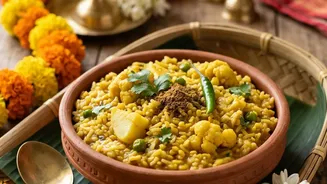
Diwali, the festival of lights, is a time of abundance, generosity, and, of course, food. Kitchens across India operate in overdrive, producing an incredible array of sweets, savouries, and elaborate meals to share with family and friends. But this annual
culinary explosion comes with a significant downside: a massive spike in food waste. While the spirit of the festival is about sharing prosperity, a large volume of this lovingly prepared food often ends up in the bin. Recent reports during the festive season show that major cities like Mumbai and Pune see a surge in daily waste generation by hundreds of metric tonnes, a significant portion of which is wet or food waste. This isn't just a personal loss of effort and money; it's part of a larger national issue. India wastes a staggering amount of food annually, with households being major contributors. The festive period, with its emphasis on excess, unfortunately, amplifies this trend.
The Urban Strain of Food Waste
In India's major metropolitan areas, the consequences of food waste are particularly acute. Cities like Delhi, Mumbai, and Bengaluru are already grappling with immense pressure on their infrastructure. When leftover food is thrown away, it ends up in landfills that are already overflowing. In these landfills, decomposing organic matter releases methane, a greenhouse gas that is significantly more potent than carbon dioxide, contributing directly to climate change. Food waste in urban landfills also leads to the creation of toxic leachate, a liquid that can contaminate groundwater and soil, posing long-term environmental and health risks. Furthermore, every morsel of wasted food represents a loss of the precious resources used to produce it, including water, energy, and labour. In a dense urban environment, managing this waste puts an enormous strain on municipal services and budgets, making every household's effort to reduce waste a vital contribution to the city's overall health and sustainability.
From Mithai to Milkshakes: Creative Repurposing
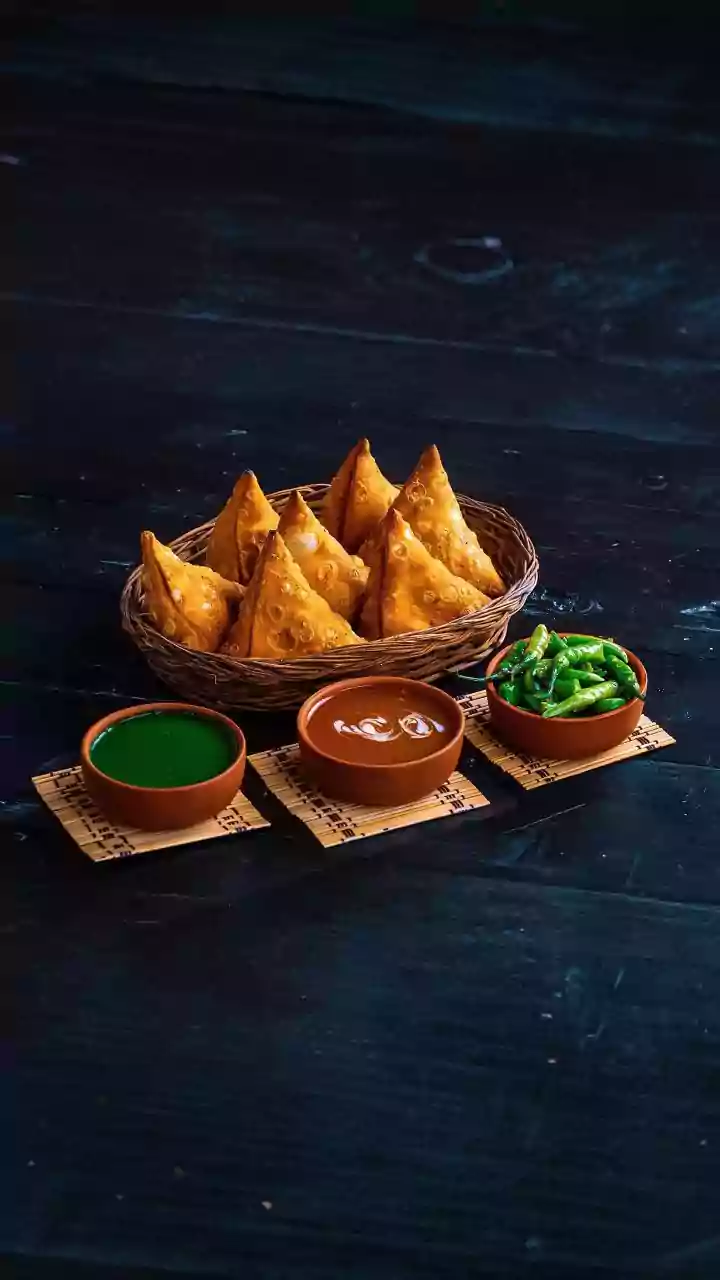
The good news is that tackling this waste can be both easy and delicious. Your refrigerator full of Diwali leftovers is a treasure trove of culinary potential. That box of soan papdi can be transformed into a creamy milkshake or crumbled to form the base of a unique cheesecake. Leftover motichoor ladoos can be layered with custard to create an elegant dessert parfait. Don't let savoury snacks go stale; crush leftover chakli or mathri to create a crunchy topping for salads or use them as a base for a quick-and-easy chaat. Even leftover puri or bhature can be cut into strips, baked until crisp, and served with a dip. The key is to think of these leftovers not as old food, but as pre-prepped ingredients for your next meal. This creative approach not only prevents waste but also saves you time and effort in the kitchen, a welcome bonus in the busy post-festival period.
Sharing the Abundance: Community Solutions
Sustainable living extends beyond our own homes and into our communities. If you have more leftovers than you can possibly consume, sharing is a powerful option. In many Indian metros, the concept of the community fridge has taken root, allowing individuals and restaurants to place excess, edible food in public refrigerators for anyone in need to take freely. Organisations like Feeding India and initiatives such as 'Ayyamittu Unn' in Chennai and Bengaluru have pioneered these efforts, creating a dignified way to redistribute surplus food and fight hunger. Beyond formal initiatives, the simple, traditional act of sharing with neighbours, building staff, or local security guards extends the festive spirit and ensures that good food nourishes people, not landfills. This fosters a sense of community and collective responsibility, which is the cornerstone of sustainable urban living.