







The Context: India's Protein Paradox
For decades, a significant portion of the Indian population has been protein-deficient, with studies showing intake is often lower than the recommended amount. [15, 24] Diets heavy on cereals can lack sufficient high-quality protein, which is vital for
everything from muscle repair to immune function. [11] This backdrop makes the recent surge in protein awareness seem like a positive step. However, this has also created a booming market for supplements and fortified foods, projected to reach over USD 1.5 billion by 2034. [13, 17] This commercial boom is where the obsession begins, blurring the line between meeting a nutritional need and overdoing it for a trend. [14]
Myth 1: More Protein Automatically Equals More Muscle
It’s a common belief in gyms and on social media: chugging a protein shake after a workout is the direct path to muscle growth. The reality is more nuanced. While protein is essential for muscle repair and synthesis, simply eating more of it without the right stimulus is ineffective. [21] Muscle growth is primarily triggered by resistance exercise, like lifting weights. [2] Your body can't store excess protein; once your needs are met, the surplus is either used for energy or, more commonly, stored as fat. [2] Studies have shown that for many people, consuming protein beyond the recommended amounts does not lead to significant gains in lean muscle mass. [19] In short, you can't build muscle by just eating for it—you have to work for it, too. [20]
Myth 2: You Need Supplements to Meet Your Daily Goal
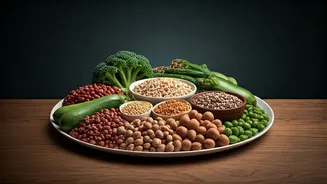
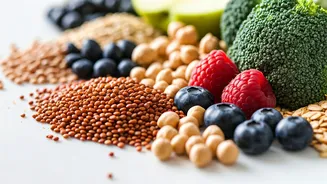
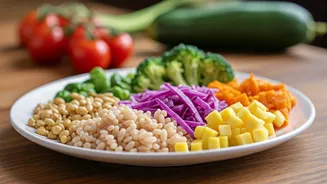
The Indian Council of Medical Research (ICMR) recommends about 0.83 grams of protein per kilogram of body weight for a healthy adult. [7, 11] For a 60 kg person, that's roughly 50 grams per day. This amount is achievable for most through a balanced diet. For example, a combination of moong dal chillas, rajma curry with rice, and a snack of roasted chana can provide a substantial amount of your daily protein. [7] While athletes or those with specific health goals may need more (around 1.2 to 1.7 g/kg), the average person does not necessarily require expensive powders and bars. [2, 9] Often, these processed products come with hidden downsides like added sugars, palm oil, and artificial sweeteners that can undermine your health goals. [18]
Myth 3: There Is No Such Thing as Too Much Protein
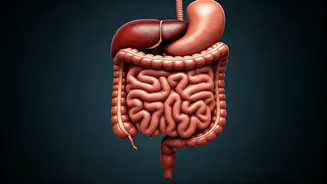
This is perhaps the most dangerous myth. Consistently consuming excessive amounts of protein—generally considered over 2 grams per kilogram of body weight for an average person—can pose health risks. [3] Overloading can put a strain on your kidneys, which have to work harder to filter out the waste products from protein metabolism. [6, 10] For individuals with pre-existing kidney conditions, this can be particularly harmful. [2] Furthermore, a diet extremely high in protein, especially from red and processed meats, has been linked to an increased risk of heart disease and other health issues. [3, 10] Other potential side effects include digestive problems, dehydration, and even unwanted weight gain as excess protein calories are stored as fat. [6]