
The Silent Burden on Your Joints
Our weight-bearing joints—primarily the hips, knees, and spine—are marvels of engineering, designed to support our bodies through a lifetime of movement. At the heart of this system is cartilage, the smooth, slippery tissue that cushions the ends of our bones,
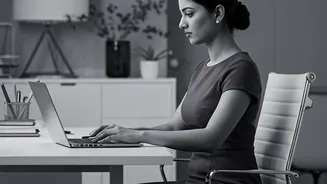
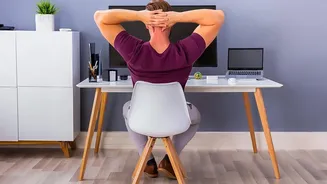
allowing them to glide seamlessly against one another. However, this cartilage has its limits. When subjected to excessive or uneven pressure, it can begin to wear down, a process that contributes to conditions like osteoarthritis. A sedentary lifestyle, common in office jobs, creates a perfect storm for joint strain. Prolonged sitting puts sustained pressure on these joints while also promoting poor posture, which throws the body's alignment out of whack. This forces our joints to bear loads in ways they weren't designed for, accelerating wear and tear over time.
Your Muscles: The Body's Shock Absorbers
This is where your muscles come in. Think of them as your body's personal, living suspension system. Their first critical role is to act as dynamic shock absorbers. When you walk, run, or even just stand up, your muscles contract to absorb a significant portion of the impact force before it can slam into your delicate cartilage and bones. Without this muscular buffer, the daily stress on your joints would be dramatically higher. Secondly, muscles provide crucial stability. The muscles surrounding your hips and knees, like the glutes and quadriceps, work in a coordinated fashion to hold the joints in proper alignment during movement. This prevents the kind of wobbly, unstable motion that can lead to excessive friction and long-term damage.
How Sitting Weakens Your Best Defenders
Unfortunately, a sedentary routine systematically dismantles this protective system. When you sit for hours, some of your most important stabilising muscles are placed in a shortened, inactive state. The hip flexors at the front of your hips become tight, while the powerful gluteal muscles in your buttocks become lengthened and weak. This imbalance can lead to a condition sometimes called 'gluteal amnesia' or 'dead butt syndrome', where the glutes essentially 'forget' how to fire properly. When these key muscles aren't doing their job, the body compensates. It forces smaller, less suitable muscles and even ligaments to take over the work of stabilisation, increasing the risk of strain and injury. The result is that your knees and hips are left without their primary defenders, making them more vulnerable to the stresses of everyday life.
Rebuilding Your Body's Natural Armour
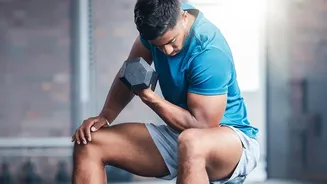
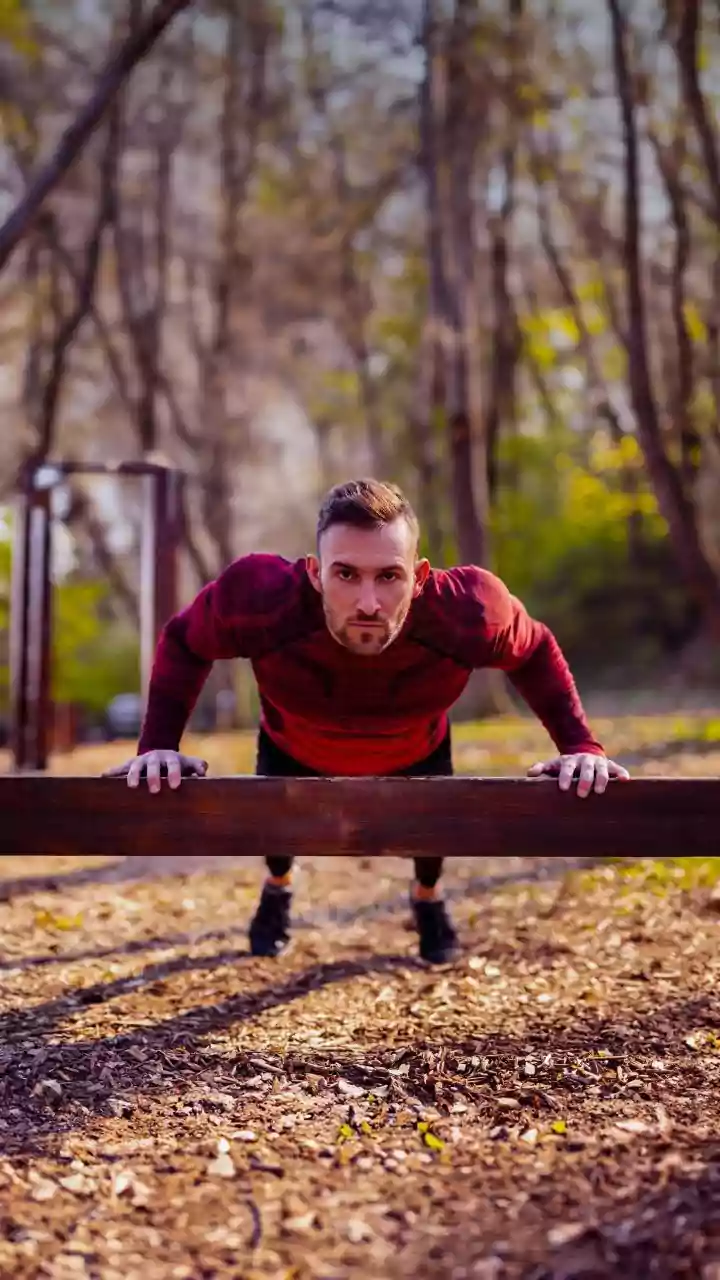
The solution is to reawaken and strengthen these dormant muscles. This isn't about becoming a bodybuilder; it's about building functional strength that translates to joint protection. The focus should be on compound exercises that recruit multiple muscle groups, particularly the glutes, core, and legs. Movements like squats, lunges, and glute bridges are incredibly effective. Squats, for instance, teach your glutes and quads to work together to control the knee and hip joints through a full range of motion. Glute bridges specifically target and activate the gluteal muscles, helping to counteract the effects of gluteal amnesia. A strong core is also non-negotiable, as it provides a stable base for all movements, taking pressure off the spine and lower-body joints.
Simple Strategies for a Stronger Frame
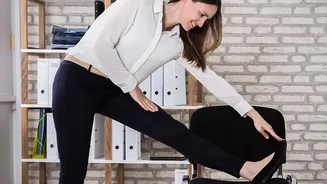
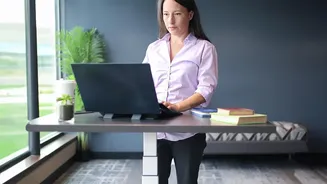
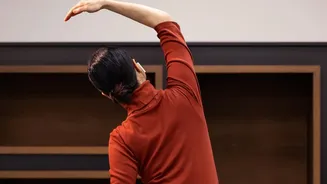
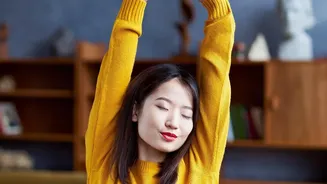
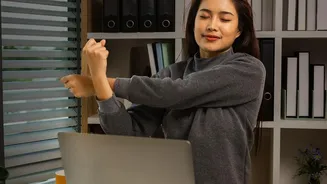
Integrating joint-protective habits into your workday doesn't require a complete lifestyle overhaul. The most important rule is to move more often. Set a timer to stand up, stretch, and walk around for a few minutes every hour. When you are sitting, be mindful of your posture. Try to sit with your feet flat on the floor and your back supported. You can even perform discreet exercises at your desk, like squeezing your glutes for 10 seconds at a time or doing gentle trunk rotations. Consider taking the stairs instead of the lift or going for a short walk during your lunch break. These small but consistent efforts help keep your muscles engaged and your joints lubricated, fighting the stiffening effects of a sedentary day.