



General Monsoon Gardening Care
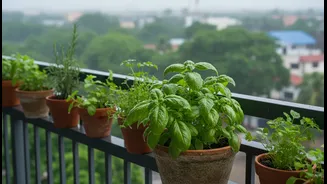
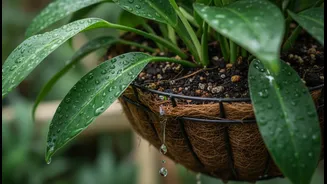
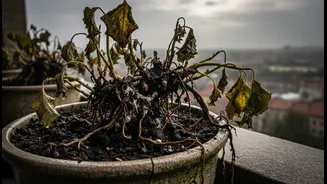
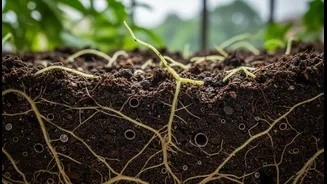
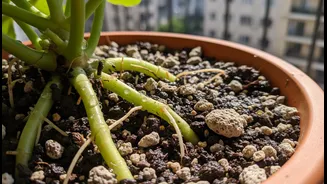
While the rainy season encourages rapid growth, it also presents challenges like waterlogging and pests. The key to a thriving monsoon garden is excellent drainage. Ensure all your pots have drainage holes to prevent roots from rotting. It’s also wise
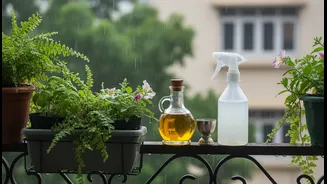
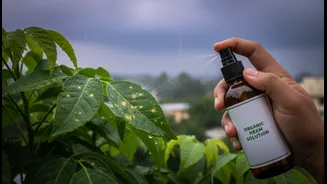
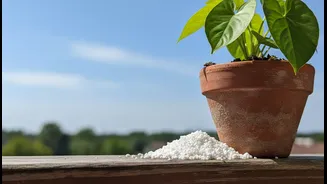
to reduce your watering schedule; only water when the top inch of soil feels dry. To prevent common fungal diseases that thrive in humidity, ensure good air circulation between plants and consider a preventive spray of diluted neem oil. Adding organic compost can replenish nutrients that heavy rains wash away.
Hibiscus
A quintessential tropical flower, the Hibiscus (Gudhal) bursts into even more vigorous bloom during the monsoon. Its large, colourful blossoms in shades of red, pink, orange, and yellow are a magnet for butterflies. This plant loves the moisture and humidity of the season but still requires well-drained soil and at least four to six hours of sunlight to flourish. Regular pruning will encourage a bushier shape and more flowers, making it a spectacular addition to any garden space.
Balsam
Known as Gulmehndi, Balsam is one of the easiest and most rewarding flowers to grow during the rainy season. It produces an abundance of delicate blooms that resemble small roses or camellias in shades of pink, purple, red, and white. Balsam thrives in moist soil and partial sunlight, making it ideal for balconies that don't get harsh, direct sun all day. The flowers appear from July through September, offering a continuous splash of colour throughout the wettest months.
Rain Lily
True to its name, the Rain Lily often springs to life almost overnight after a good shower. These charming, low-maintenance plants produce elegant, star-shaped flowers in white, pink, or sunny yellow. They are perfect for beginners and grow exceptionally well in pots, along garden borders, or even naturalised in a lawn. Their sudden appearance adds a touch of magic to the garden, celebrating the arrival of rain with a delicate floral display.
Jasmine
The fragrance of Jasmine (Mogra or Juhi) is deeply intertwined with Indian evenings, and its scent becomes even more potent in the cool, humid monsoon air. These climbing or bushy plants adore humidity and produce clusters of fragrant white flowers that are perfect for a sensory garden experience. Plant them near a window or on a balcony railing where their delightful perfume can drift indoors. They prefer well-drained soil and a spot with partial to full sunlight.
Marigold
Cheerful and hardy, Marigolds (Genda) are a staple in Indian households for good reason. Their bright orange and yellow pom-pom-like flowers bring a dose of sunshine to the greyest monsoon days. Marigolds are resilient plants that can withstand heavy rain and continue to bloom profusely. As a bonus, they are known to repel common garden pests, making them a useful companion plant for your other green friends. They are adaptable but do best in well-drained soil and full sun.
Lush Foliage Plants
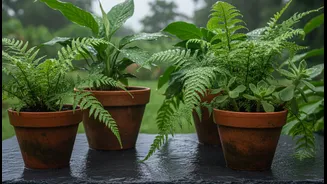
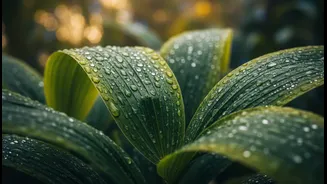
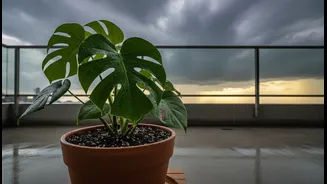
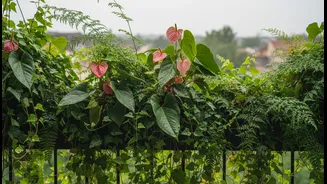
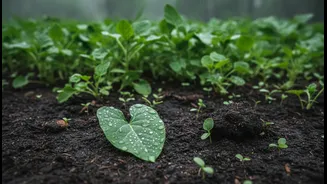
The monsoon isn't just for flowers. Many foliage plants experience a growth spurt during this time, creating a lush, jungle-like feel. Tropical plants like Colocasia, with its huge, dramatic heart-shaped leaves, thrive in rain-soaked areas. For balconies and indoor spaces, consider humidity-loving varieties like Philodendrons, Money Plants (Pothos), and Ferns. These plants appreciate the high moisture in the air and reward you with vibrant, rich green leaves that cleanse the air and soothe the soul.