

From Village Walls to Urban Living Rooms
Lippan kaam is a traditional mural art form originating from the Kutch region of Gujarat. For centuries, women from communities like the Rabari and Mutwa have decorated the inner and outer walls of their circular mud huts, known as 'bhungas', with this
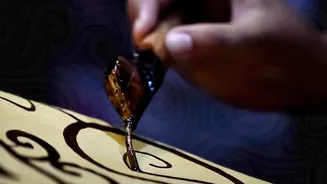
craft. The name itself comes from the Gujarati word 'lippan', meaning 'to apply' or 'smear'. Traditionally, artisans used a mixture of clay and camel or wild ass dung, sculpting intricate patterns by hand and embedding small mirrors (aabhla) into the wet mixture. This was not just for beauty; the mud acted as a natural insulator, keeping homes cool, while the mirrors would reflect the light from a single lamp, brightening the dark interiors.
The Modern Metamorphosis
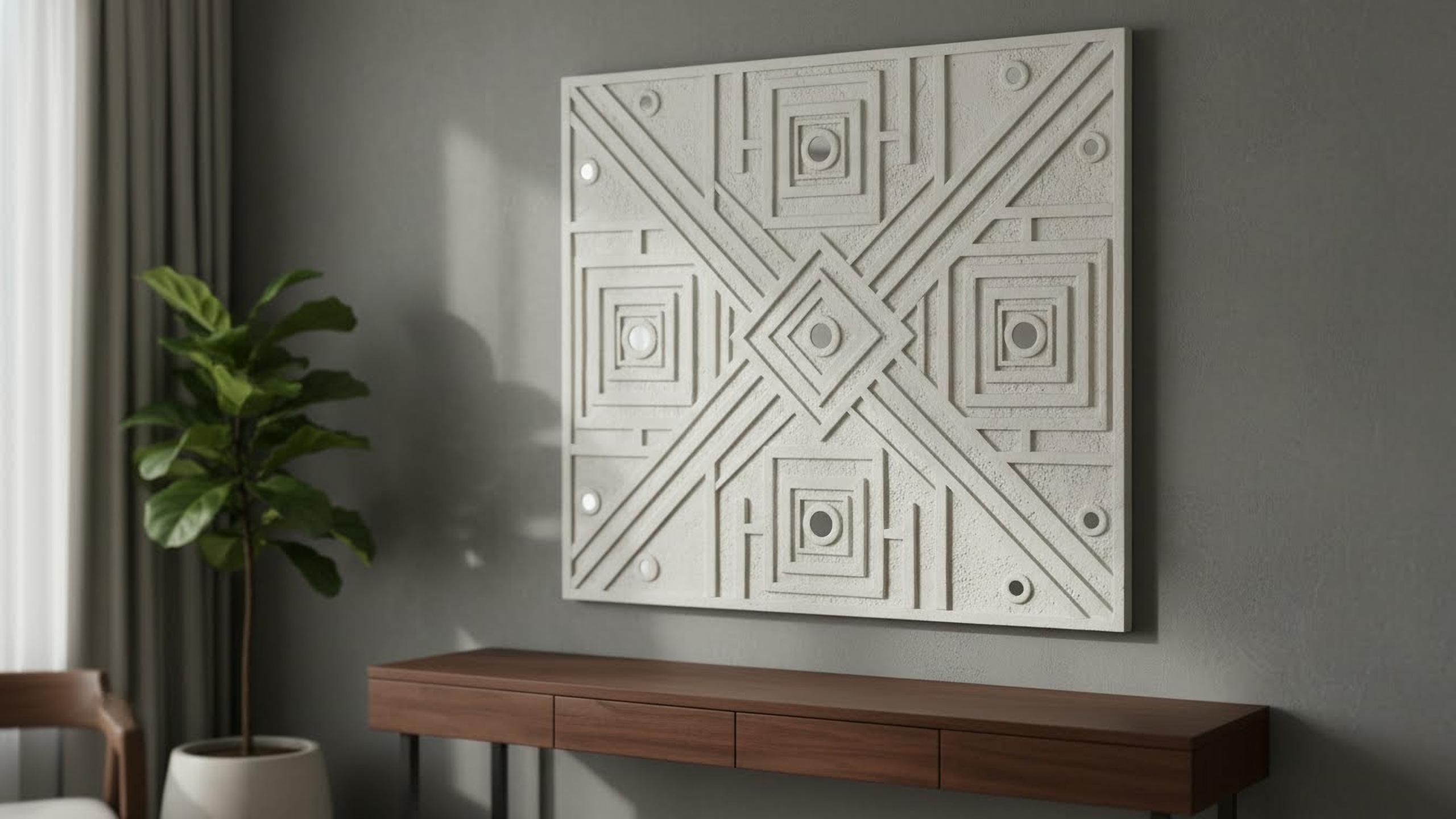
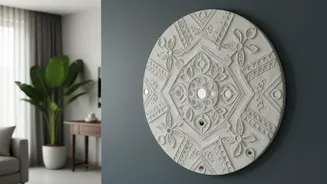
While the soul of Lippan art remains in Kutch, its form has evolved for the modern home. Instead of applying mud directly to walls, which is impractical for an apartment, artisans now create Lippan kaam on moveable panels. These are typically made from MDF boards or plywood, making them durable and portable. The traditional dung-and-clay mixture is often replaced with more stable materials like ceramic powder, chalk powder, or various clays mixed with adhesives, ensuring longevity and preventing cracking. This adaptation has allowed the craft to move beyond its geographical origins and become a celebrated element of contemporary interior design, found everywhere from boutique hotels to urban homes.
Defining 'Earthy Luxury'
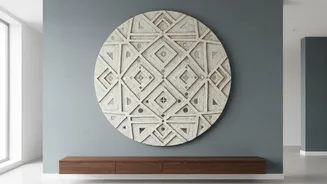
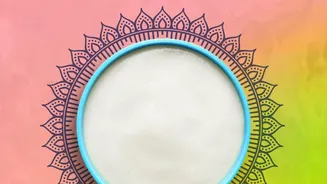
The phrase 'earthy luxury' perfectly captures the appeal of Lippan panels. The 'earthy' quality comes from the craft's humble origins and natural-feeling textures. The raised clay work, often left in its natural white or neutral state, provides a tactile, organic element that contrasts with the smooth, flat surfaces common in city apartments. The 'luxury' aspect is derived from the intricate, handcrafted nature of the work and the dazzling effect of the embedded mirrors. Each piece is unique, a testament to the artisan's skill. The play of light on the mirrors adds a dynamic, shimmering quality that feels opulent and sophisticated, transforming a simple wall into a focal point.
How Decorators Incorporate Lippan Panels
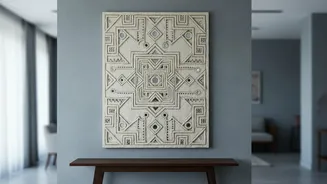
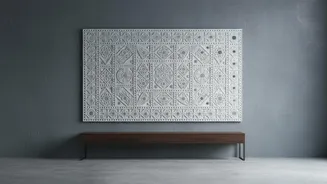
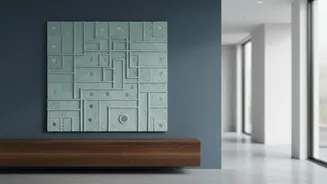
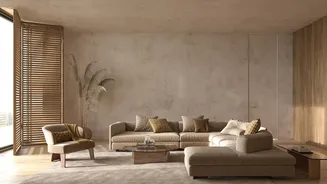
Interior designers are drawn to the versatility of Lippan art. A large, statement panel can serve as the centerpiece of a living room, hung above a sofa to create an immediate wow factor. In the bedroom, a wide horizontal panel can function as a stunning, one-of-a-kind headboard. Even smaller spaces benefit; a vertical panel in an entryway or a collection of smaller 12x12 inch pieces on a gallery wall adds cultural richness and texture. Decorators often use these panels to introduce pattern and heritage into minimalist or contemporary decor schemes. The traditional white-on-white panels are particularly popular for their ability to blend with various colour palettes while adding texture and interest.
Bringing a Piece of Heritage Home
For those inspired to add Lippan art to their own homes, there are more options than ever. Many platforms now sell authentic, handcrafted panels directly from artisans, ensuring you get a genuine piece while supporting the craft communities. When choosing a piece, consider the style of your room. Traditional motifs like peacocks, camels, and geometric patterns connect directly to the craft's roots. For a more modern look, many artists create contemporary or minimalist designs that focus purely on texture and geometric form. Regardless of the design, a Lippan art panel is more than just decoration; it's a piece of storytelling that brings warmth, history, and a touch of handmade luxury into your home.