




The Protein Power Principle
Before we dive into the 'what', let's understand the 'why'. When you lift weights or perform any resistance exercise, you create tiny micro-tears in your muscle fibres. Protein provides the essential amino acids needed to repair these tears, making the muscles
grow back bigger and stronger. For active individuals looking to build strength, the daily protein requirement is significantly higher than for a sedentary person, often falling in the range of 1.2 to 2.0 grams of protein per kilogram of body weight. The challenge for vegetarians isn't a lack of options, but a lack of planning. By focusing on high-quality protein sources, you can easily meet these needs and fuel your strength journey.
Lentils: The Humble Heavyweight
Lentils, or dal, are a cornerstone of Indian cuisine and a powerhouse of plant-based nutrition. A single cup of cooked lentils packs around 18 grams of protein, along with complex carbohydrates and dietary fibre. This combination is a massive advantage; the carbs provide the energy needed for intense workouts, while the fibre ensures slow and steady digestion, keeping you feeling full and energised for longer. While lentils on their own are not a 'complete' protein (meaning they don't contain all nine essential amino acids in optimal ratios), this is easily solved. Simply pairing them with a grain like rice or roti, as is traditional in most Indian meals, creates a complete protein profile that is just as effective as any animal source.
Paneer: The Classic Strength Staple
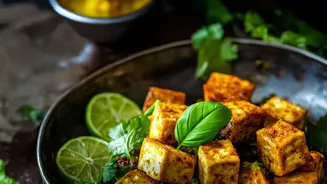
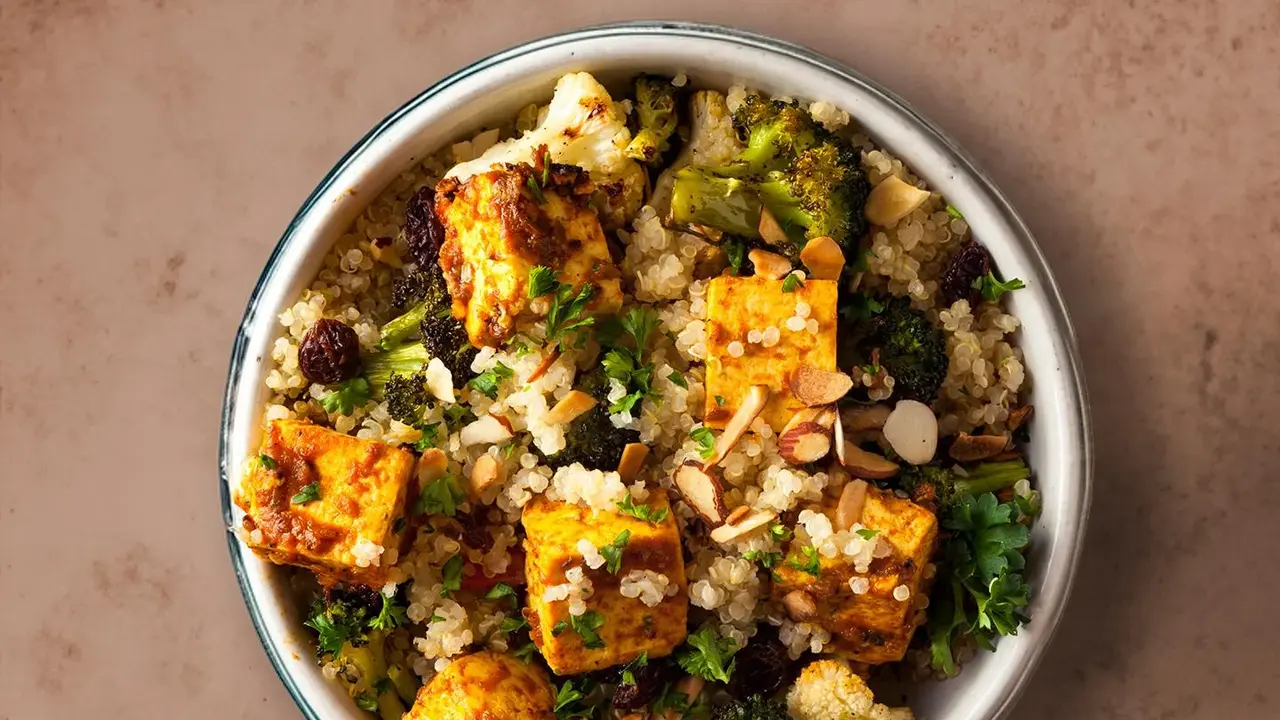
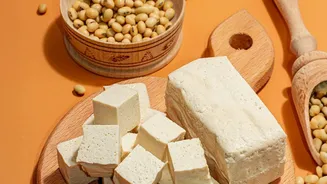
Paneer is often the first food that comes to mind for vegetarians seeking protein, and for good reason. A 100-gram serving of paneer can offer anywhere from 18 to 25 grams of high-quality protein, depending on the type of milk used. As a dairy product, it is considered a complete protein, containing all the essential amino acids your body needs for muscle repair. Paneer is particularly rich in casein, a slow-digesting protein. This makes it an excellent choice for a meal later in the day or after an evening workout, as it provides a sustained release of amino acids to your muscles overnight, aiding recovery while you sleep. While it is higher in fat compared to other sources, incorporating it into dishes like a simple stir-fry, bhurji, or tikka is an effective way to boost protein intake.
Tofu: The Versatile Muscle Builder
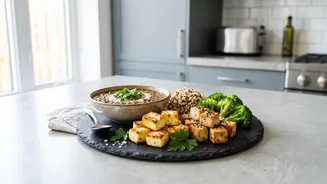
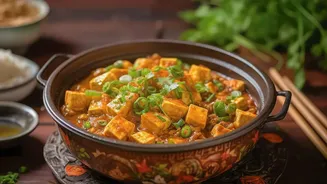
Tofu, made from soybeans, is another exceptional protein source and a fantastic, dairy-free alternative to paneer. Unlike many plant foods, soy is a complete protein, making tofu a powerful tool for muscle building. A 100-gram serving of firm tofu provides around 8 to 17 grams of protein, but with significantly fewer calories and less fat than full-fat paneer. This makes it an ideal choice for those looking to build lean muscle while managing their overall calorie intake. Tofu's neutral taste is its greatest strength; it’s a blank canvas that readily absorbs the flavours of marinades, spices, and sauces. You can crumble it into a scramble, cube it for a stir-fry, or blend it into a smoothie to easily increase your meal's protein content.
Putting It All Together for Fast Results
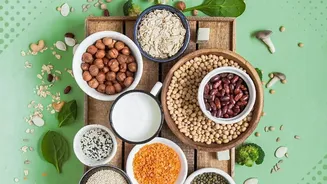
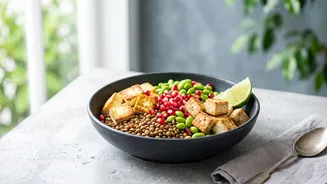
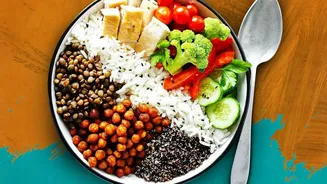
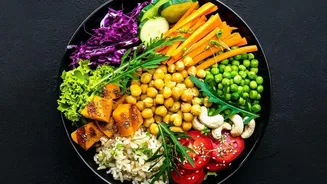
Building strength efficiently isn't just about eating these foods—it's about combining them smartly. Your body needs carbohydrates to fuel your workouts and protein to repair your muscles afterwards. Aim for meals that balance these macronutrients. For example, a post-workout meal could be paneer or tofu bhurji with whole-wheat roti, or a hearty bowl of dal with brown rice. Don't be afraid to mix and match. A meal featuring both lentils and cubes of tofu can deliver a diverse range of nutrients and a significant protein punch. To complement these staples, incorporate other protein-rich vegetarian foods like chickpeas (chana), kidney beans (rajma), Greek yogurt (hung curd), nuts, and seeds into your daily diet to ensure you're getting a wide array of nutrients.