





What is the SOLVE Test?
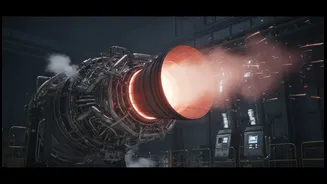
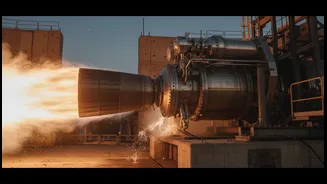
On July 3, 2026, the Indian Space Research Organisation (ISRO) successfully conducted the first ground test of a solid motor for a new vehicle. The name of this vehicle, which has caught the attention of space-watchers, is SOLVE, an acronym for Sub-Orbital
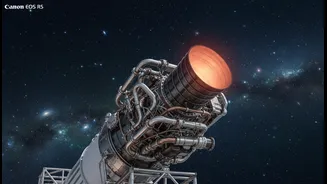
Launch Vehicle for Experiments. This wasn't a full rocket launch, but a crucial static fire test at the Satish Dhawan Space Centre in Sriharikota, where the motor was fired while fixed to the ground. ISRO confirmed that all performance parameters during the test were as expected, marking a successful start for the new platform.
A Key Piece of the Gaganyaan Puzzle
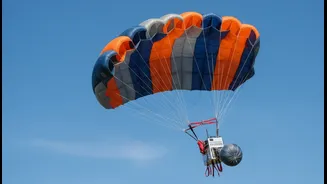
The SOLVE vehicle isn't designed to put satellites into orbit. Instead, it has a very specific and vital purpose: to serve as a test platform for India's ambitious Gaganyaan human spaceflight mission. The Gaganyaan program aims to send a crew of three astronauts into an orbit of 400 km for a three-day mission and bring them back safely to Earth. One of the most critical phases of this return journey is the deceleration and landing. SOLVE is being developed specifically to test the parachute system of the Gaganyaan Crew Module under various flight conditions.
How the Tests Will Work
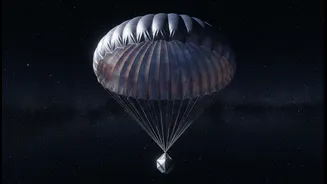
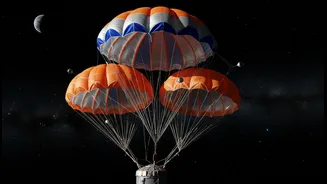
In future missions, the SOLVE vehicle will carry a dummy Crew Module to an altitude of between 10 and 17 kilometres. Once it reaches the target altitude, the module will separate from the rocket. From there, a complex sequence of 10 parachutes will deploy to slow the module's descent before it splashes down safely in the sea. Using a cost-effective, sub-orbital vehicle like SOLVE allows ISRO to repeatedly test this critical recovery system under realistic conditions without the expense and complexity of a full orbital launch. This ensures the system is thoroughly validated and reliable enough to carry human astronauts.
Built on a Proven Foundation
To create SOLVE, ISRO engineers cleverly adapted existing technology. The solid stage of the vehicle is derived from the strap-on motors used on India's workhorse rocket, the Polar Satellite Launch Vehicle (PSLV). These are the smaller rockets attached to the main stage of a PSLV to provide extra thrust at liftoff. However, several modifications were made for SOLVE's specific mission requirements. These include developing a slower-burning propellant and using a straight nozzle with a Secondary Injection Thrust Vector Control system for stability and precise trajectory control.
Why This Milestone Matters
While a static motor test might not seem as dramatic as a full launch, it is a fundamental step in building confidence for the Gaganyaan mission. Every successful test of a component like the SOLVE motor brings India closer to achieving its goal of indigenous human spaceflight capability. The development of this dedicated test platform gives ISRO greater flexibility to simulate various mission scenarios and rigorously test the crew's deceleration and landing systems. For the space enthusiasts tracking every development, the SOLVE test is a welcome sign of steady progress on a program that will define the next chapter of India's journey in space.