






The Post-Wedding Wind-Down
Indian weddings are glorious, vibrant celebrations, but they are also marathons of planning, socialising, and emotional highs. It’s no surprise that many couples feel a sense of depletion afterwards. This post-nuptial slump is real. While a typical honeymoon
involves sightseeing and adventure, it doesn’t always address the underlying need to de-stress and process the monumental life change you’ve just experienced. This is where a therapeutic retreat comes in. It’s a space designed not just for romance, but for recovery. The goal isn't to fill your days with activities, but to empty your mind of stress, allowing you to start your married life from a place of calm, balance, and genuine connection.
What Defines a 'Therapeutic' Retreat?
The word 'therapeutic' elevates the experience beyond a standard hotel spa. Unlike a resort where you might book an à la carte massage, a therapeutic retreat is an immersive programme. It’s a holistic ecosystem focused on well-being. Think of it as a wellness journey you embark on together. Key elements often include an initial consultation with a wellness expert or an Ayurvedic doctor to assess your physical and emotional state. Based on this, a personalised schedule of treatments, meals, and activities is created. The environment itself is part of the therapy—serene locations, away from urban chaos, designed to promote peace and introspection. The focus is less on fleeting pampering and more on providing you with lasting tools for well-being.
The Power of Personalization
No two couples are the same, and a personalized retreat acknowledges this. The customisation begins the moment you arrive. For instance, in an Ayurvedic retreat, you and your partner might have your 'doshas' (Vata, Pitta, Kapha) assessed. Your treatments, diet, and even the type of yoga you practice will be tailored to bring your specific constitutions into balance. If one partner is dealing with burnout and the other with anxiety, the therapies can be adjusted accordingly. Personalization also extends to your goals as a couple. Do you want to improve communication? A guided meditation or a private workshop might be recommended. Do you simply need to relax in each other's company? A schedule filled with synchronised massages and quiet time will be crafted. This bespoke approach ensures you’re not just getting a generic spa package, but a meaningful experience designed for your unique needs.
Treatments That Heal and Connect
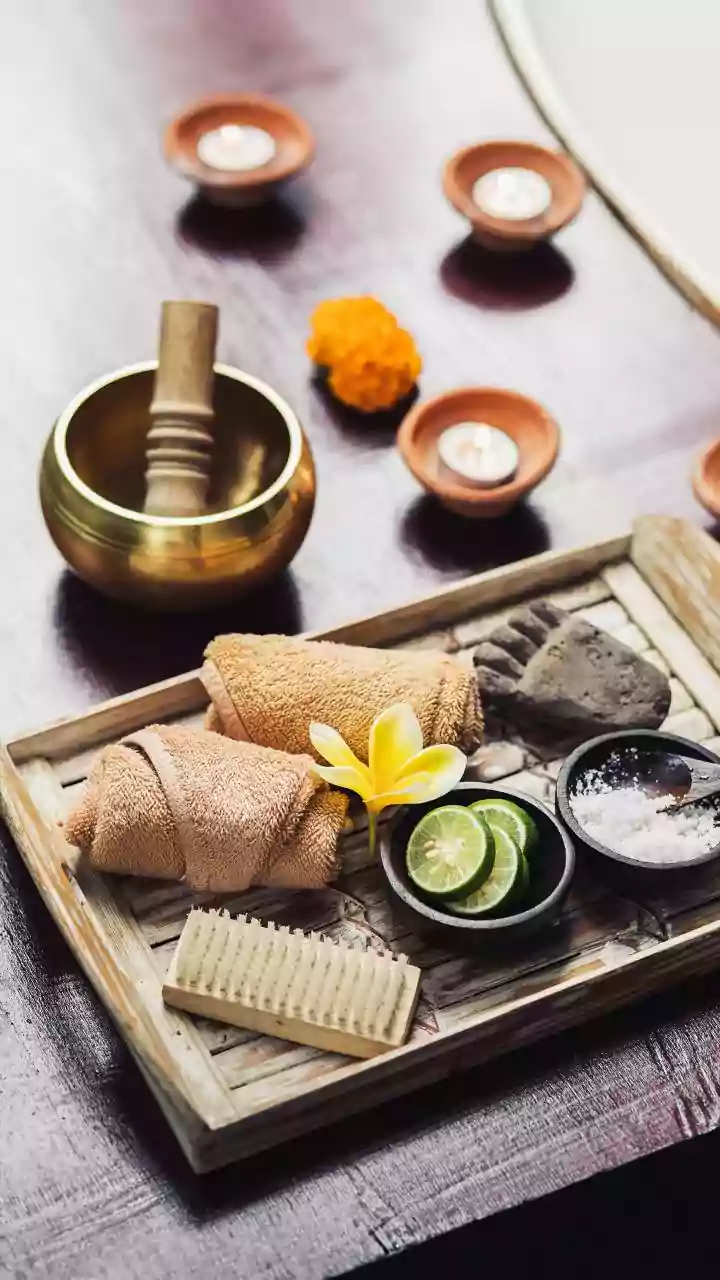
The menu of treatments at these retreats goes far beyond a simple facial or foot rub. You’ll find therapies designed to work on a deeper level. Synchronised Abhyanga, where two therapists massage you in unison using warm herbal oils, is a profoundly relaxing experience that fosters a sense of shared peace. Hydrotherapy circuits, involving saunas, steam rooms, and cold plunges, help detoxify the body and invigorate the senses. Many retreats offer private yoga and pranayama (breathing exercises) sessions, teaching you techniques you can practice together long after you leave. Couples’ meditation sessions can provide a powerful, non-verbal way to connect. The focus is on shared experiences that calm the nervous system and strengthen your bond without the pressure of conversation.
Choosing the Right Retreat for You
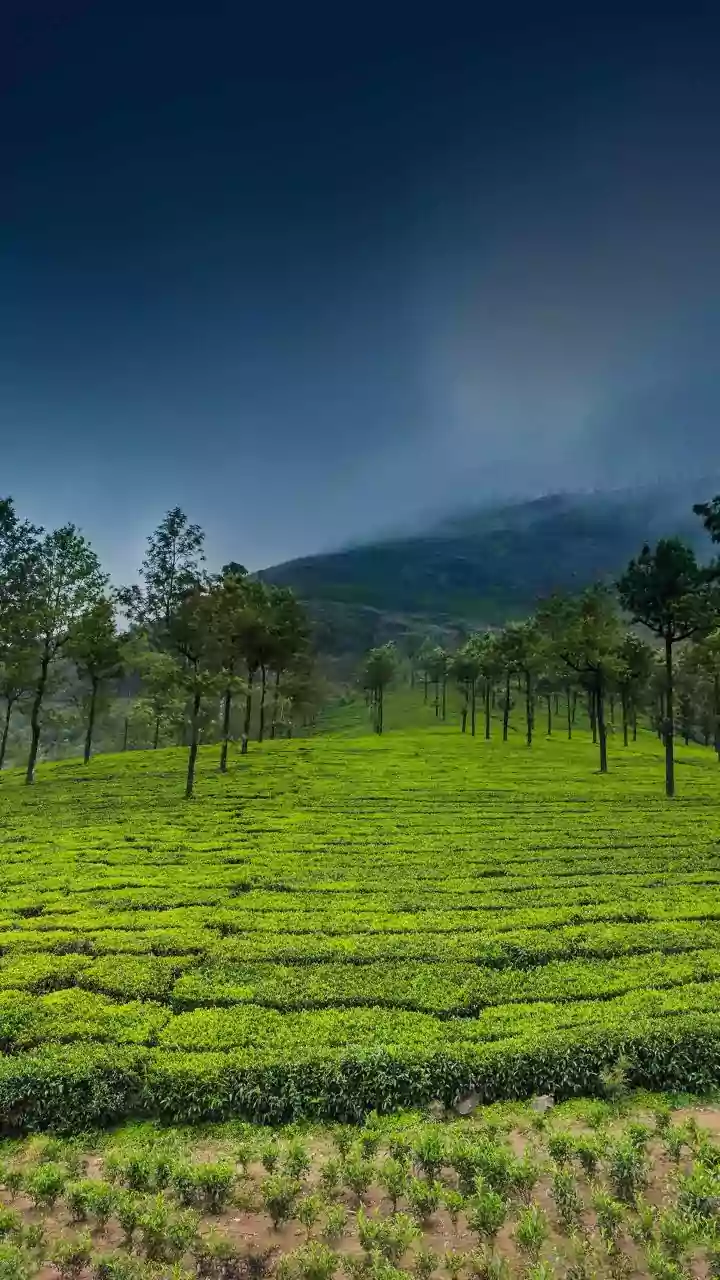
India is home to some of the world's finest wellness retreats, so choosing one can feel overwhelming. Start by considering the environment that calms you most. Do you envision yourselves in the serene Himalayas, overlooking the tranquil backwaters of Kerala, or by a peaceful coastline? Next, think about the wellness philosophy that resonates with you. Are you drawn to the ancient wisdom of Ayurveda, the principles of naturopathy, or a more modern approach combining fitness and mindfulness? Look at the length and structure of the programmes. Some offer intensive 3-day resets, while others provide deeper 7- or 14-day journeys. Finally, be realistic about your budget. These retreats are an investment, but the returns—in terms of health, peace, and a stronger marital foundation—are invaluable.