

The Power of a Sizzle
In kitchens across India, it is a sound that signals the soul of a dish is coming to life: the sizzle of whole spices hitting hot oil or ghee. This technique, known as 'tadka', 'chaunk', or tempering, is a foundational element of Indian cuisine. It’s
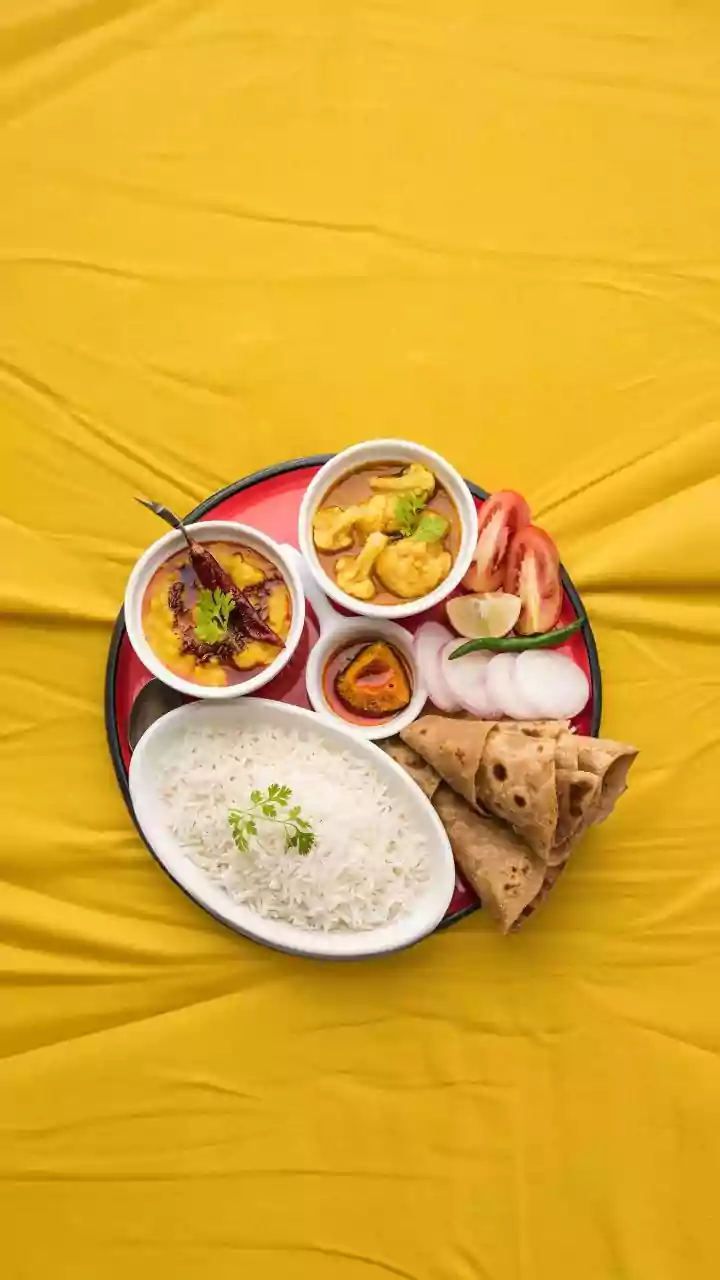
more than just a step in a recipe; it's a controlled chemical reaction designed to build layers of flavour and aroma that cannot be achieved by simply stirring dry powders into a liquid. Whether poured over a finished dal to provide a final flourish of flavour or used at the beginning of a 'sabzi' to create a robust base, this centuries-old practice is the secret to unlocking the full potential of spices, turning simple ingredients into something profoundly delicious and aromatic.
Unlocking Essential Oils
So, what is happening in that pan? Spices like cumin seeds, mustard seeds, and cinnamon bark contain volatile aromatic compounds and essential oils, which are responsible for their unique scent and taste. These compounds are trapped within the tough cellular structure of the plant material. When spices are introduced to hot fat, the heat works to break down these cell walls, releasing the oils. Crucially, most of these flavourful compounds are fat-soluble, not water-soluble. This means they dissolve beautifully in oil or ghee, which then acts as a perfect carrier, distributing the extracted flavours evenly throughout the entire dish. If you were to add the same spices to water, many of these potent aromatic notes would never be released, resulting in a comparatively flat and one-dimensional taste.
The Chemistry of Flavour
The transformation goes even deeper than simply releasing trapped oils. The high heat of the oil triggers complex chemical reactions that create new flavour dimensions. For instance, the gentle browning of spices like cumin or coriander involves Maillard-type reactions, similar to searing meat, which creates a toasty, nutty depth. This process smooths out any raw, sharp, or bitter notes in the spices and replaces them with a more rounded, complex character. The high temperature is essential; it must be hot enough to make mustard seeds pop, a sign that their internal structure has ruptured to release their characteristic pungent compounds. This rapid, high-heat infusion is a far more efficient way to extract flavour than letting spices simmer for a long time in a sauce.
More Than Just Taste
The term 'healing flavours' connects to principles found in Ayurveda, where spices are valued not just for taste but for their impact on the body. From this perspective, heating spices in fat like ghee is believed to make their beneficial properties more accessible. Modern science supports a part of this ancient wisdom through the concept of bioavailability. Many beneficial compounds in spices, such as the curcumin in turmeric, are fat-soluble. Consuming them with a fat helps the body to absorb them more effectively. Spices like ginger, cumin, and asafoetida (hing) have traditionally been used to aid digestion, and tempering is seen as the method to 'activate' these properties. So, while a bowl of dal is comforting on its own, a well-made tadka may also make its nutrients easier for the body to utilize.
A Practical Guide to Tempering
Mastering tadka requires your full attention, but it is a simple process. First, have all your ingredients ready, as the process is very fast. Heat your oil or ghee in a small pan over medium heat; it should be shimmering but not smoking. Add whole spices first, as they take longer to release their oils. Mustard or cumin seeds are often added first; wait for them to pop or sizzle, which takes about 30 seconds. Next, add items like dried chillies or curry leaves, followed by aromatic vegetables like garlic or ginger if you're using them. Ground spices like turmeric or asafoetida go in last, as they can burn in seconds. Stir them for just a moment until the raw smell is gone, and then immediately pour the entire mixture into your main dish. The dramatic sizzle as the hot oil hits the cooler food is the final release of aroma, ensuring the flavour permeates everything.