






Plan Your Itinerary Wisely
Success during monsoon travel begins with smart planning. Before booking anything, research your destination's specific weather patterns. Some regions experience intense downpours leading to floods and landslides, while others see more manageable drizzles.
Consider destinations less prone to severe weather or those with ample indoor attractions. Building buffer days into your schedule is crucial. Transport delays are common, so having an extra day or two prevents a missed flight or a frantic rush. It's also wise to book accommodations that are centrally located and not in low-lying, flood-prone areas. An in-house restaurant can be a lifesaver when heavy rain makes it impossible to venture out.
Book Transport with Flexibility
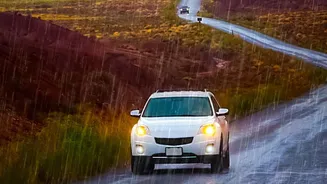
When it comes to flights, mornings are your best bet. Thunderstorms and heavy showers tend to build up in the afternoon and evening, meaning early flights are less likely to be delayed or cancelled. Avoid booking tight connecting flights; a buffer of at least three to four hours is recommended during this season. For road travel, check conditions before you leave. Driving at night is best avoided due to poor visibility and hidden potholes. If you must drive, ensure your vehicle is serviced, especially the tyres, brakes, and wipers. Slow down, maintain a safe distance from other vehicles, and never attempt to drive through heavily waterlogged streets.
Pack Smart, Not Heavy
Your packing list can make or break a monsoon trip. Leave the jeans and heavy cottons at home; they take ages to dry in the humid air. Instead, opt for lightweight, synthetic, and quick-drying clothes like polyester blends. Knee-length trousers can save you from muddy hems. A sturdy, windproof umbrella and a lightweight waterproof jacket are non-negotiable. For footwear, waterproof sandals with a good grip are ideal for walking on slippery surfaces. Avoid leather or canvas shoes that get ruined in water. Finally, everything should go into a waterproof backpack or a bag protected by a durable rain cover to keep your belongings dry.
Waterproof Your Electronics and Essentials
Water and electronics don't mix. Protecting your gadgets is a top priority. Use waterproof pouches or zip-lock bags for your phone, camera, passport, and other important documents. It’s a simple step that can prevent costly damage. Tossing a few silica gel packets into your electronics bag can also help absorb excess moisture. It is also smart to carry a power bank, as power cuts can be more frequent during stormy weather, ensuring your devices stay charged when you need them most for updates and communication.
Prioritise Your Health and Safety
The monsoon season sees a rise in waterborne and mosquito-borne diseases like dengue and malaria. Be vigilant about your health. Drink only bottled or purified water and avoid street food, especially items that may have been washed with contaminated water. Opt for hot, freshly cooked meals. Carry a powerful insect repellent and apply it generously, particularly in the evenings and in rural or coastal areas. It’s also wise to pack a basic first-aid kit with essentials like antiseptic wipes, bandages, and any personal medications you need. Never walk through stagnant water, as it can be a breeding ground for bacteria and hide dangers like open manholes.