






Corn (Bhutta): The Ultimate Monsoon Icon
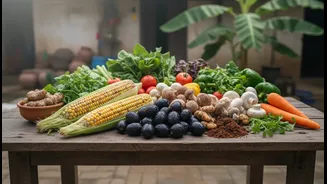
No Indian monsoon experience is complete without 'bhutta'. Whether it's roasted over hot coals by a street vendor and rubbed with lemon, salt, and chilli, or boiled and enjoyed at home, corn is the quintessential rainy-day snack. The natural sweetness
of the kernels provides a perfect contrast to the smoky and tangy spices. For a more elaborate meal, corn kernels can be used to make crispy pakoras, added to vegetable biryani for texture, or transformed into a comforting sweet corn soup. Its versatility makes it a staple for a reason.
Gourds Galore: Lauki, Turai, and Karela
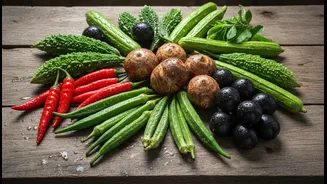
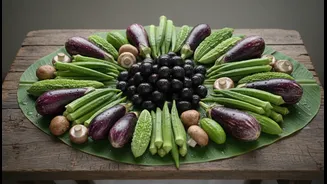
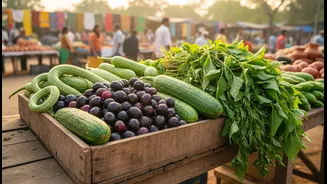
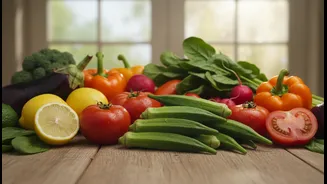
The monsoon brings a variety of gourds, which are lauded in traditional Indian dietetics for being light and easy to digest. Bottle gourd (lauki), ridge gourd (turai), and pointed gourd (parwal) are particularly abundant. While often considered humble, these vegetables shine in monsoon cooking. Lauki is excellent for hydrating, light curries or can be added to dals. Turai's spongy texture soaks up spices beautifully in a simple stir-fry. Even the much-debated bitter gourd (karela) has its moment, often stir-fried until crisp to temper its bitterness, a flavour profile many find particularly appealing during this season.
Jamun and Plums: The Jewels of the Season
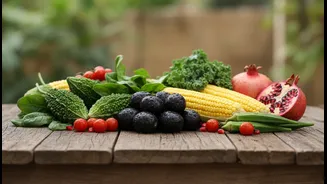
Among fruits, the deep-purple Jamun (Java plum) is a monsoon highlight. Its unique sweet, sour, and astringent taste is eagerly awaited. Beyond being eaten fresh with a sprinkle of black salt, jamun can be blended into smoothies or made into tangy sauces. Plums also make their appearance, their tartness lending itself perfectly to chutneys, jams, and even desserts that give a new twist to the traditional plum cake. These fruits are not just delicious but are also packed with vitamins and antioxidants, which are beneficial during a season when immunity can be a concern.
Okra (Bhindi): A Crispy Favourite
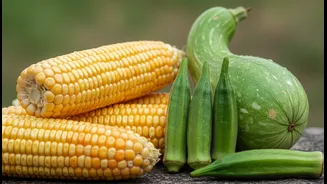
Okra, or bhindi, is a popular vegetable year-round, but it is considered a safe and healthy choice during the monsoon. Its susceptibility to becoming slimy is easily countered by ensuring it is completely dry before cooking. A simple 'bhindi masala' with onions and tomatoes is a North Indian staple, offering satisfying textures and flavours. For a crispier take, sliced okra can be shallow-fried with spices until it resembles 'kurkuri bhindi,' an addictive side dish that pairs wonderfully with dal and rice. It can also be cooked in a poppy seed paste for a distinct Bengali flavour.
Leafy Greens: A Note of Caution and Care
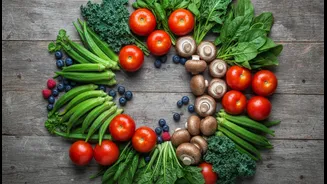
While leafy greens are nutritional powerhouses, the monsoon calls for extra caution. The high humidity can make them prone to carrying more grit and microbes. However, with proper care, they can still be enjoyed. Vegetables like spinach (palak), fenugreek (methi), and amaranth leaves (chaulai) are excellent sources of iron and help fight monsoon fatigue. It is crucial to wash them thoroughly, preferably in warm water with a bit of salt or vinegar, and to cook them well instead of eating them raw in salads. A classic Palak Paneer or a simple dal with methi are excellent ways to incorporate them safely into your rainy-day diet.
The Classic Pakora: An Ode to Deep-Fried Joy
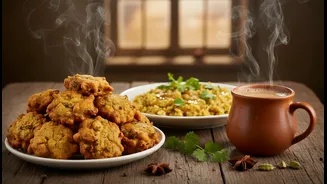
Finally, no list of monsoon foods is complete without mentioning the pakora. These deep-fried fritters, with their crispy gram flour coating, are the ultimate indulgence when it's pouring outside. While onion and potato are the classic fillings, the monsoon harvest invites experimentation. Think spinach, cauliflower, or even minced gourd pakoras. Paired with a tangy mint chutney and a steaming cup of masala chai, it’s more than a snack; it’s a cultural ritual that defines the comfort and joy of the Indian monsoon.