



A Vital, but Vulnerable, Lifeline
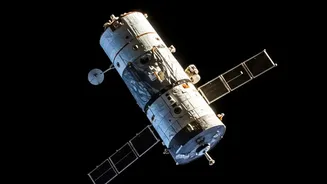
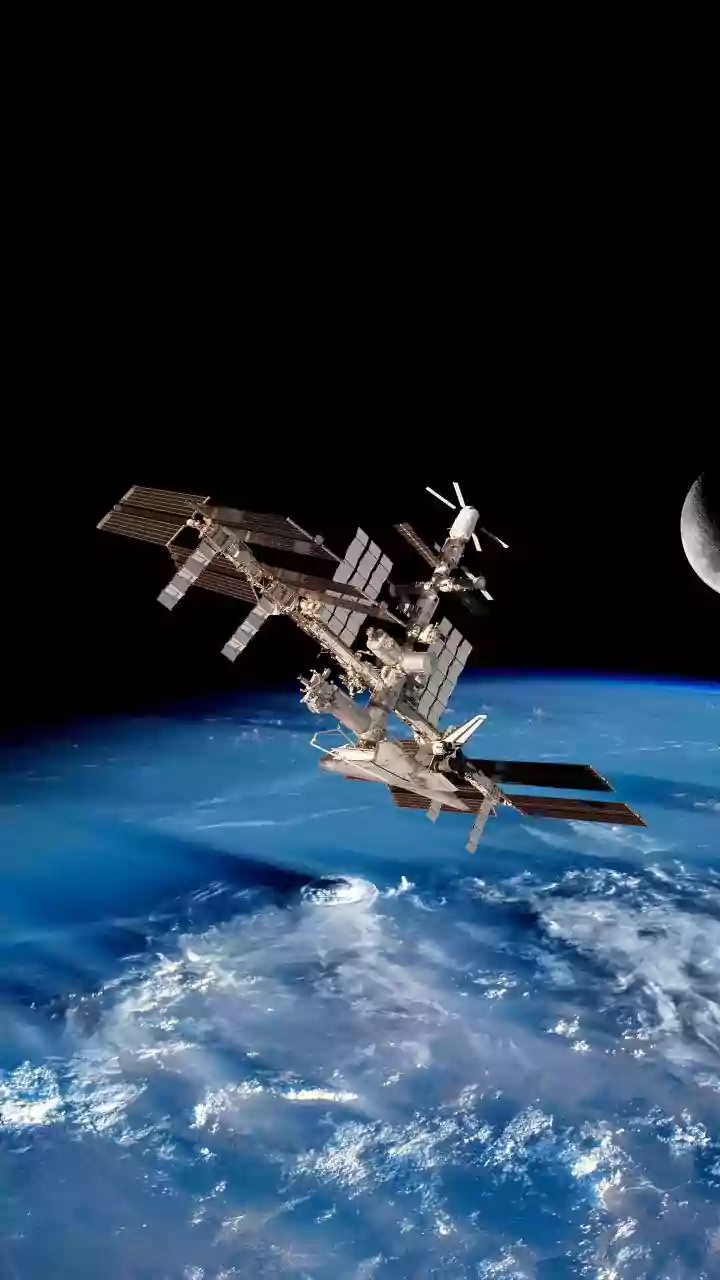
The International Space Station (ISS) is a marvel of engineering, but it's essentially an outpost in a vast wilderness. Its connection to Earth is maintained by a complex network of communication systems, including the S-band antennas. These systems are
crucial, relaying everything from low-rate voice communications to essential station data and telemetry back to Mission Control in Houston. The specific component that failed was a Space-to-Ground Antenna (SGANT), one of a pair that ensures redundant, high-speed communication via NASA's Tracking and Data Relay Satellite System. When one of these systems malfunctioned last November, ceasing its ability to track relay satellites, the station's communication became less resilient. While a second antenna kept data flowing, restoring full capability was a high priority for NASA to ensure operational safety and redundancy.
An International Repair Team
The task of fixing the antenna fell to NASA astronaut Anil Menon and European Space Agency (ESA) astronaut Sophie Adenot. The repair required not one, but two separate Extravehicular Activities (EVAs), the technical term for a spacewalk. During their first excursion on August 18, the pair successfully removed the faulty antenna. However, the work proved more challenging than anticipated; disconnecting stubborn electrical cables and loosening bolts took longer than planned, leaving no time to install the replacement. Adenot made history during this first EVA, becoming the first French woman ever to perform a spacewalk. The team secured the failed unit to the station's truss and prepared for a second attempt to finish the job.
A High-Stakes Spacewalk
On Tuesday, August 25, Menon and Adenot ventured outside the station's Quest airlock for a second time. The carefully choreographed operation, which lasted approximately six and a half hours, was broadcast live by NASA. With Menon secured to the end of the Canadarm2 robotic arm and Adenot moving by handrails, the astronauts retrieved the spare antenna from an external storage platform. They then maneuvered the new hardware to the Z-1 truss, mounted it, and painstakingly connected the power and data cables that had been so troublesome on the first spacewalk. The entire procedure was a delicate dance in the vacuum of space, requiring immense precision and constant communication with the ground team.
Mission Success and a Musical Sign-Off
Just after six hours of work, initial tests confirmed the replacement had been successful. Mission Control confirmed the good news with a celebratory, and musical, message. Astronaut Anne McClain, serving as CAPCOM in Houston, parodied the 1979 hit song "Video Killed the Radio Star," singing, "You just saved the video dish!" The successful installation during the 283rd spacewalk in support of the ISS restored full redundancy to the station's S-band communication system. For Menon, it was his third career spacewalk, while for Adenot, it was her second. The faulty antenna, meanwhile, was moved to a more permanent storage location outside the station.