

What Exactly Is Shokupan?
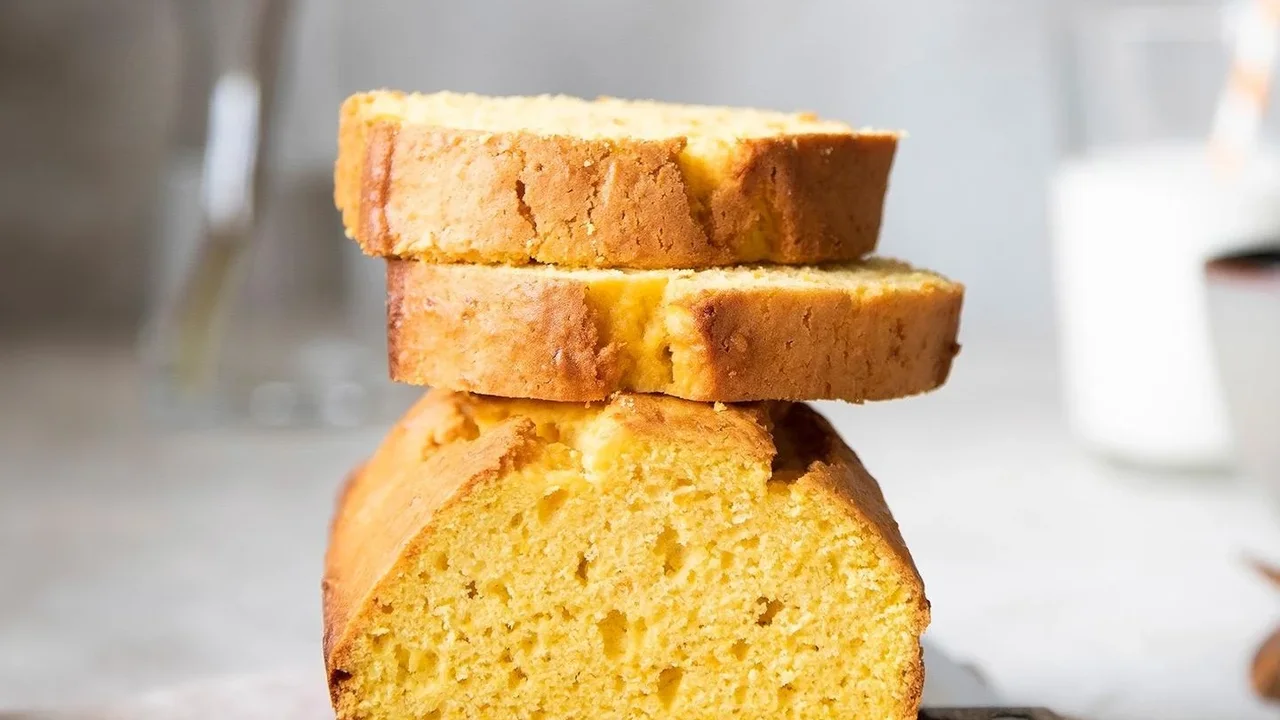
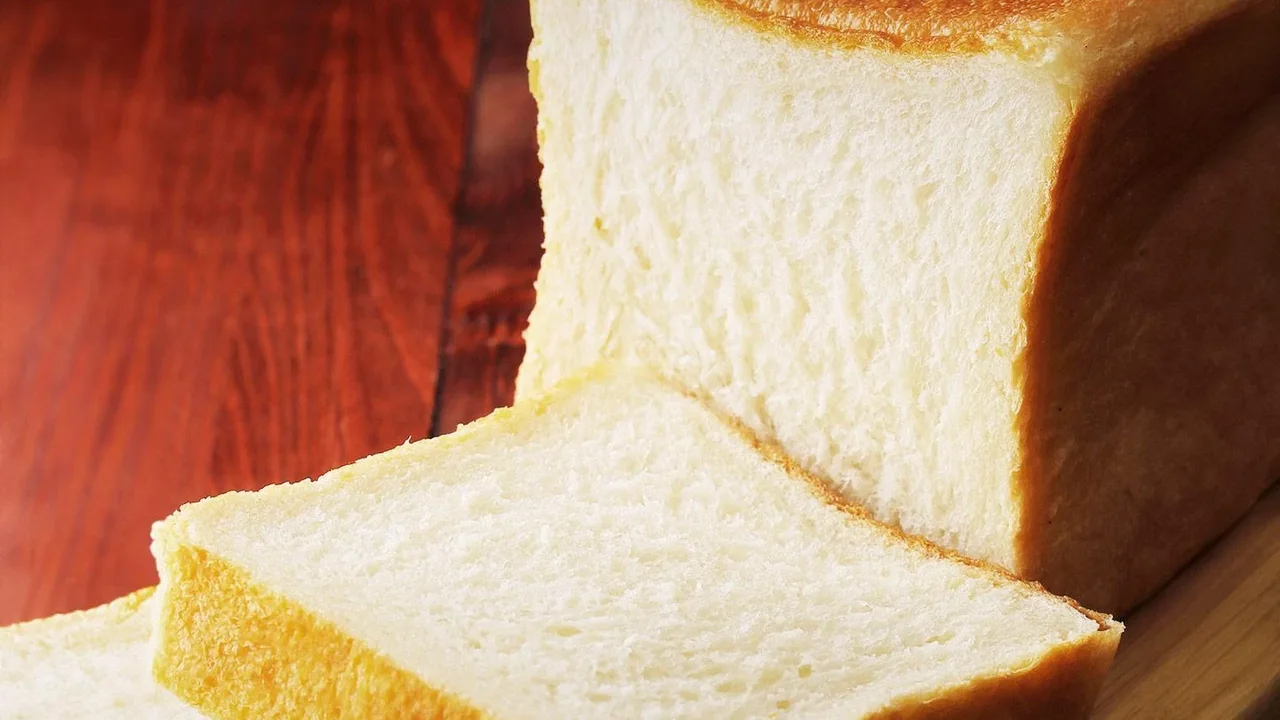
Shokupan, which translates to “food bread,” is Japan's version of everyday white bread, but it's a world away from a standard sandwich loaf. It’s known for its impossibly soft, pillowy texture, a delicate, milky flavour, and a thin, tender crust. Typically
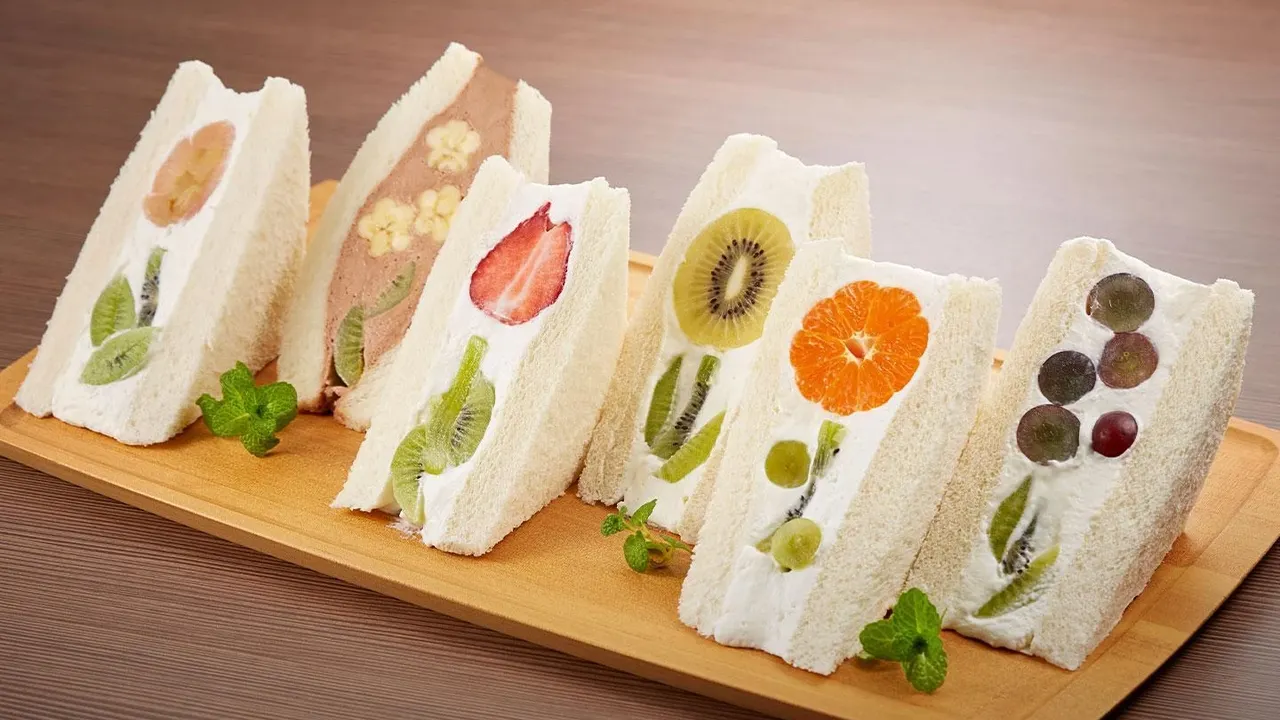
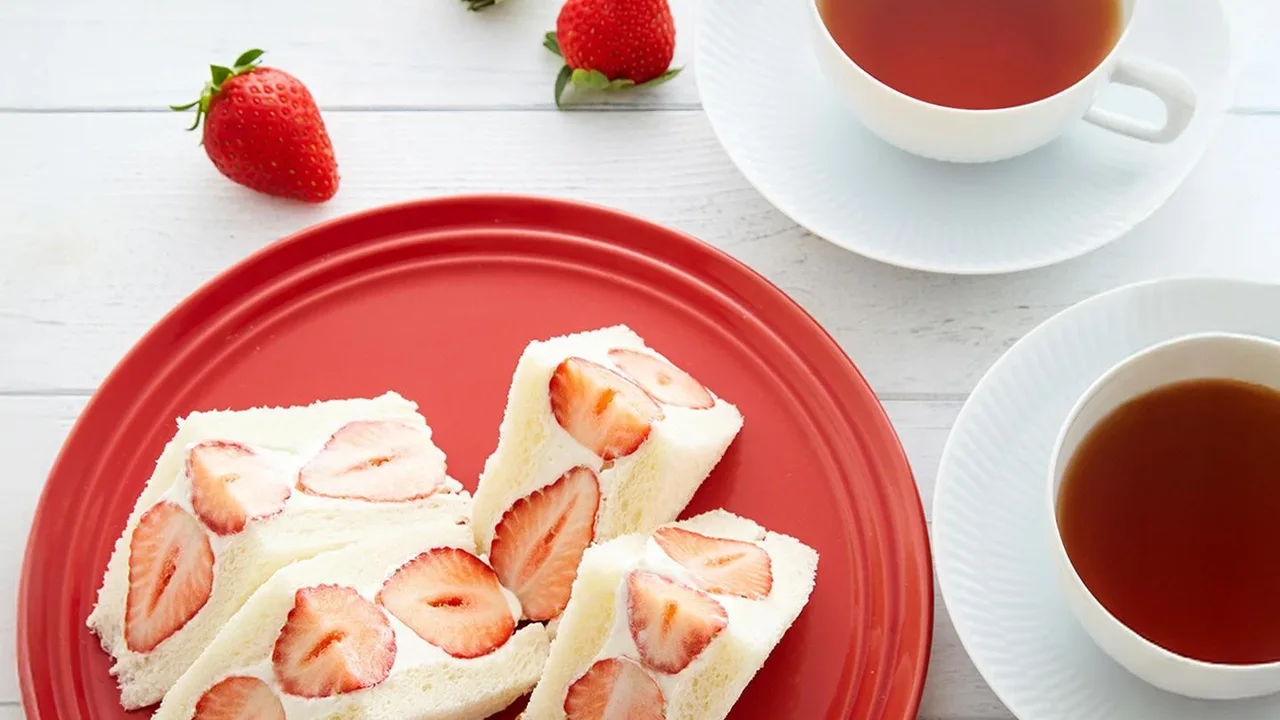
baked in a Pullman loaf pan with a lid, shokupan has a characteristic rectangular shape with sharp corners, perfect for creating uniform, crustless slices. While bread was introduced to Japan centuries ago, shokupan became a staple after World War II and is now a daily feature in breakfasts and lunchboxes across the nation. It's the go-to bread for everything from simple toast with butter to the picture-perfect fruit and cream sandwiches known as 'sandos'.
The Secret Is in the Science
The magic behind shokupan’s unique texture lies in a special technique known as the Yudane or Tangzhong method. Both involve pre-cooking a small portion of the flour and liquid (water or milk) to create a thick paste, or roux, before adding it to the rest of the dough ingredients. This process gelatinises the starches in the flour, allowing the dough to absorb and retain significantly more moisture. The result is a loaf that is exceptionally moist and fluffy, with a slightly chewy crumb that stays fresh for days longer than conventional bread. This fascinating bit of food science is what gives the bread its signature cloud-like quality.
A Slice of Japanese Culture
In Japan, shokupan is more than just a food item; it's a cultural touchstone. It's the star of the kissaten (traditional coffee shop) morning menu, often served as a thick slice of toast topped with butter, red bean paste, or a simple egg salad. It is so fundamental that since 2011, Japanese households have reportedly spent more on bread than on rice. The bread's clean, subtle sweetness makes it a perfect canvas for both sweet and savoury fillings, leading to an entire industry of creative sandwiches sold in convenience stores and specialty shops. This versatility has cemented its place as a comforting and essential part of the Japanese diet.
The Trend Goes Global—And Reaches India
In recent years, shokupan has exploded in popularity far beyond Japan, fuelled by social media platforms like TikTok, where videos of its soft, pull-apart texture garner millions of views. High-end bakeries from Los Angeles to London have added it to their menus, often charging a premium for an authentic loaf. This trend has found a firm footing in India, too. Once a country where 'bread' meant pav or basic sliced loaves, Indian metros are now embracing a wider world of baking. Speciality shops have opened, like Shokupan - The Sandwich Shop in New Delhi, which bakes its own milk bread for an inventive menu of sandos, aiming to make them as beloved as a burger. Bakeries and online stores in cities like Gurugram are also making fresh shokupan available, signaling a growing appetite for this global trend.
Your Turn to Taste the Cloud
The rise of shokupan isn’t just happening in professional bakeries; it’s also taking hold in home kitchens. As its fame has grown, so too has the availability of recipes and tutorials online, empowering amateur bakers to try their hand at the Yudane method. The ingredients are simple—flour, milk, yeast, sugar, and butter—but the technique offers a rewarding challenge for those looking to elevate their baking skills. Whether you're seeking it out at a local café, ordering a freshly baked loaf, or taking on the project yourself, experiencing shokupan is easier than ever. It's a chance to taste a bread that perfectly balances comforting simplicity with a touch of culinary magic.