





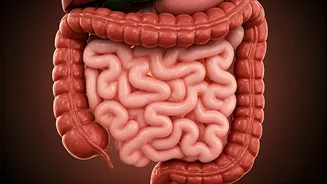


The Brain-Gut Communication Gap
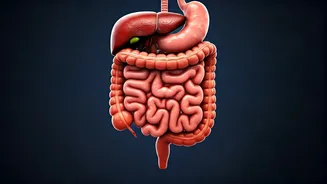
One of the most significant impacts of eating too fast is that it short-circuits the communication between your stomach and your brain. It takes approximately 20 minutes for your gut to send hormonal signals, like leptin, to your brain to register that you're
full. When you finish a meal in five or ten minutes, you consume far more calories than you need before your brain even gets the message to stop. This consistent overeating is a primary driver of weight gain, and studies have shown that fast eaters are up to twice as likely to be obese compared to those who eat slowly.
Increased Risk of Metabolic Syndrome
Beyond weight gain, rushing your meals is strongly linked to a higher risk of metabolic syndrome—a cluster of conditions that dramatically increases your risk for heart disease, stroke, and type 2 diabetes. These conditions include high blood pressure, excess belly fat, high blood sugar, and abnormal cholesterol levels. A major meta-analysis found that fast eaters had a significantly higher risk of developing metabolic syndrome. One Japanese study that followed over 1,000 people for five years found the incidence of metabolic syndrome was 11.6% among fast eaters, compared to just 2.3% in slow eaters. This is partly because rapid eating can cause larger fluctuations in blood glucose, leading to insulin resistance over time.
Poor Digestion and Nutrient Absorption
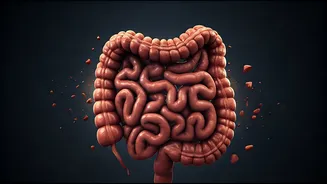
Digestion begins in the mouth. Chewing thoroughly not only breaks food into smaller, more manageable pieces but also stimulates saliva production. Saliva contains enzymes that kick-start the digestive process and helps neutralise acids in the mouth, protecting your teeth. When you eat too fast, you don't chew properly, forcing your digestive system to work harder to break down larger food particles. This can lead to uncomfortable symptoms like bloating, gas, and acid reflux. Furthermore, this inefficient process can result in poorer absorption of essential nutrients from your food.
The Rise of Mindless Eating
Rushed meals are often mindless meals. When you're eating at your desk, scrolling on your phone, or driving, you're not paying attention to your body's signals of hunger and satisfaction. This distraction means you miss out on the enjoyment of your food—the flavours, textures, and aromas. Studies have found that distracted eaters not only feel less full after a meal but are also more likely to snack more later on because they can't properly recall what they ate. Mindful eating, the practice of being fully present during your meal, is the direct antidote to this modern habit.
Simple Ways to Slow Down
Slowing down doesn't have to be complicated. The first step is to set aside dedicated time for your meals, aiming for at least 20 minutes. Try putting your fork down between bites or taking a sip of water to create a natural pause. Pay attention to the act of chewing; some experts suggest chewing each bite 20 to 30 times. Eliminating distractions is also key—turn off the TV, put your phone away, and step away from your work computer. By focusing on your food, you'll not only enjoy it more but also give your body the time it needs to properly digest and signal fullness.