

The Northern Powerhouse: Grains and Tubers
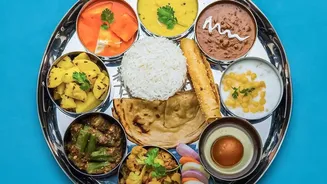
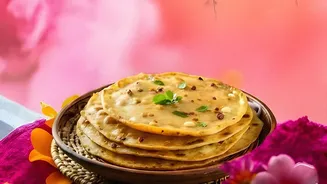
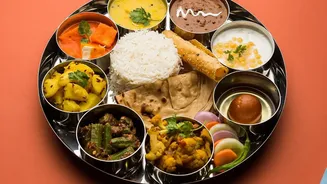
In North Indian states like Uttar Pradesh, Punjab, Haryana, and Delhi, the Navratri fasting plate is robust and designed to provide energy. The staples here are pseudo-grains like Kuttu (buckwheat flour) and Singhara (water chestnut flour). These are used
to make pooris, parathas, and cheelas. Potatoes are the vegetable of choice, prepared in a simple curry with tomatoes (Aloo Tamatar ki Sabzi) or stir-fried with cumin (Jeera Aloo). The use of rock salt, or sendha namak, is universal in fasting foods as it's considered a pure, unprocessed salt. This combination of pseudo-grains and tubers is perfect for the cooler autumn weather of the north, providing warmth and sustained energy. Paneer, or Indian cottage cheese, also makes a frequent appearance in various forms, offering a good dose of protein.
Western Wonders: The Reign of Sabudana
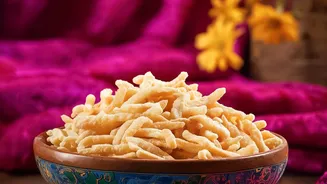
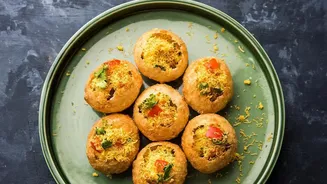
Travel west to Gujarat and Maharashtra, and the fasting menu changes significantly. Here, the undisputed king of 'vrat' food is Sabudana (tapioca pearls). Dishes like Sabudana Khichdi, a delicious mix of soaked tapioca pearls, roasted peanuts, potatoes, and mild spices, are iconic. Another popular snack is the Sabudana Vada, a crispy, deep-fried patty. While Sabudana provides a quick source of carbohydrates and energy, which is perfect for those participating in nightly Garba and Dandiya dances, flours like Rajgira (amaranth) are also used to make pooris and sheera (a sweet pudding). The fasting food here often incorporates peanuts, which add texture, flavour, and protein.
Southern Simplicity: Millets and Legumes
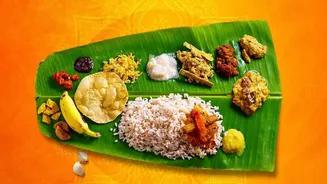
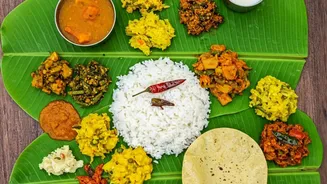
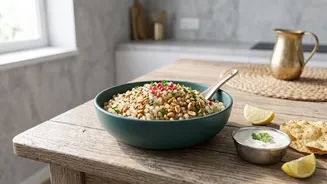
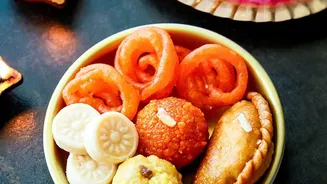
In the southern states of Tamil Nadu, Karnataka, and Andhra Pradesh, the approach to Navratri food is different again. Instead of a strict fast, the festival, often celebrated as 'Golu' or 'Bommai Golu', involves creating elaborate displays of dolls. Food is prepared as a 'naivedyam' (offering) to the goddess and then distributed. The highlight is 'sundal', a simple and nutritious dish made from various legumes like chickpeas, black-eyed peas, or green gram, which are boiled and tempered with mustard seeds, curry leaves, and fresh coconut. While some observe fasting with light meals, the emphasis is on these protein-rich snacks. Sweet preparations like Payasam, a kheer made with rice or vermicelli, milk, and jaggery, are also common offerings. The use of fresh coconut and lighter millets reflects the region's coastal and agricultural landscape.
The Eastern Feast: When Fasting Becomes Feasting
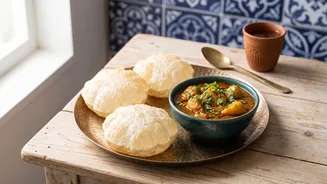
In a fascinating cultural contrast, while much of India fasts during Navratri, Eastern India, particularly West Bengal, celebrates Durga Puja with a grand feast. For Bengalis, Durga Puja marks the homecoming of the goddess, who is treated as a beloved daughter. This calls for celebration, not abstinence. From the sixth day (Shashthi) onwards, puja pandals and homes are filled with the aroma of festive foods. The menu is elaborate and often includes non-vegetarian delicacies like Kosha Mangsho (mutton curry), fish curries, and chicken dishes, alongside vegetarian specialities like Luchi (fluffy fried bread) and Bhoger Khichuri. This tradition underscores how regional interpretations and cultural significance can completely reshape a festival's culinary customs.
A Tapestry of Tastes
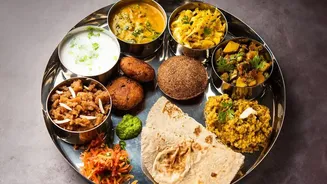
So, why the vast difference? The answer is a blend of geography, climate, and culture. The choice of ingredients is historically tied to local agriculture — what grows easily in a region naturally becomes a staple. Buckwheat thrives in the cooler north, while millets and coconut are abundant in the south. Climate also plays a role; heavy, energy-dense foods are more suited to the north, while lighter preparations are preferred in the humid west and south. Finally, cultural interpretations, like Bengal's celebration of Durga's homecoming, shape the very philosophy of the festival, turning it from a period of fasting into one of feasting. These diverse culinary traditions don't just fill a plate; they tell the story of India's incredible diversity.