




The All-Important Fibre Factor
The single biggest difference between whole fruit and fruit juice is dietary fibre. Whole fruits are packed with it, especially in the pulp, skin, and seeds that are often discarded by juicers. This fibre is a powerhouse for digestive health, helping
to prevent constipation, promote a feeling of fullness, and support a healthy gut. There are two main types of fibre in fruits: soluble, which dissolves in water and helps lower cholesterol and glucose levels, and insoluble, which adds bulk to stool and promotes regularity. The process of juicing strips away most of the insoluble fibre and a significant portion of the soluble fibre, leaving you with a drink that is nutritionally quite different from its source.
The Sugar Rush and Blood Glucose Spike
While the sugar in fruit is natural, the absence of fibre in juice changes everything about how your body processes it. In a whole fruit, the sugars are structurally bound within the plant cells and fibre. This matrix forces your body to work harder to break it down, resulting in a slow, steady release of sugar into the bloodstream. Fruit juice, on the other hand, delivers a concentrated dose of what experts call 'free sugars'—sugars that are no longer locked inside plant cells. This leads to a rapid spike in blood sugar and insulin levels, much like drinking a soft drink. Over time, this can be a concern, with studies linking higher fruit juice consumption to an increased risk of type 2 diabetes, whereas eating whole fruits is associated with a lower risk.
Satiety: Why Juice Doesn't Fill You Up
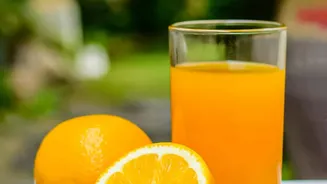
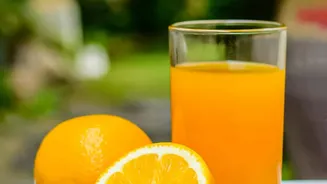
Have you ever noticed that you can drink a glass of orange juice in a minute, but eating the three or four oranges it took to make it would feel like a full meal? That’s satiety in action. The physical act of chewing a whole fruit sends signals to your brain that you are eating and should start to feel full. Furthermore, the fibre in the whole fruit adds bulk and slows down digestion, contributing to a longer-lasting feeling of fullness. Because juice lacks this fibre and is consumed quickly, it does little to satisfy hunger, which can lead to overconsumption of calories without the corresponding feeling of being full.
A Closer Look at Vitamins and Nutrients
Advocates for juicing often highlight its concentrated vitamin and mineral content. It's true that fresh juice contains many of the nutrients found in whole fruit, like vitamin C and potassium. However, the story is more complex. Many beneficial plant compounds, including antioxidants and polyphenols, are bound to the fibrous parts of the fruit—the very parts that are removed during juicing. The juicing process itself can also lead to nutrient loss. Heat-sensitive vitamins like vitamin C and certain B vitamins can begin to degrade when exposed to the air and heat generated by some juicers. For maximum nutrient retention, whole fruit is the undisputed winner.
Is There Ever a Good Time for Juice?
Despite the clear advantages of whole fruit, juice isn't entirely without its place. For individuals who have trouble eating or digesting solid foods, juice can be a viable way to get a quick and easily absorbable dose of nutrients. It can also be a convenient way to add vitamins to your diet if you struggle to eat enough fruits and vegetables. If you do choose to drink juice, consider it an occasional treat rather than a replacement for whole fruit. Opt for a small serving size, and try to have it with a meal that includes protein or fat to help slow down the absorption of sugar. Alternatively, consider making a smoothie. Blending whole fruits retains the fibre, giving you a beverage that is nutritionally much closer to the original fruit.