





The Rise of Simplicity
Why the sudden shift towards simplicity? The reasons are as practical as the workouts themselves. Post-pandemic life has reshaped our priorities. Many have realised that consistent, simple movements done at home or in a local park are more sustainable
than a gym membership that goes unused. The 'all or nothing' mentality, where fitness meant spending hours at a high-end facility, is fading. In its place is a more forgiving, realistic mindset. This new wave is about accessibility—fitness that doesn't demand expensive equipment, a huge time commitment, or a personal trainer. It's about reclaiming movement as a natural part of daily life, not a scheduled chore.
Foundation First: The Power of Brisk Walking
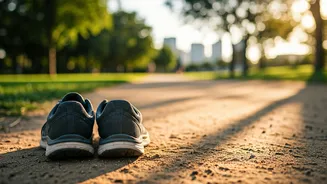
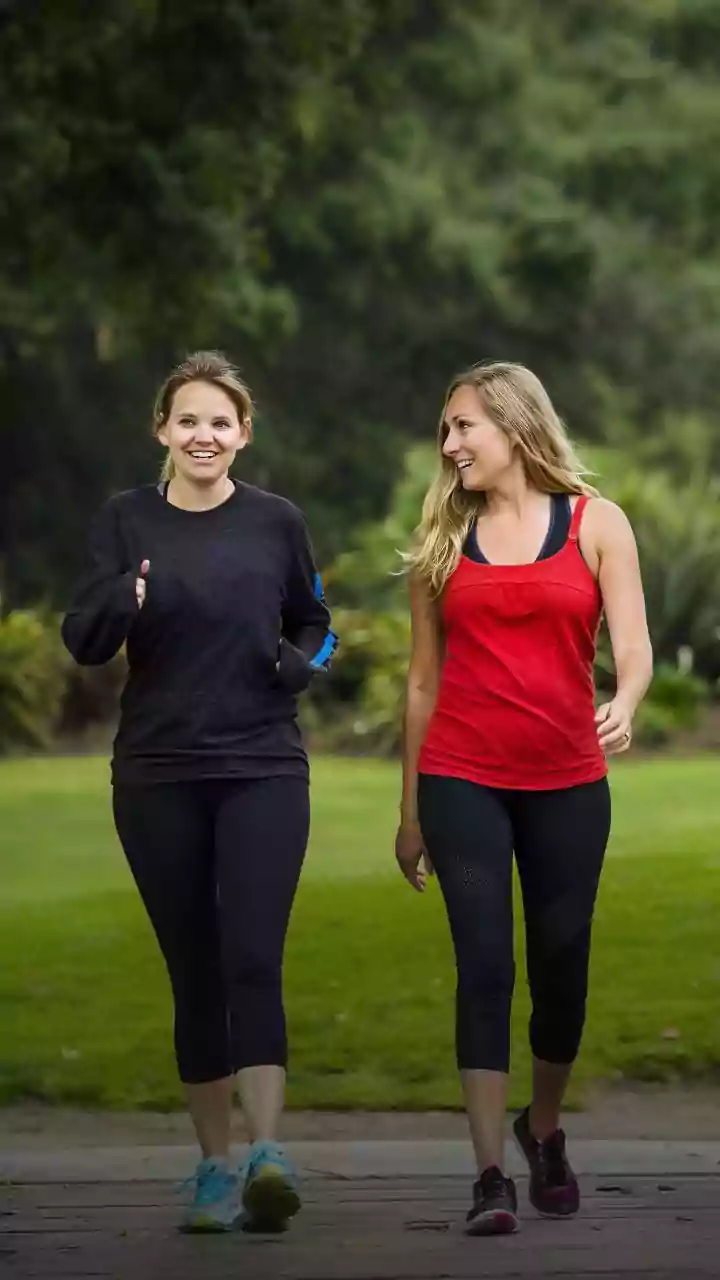
The cornerstone of this simple fitness revolution is an activity we all know how to do: walking. But don't underestimate its power. A daily 30-40 minute brisk walk is a formidable tool for cardiovascular health, weight management, and mental clarity. It's low-impact, meaning it's gentle on your joints, making it suitable for all ages and fitness levels. The best part? It's free and requires no special gear beyond a comfortable pair of shoes. To make it a habit, integrate it into your routine. Walk to the market, take a post-dinner stroll with family, or use your lunch break to get some steps in. Consistency is far more important than speed or distance when you're starting out. This is the simple, powerful base upon which to build.
Strength Without a Gym: Bodyweight Basics
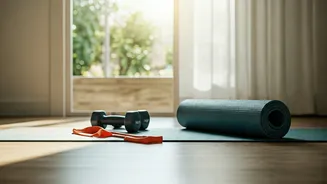
Cardio is only half the equation. Building and maintaining muscle is crucial for a healthy metabolism and functional strength—the kind you need for everyday tasks like lifting groceries or playing with your kids. The good news is you already own the best piece of gym equipment: your body. A simple bodyweight circuit can be incredibly effective. Focus on foundational movements: - **Squats:** The king of lower-body exercises. Stand with feet shoulder-width apart and lower your hips as if sitting in a chair. Keep your chest up and back straight. - **Push-ups:** A classic for upper body and core strength. If a full push-up is too hard, start by doing them on your knees or against a wall. - **Planks:** An amazing exercise for core stability. Hold a push-up position, resting on your forearms, keeping your body in a straight line from head to heels. Aim for 2-3 sets of 10-15 repetitions for squats and push-ups, and hold the plank for 30-60 seconds. This short routine, done 3-4 times a week, will build a strong, resilient body.
Mind and Body: A Touch of Yoga
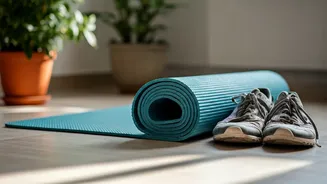
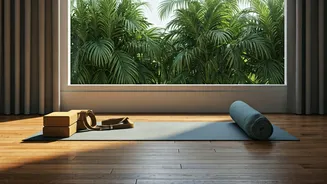
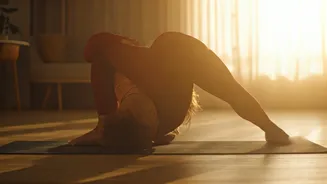
India's ancient gift to the world, yoga, is a perfect complement to walking and strength training. You don't need to be a flexibility expert to reap its benefits. A simple 'Surya Namaskar' (Sun Salutation) sequence in the morning can work wonders for waking up your body, improving flexibility, and calming your mind. This series of 12 linked poses provides a full-body stretch and can be as gentle or as vigorous as you make it. If a full sequence feels intimidating, start with just a few basic stretches like a forward fold to release your back or a simple cat-cow stretch to improve spinal mobility. Even five minutes of mindful movement and deep breathing can reduce stress and improve your overall sense of well-being.
Putting It All Together
The beauty of this simple routine is its flexibility. There's no rigid schedule to follow. The goal is to move your body in different ways throughout the week. A sample week might look like this: - **Monday, Wednesday, Friday:** 30-minute brisk walk + 15-minute bodyweight circuit (squats, push-ups, plank). - **Tuesday, Thursday, Saturday:** 40-minute brisk walk + 10 minutes of yoga or stretching. - **Sunday:** Rest or a gentle, leisurely walk with family. Listen to your body. If you're sore, take an extra rest day. If you have more energy, walk for a little longer. The key is to create a sustainable habit that serves you, not a demanding regimen that controls you.