






A Breeding Ground in Your Bathroom
When you dry off after a shower, you're not just leaving behind water on your towel. You're also transferring dead skin cells, natural body oils, and a host of microscopic organisms. Normally, this isn't a problem. But when a towel is left damp, especially
when folded or bunched up, it transforms. The warm, humid environment of most bathrooms, combined with the moisture and organic material in the towel's fibres, creates the perfect breeding ground for bacteria, mould, and mildew. That sour, musty odour you might notice is a direct result of this microbial growth. These microorganisms aren't just responsible for unpleasant smells; they can also contribute to skin issues like acne, clogged pores, or even exacerbate conditions like eczema.
The Problem with Overlapping
Hanging multiple damp towels over a single hook or bar where they overlap is the primary mistake that fuels this cycle. When towels are pressed against each other, air circulation is cut off almost completely. The trapped moisture has nowhere to go, meaning the towels take significantly longer to dry. This extended dampness is an open invitation for bacteria and mould to multiply rapidly. Research from the University of Arizona found that a huge percentage of bathroom towels are contaminated with various bacteria, some of which can be harmful. The longer a towel remains damp, the more active these microbial colonies become, effectively turning your clean towel into a germy fabric before its next use.
The Simple Solution: Separate Hooks
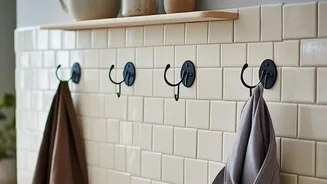
The fix is as simple as the headline suggests: use separate hooks. By giving each towel its own hook, you allow air to circulate freely around the entire surface. This dramatically speeds up the drying process, robbing mould and bacteria of the prolonged moisture they need to thrive. When a towel can dry completely between uses, its microbial population is kept in check, preventing odours and reducing the risk of transferring germs back to your clean skin. It’s a small change in habit that interrupts the cycle of dampness and bacterial growth. For a family, this means assigning a hook to each person. Not only does this solve the hygiene issue, but it also ends the daily question of, "Whose towel is this?"
Elevating Your Towel Hygiene
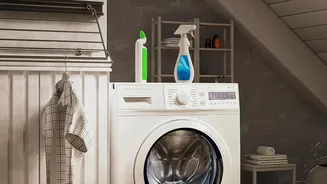
While separate hooks are a crucial first step, you can further improve your towel hygiene with a few other practices. Experts generally recommend washing bath towels after every three or four uses to remove the buildup of skin cells, oils, and bacteria. Hand towels, which are often used more frequently and by multiple people, should be changed every one to two days. When you do wash your towels, avoid overloading the machine. They need room to agitate freely to get properly clean. Using hot water can also help kill more germs. If you notice a persistent musty smell even after washing, it could be due to detergent buildup. A cycle with white vinegar can help strip that residue and deodorise the fabric.
Making It Work in Your Space
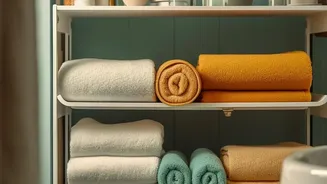
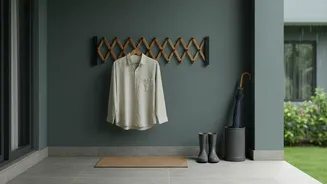
Not every bathroom has abundant wall space for a row of hooks. If you're tight on space, get creative. Over-the-door hook racks can provide ample hanging spots without requiring any drilling. A freestanding towel ladder is another stylish and practical option that allows towels to be draped without overlapping. In particularly humid climates or bathrooms with poor ventilation, a heated towel rail can be a worthwhile investment, as it actively dries the towels and helps warm the room. The key principle remains the same regardless of the hardware you choose: ensure each damp towel has its own space with maximum exposure to the air. It’s one of the easiest and most effective ways to maintain a cleaner, fresher, and healthier bathroom.