




Understanding the Monsoon's Power
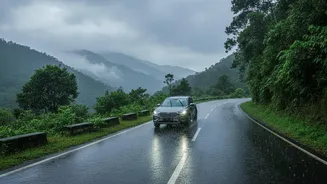
The monsoon season transforms India into a lush, green paradise, but it also brings challenges for travellers. Heavy rainfall can lead to waterlogging, traffic snarls, and, in hilly areas, the risk of landslides. As of early August, the India Meteorological
Department (IMD) has issued alerts for heavy to extremely heavy rainfall in several parts of the country, including Northeast India, Kerala, and parts of Karnataka. These warnings aren't meant to stop your plans, but to help you make informed decisions. A 'red alert' signals a need for action and advises against non-essential travel, while an 'orange alert' means you should be prepared for disruptions. A 'yellow alert' simply asks you to be aware. Knowing what these mean can be the difference between a ruined holiday and a well-managed adventure.
Your Digital Weather Toolkit
Gone are the days of guessing. Today, a wealth of weather information is at your fingertips. For the most reliable local information, the government's 'Mausam' app is a great resource, providing forecasts, radar images, and warnings directly from the IMD. Other popular and reliable options include Skymet Weather, which is known for its detailed forecasts in multiple Indian languages, and international apps like AccuWeather, which offers a 'MinuteCast' feature predicting rain minute-by-minute. These tools are essential for checking conditions not just before you book, but also right before you leave and even during your trip. A quick check in the morning can help you decide between an outdoor trek or a cozy café visit.
Embrace the Rain: Monsoon-Ready Destinations
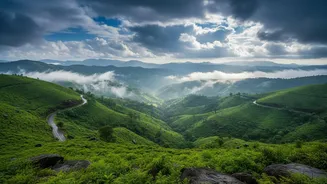
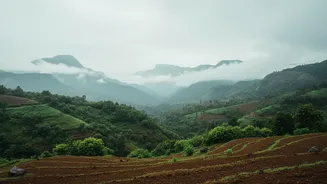
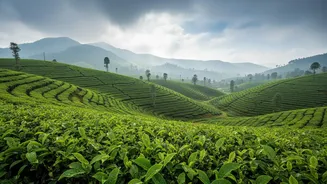
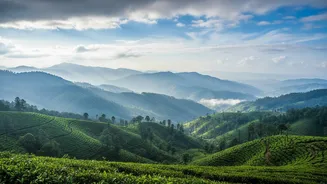
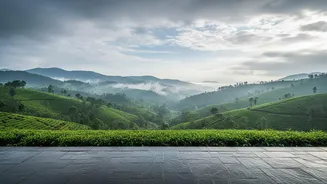
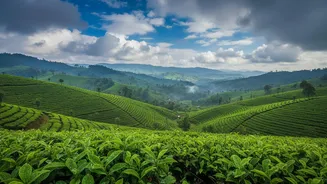
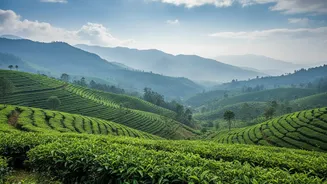
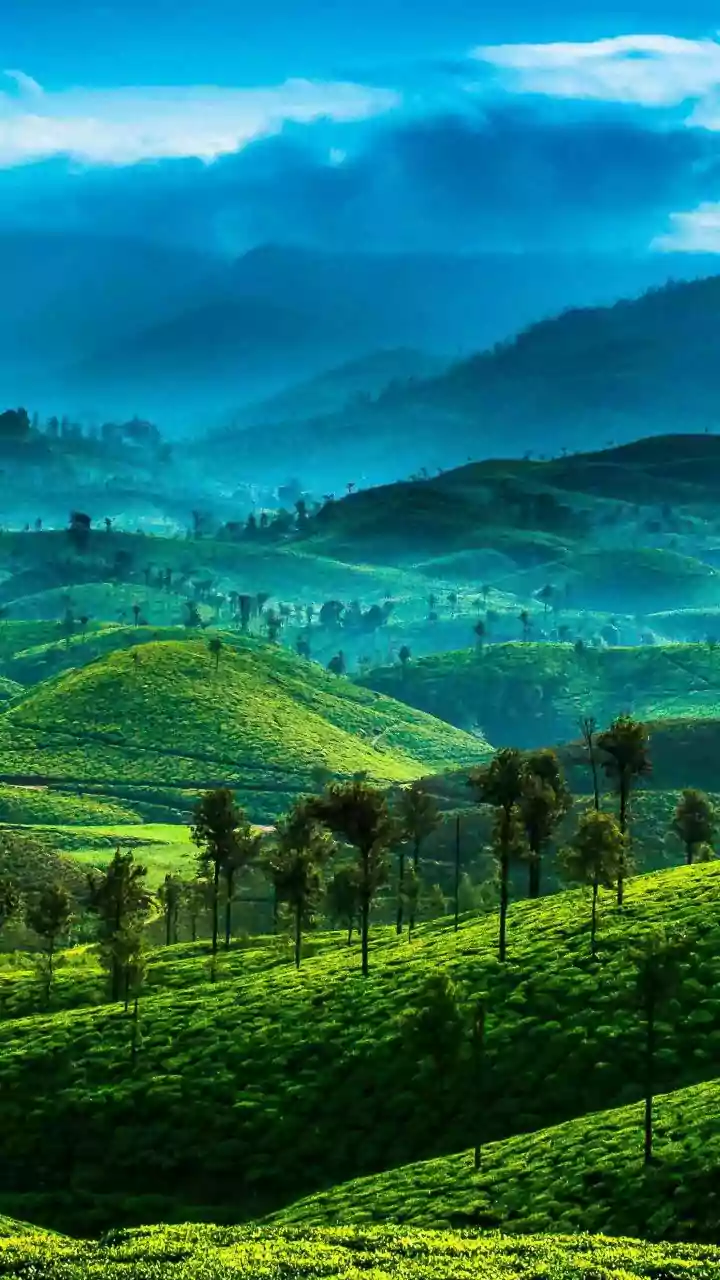
Instead of fighting the rain, why not choose a destination that comes alive during the monsoon? The Western Ghats are a prime example. Hill stations like Lonavala and Mahabaleshwar near Mumbai and Pune become draped in mist and dotted with waterfalls, offering breathtaking views. Down south, Coorg in Karnataka and Munnar in Kerala are transformed into emerald wonderlands, with their coffee and tea plantations looking fresher than ever. Even Rajasthan's Udaipur offers a unique charm as rain fills its famous lakes. For those seeking sunshine, the rain-shadow regions like Ladakh offer clear skies with minimal rainfall during this period. Choosing a destination that thrives in the rain turns the weather from a problem into the main attraction.
Pack Smart for a Wet Weekend
Your packing strategy is crucial for a successful monsoon trip. Leave the heavy jeans and cottons at home, as they take forever to dry. Instead, opt for lightweight, quick-drying synthetic fabrics. A reliable waterproof jacket or poncho is non-negotiable. When it comes to footwear, choose rubber sandals or waterproof shoes with a good grip to navigate slippery paths. A waterproof bag or dry bag is essential for protecting your electronics like phones and power banks. It's also wise to carry a reusable bag for wet clothes to keep them separate from your dry items. Finally, don't forget insect repellent, as mosquitoes are more prevalent during this season.
The Importance of a Flexible Plan
The single most important tip for monsoon travel is to remain flexible. Road conditions can change quickly, and what was a clear route in the morning might be waterlogged by the afternoon. Build buffer time into your itinerary and avoid packing your schedule too tightly. For every outdoor activity you plan, have an indoor backup. If the trek to the waterfall viewpoint is rained out, a visit to a local museum, a cooking class, or a relaxing afternoon at a spa can be just as enjoyable. Having this 'Plan B' ensures that a downpour enhances your trip with a cozy, unplanned experience rather than derailing it entirely.