




The Plant Protein Puzzle
To understand why this blend is so effective, we first need to talk about amino acids. Proteins are made of 20 different amino acids, nine of which are considered “essential” because our bodies can’t produce them; we must get them from food. An animal
protein like whey or chicken contains all nine essential amino acids in sufficient amounts, earning it the label of a “complete protein.” Many plant-based proteins, however, are “incomplete,” meaning they are low in one or more of these essential building blocks. This has historically been a challenge for those on vegan or vegetarian diets looking to build muscle and support recovery.
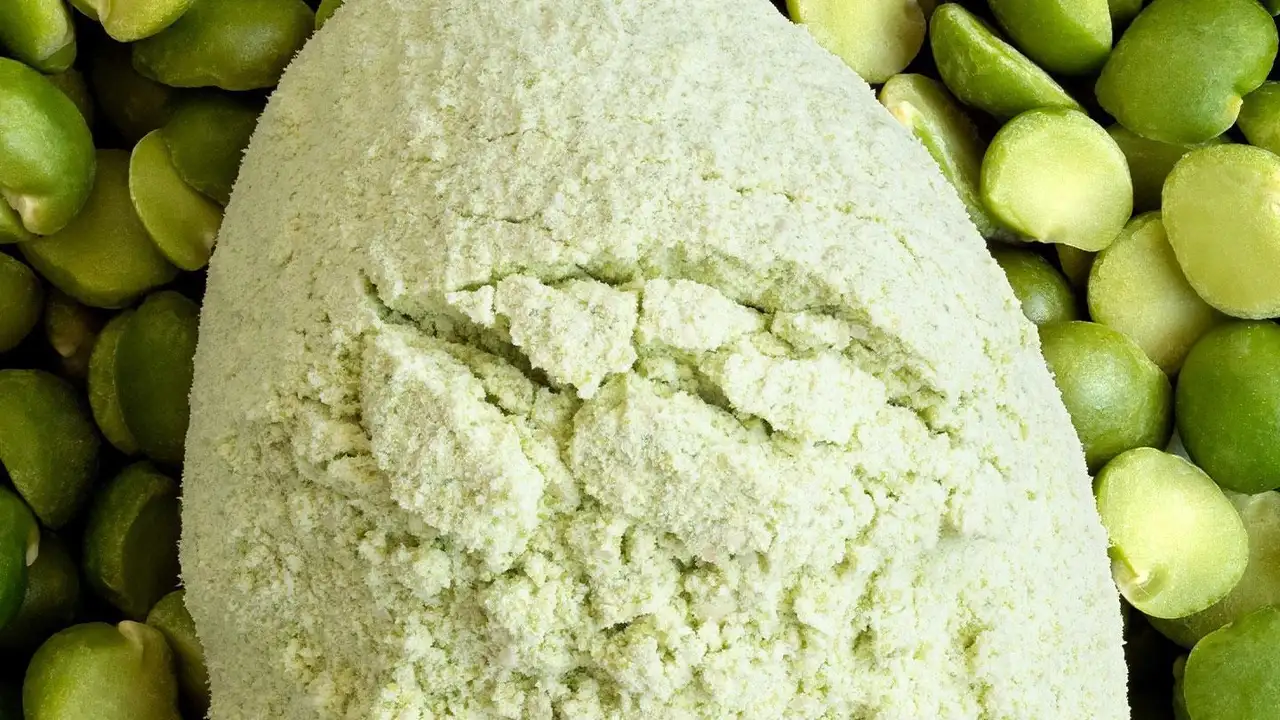
Pea Protein: The Powerhouse with a Flaw
Pea protein has become incredibly popular, and for good reason. It is hypoallergenic, easily digestible, and rich in branched-chain amino acids (BCAAs), which are crucial for stimulating muscle protein synthesis. It’s particularly high in lysine, an essential amino acid that plays a role in immune function and growth. However, pea protein has a nutritional weak spot: it is low in the essential amino acid methionine. Methionine is vital for metabolism and detoxification, so a deficiency can limit the body’s ability to fully utilize the protein consumed.
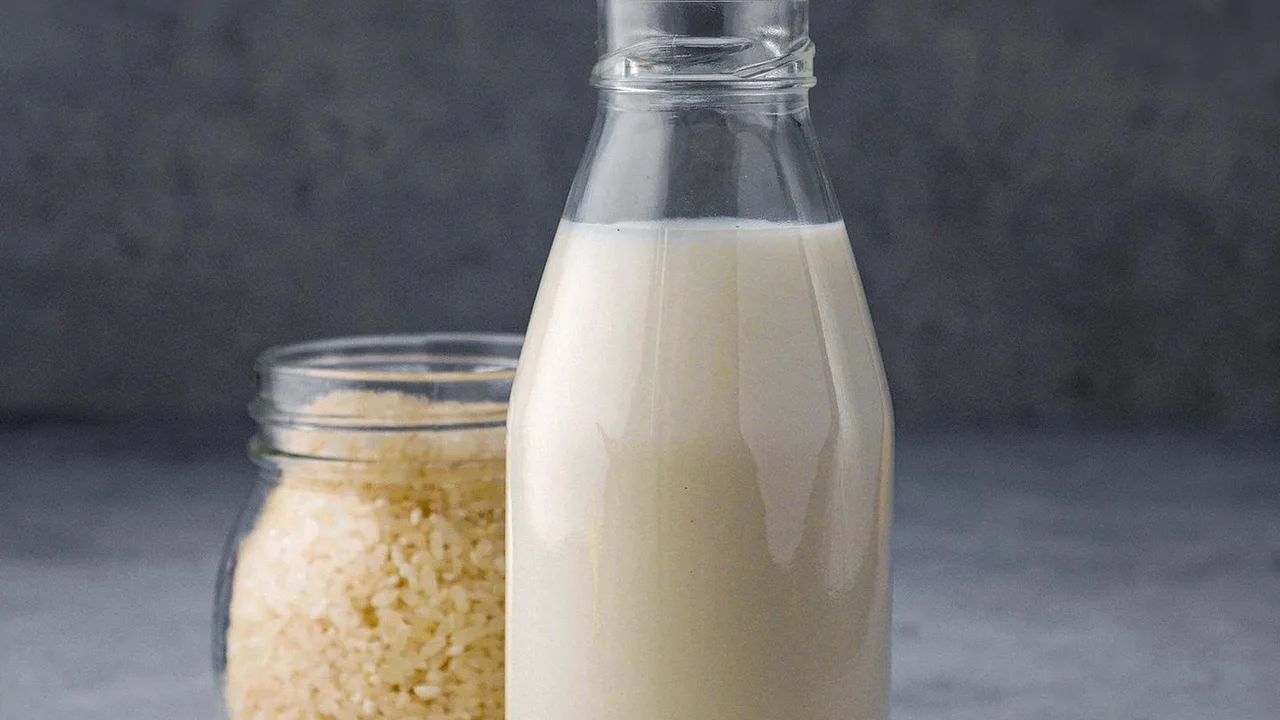
Rice Protein: The Perfect Partner
Enter rice protein. Often derived from sprouted brown rice, this protein source is also hypoallergenic and gentle on the digestive system. Its key strength is that it is rich in the sulfur-containing amino acids cysteine and, importantly, methionine—the very amino acid that pea protein lacks. On its own, however, rice protein is considered incomplete because it has very low levels of lysine. You can probably see where this is going. One protein’s weakness is the other’s strength.
A Scientifically Superior Blend
When you combine pea and rice protein, you are practicing what nutritionists call “protein complementarity.” The high lysine content of pea protein compensates for the lack in rice protein, while the high methionine content in rice protein fills the gap in pea protein. The result is a blended protein with a complete amino acid profile that is comparable to animal-based proteins like whey. This synergy means the body gets all the essential building blocks it needs for effective muscle repair, recovery, and growth. Some studies show that blends can achieve a perfect Protein Digestibility Corrected Amino Acid Score (PDCAAS) of 1.0, the highest possible rating for protein quality.
Beyond Muscle: Benefits for Digestion
The advantages of a pea and rice protein blend extend beyond muscle synthesis. One of its most significant benefits is its digestibility. Whey protein, while effective, contains lactose, which can cause digestive issues like bloating and discomfort for many individuals. Since both pea and rice proteins are naturally free from dairy, gluten, and soy, they are an excellent allergen-friendly option. This makes the blend a gut-friendly choice for people with food sensitivities or anyone who finds animal-based proteins heavy and difficult to digest.