


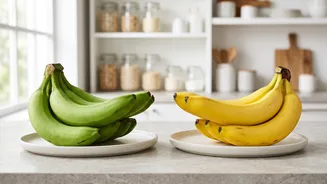

It’s a common sight in kitchens everywhere: a bunch of bananas, either a little too green to be sweet or rapidly developing brown spots. But beyond taste and texture, the ripeness of your banana has a surprising impact on its health benefits.
The Power of Green, Unripe Bananas
A green or
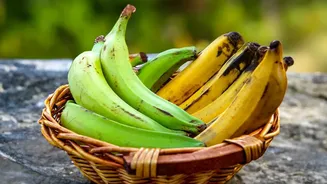
'raw' banana is more than just a pre-ripe fruit; it's a nutritional powerhouse of a different kind. Its primary claim to fame is its high concentration of resistant starch. As the name suggests, this type of starch 'resists' digestion in the small intestine, travelling to the large intestine where it acts as a prebiotic, feeding the beneficial bacteria in your gut. This process is excellent for digestive health and can promote a healthy gut environment. Because it’s not easily broken down into sugar, resistant starch helps maintain stable blood sugar levels, making green bananas a great option for those who need to manage their glucose response. The high fibre and starch content also promotes a feeling of fullness, which can aid in appetite control. However, this same high starch content can make them harder to digest for some, occasionally causing gas or bloating.
The Sweet Benefits of Ripe, Yellow Bananas
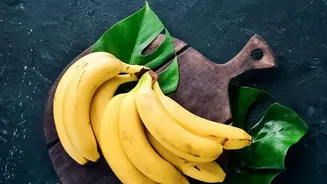
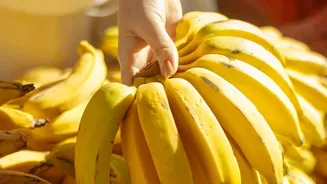
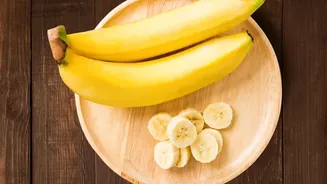
As a banana ripens, its nutritional profile shifts dramatically. The resistant starch that defined its green stage converts into simple sugars like sucrose, fructose, and glucose. This is why yellow bananas are noticeably sweeter and softer. This higher sugar content makes them an excellent source of quick energy, ideal for a pre-workout snack or a mid-afternoon boost. Ripe bananas are also generally easier to digest because the complex starches have already been broken down, making them a gentle option for children or those with sensitive stomachs. Furthermore, the ripening process increases the level of antioxidants. Those familiar brown spots are actually a sign that the banana has higher concentrations of beneficial plant compounds that help fight inflammation and oxidative stress in the body.
A Nutritional Showdown: Green vs. Ripe
So, how do they stack up side-by-side? A green banana is lower in sugar and has a lower glycemic index (GI), typically around 30-42. A ripe banana’s GI is higher, around 51, though still considered in the low range. The main carbohydrate in a green banana is starch (up to 80% of its dry weight), while in a ripe banana, it's sugar. In terms of gut health, the prebiotic-rich resistant starch in green bananas is a clear winner for feeding your microbiome. Conversely, ripe bananas are richer in certain antioxidants and are much easier for the body to break down and use for immediate energy. Both versions offer valuable nutrients like potassium, vitamin B6, and vitamin C, with only minor losses of some micronutrients as the banana ages.
Which Banana Is Right for You?
The 'better' banana truly depends on your individual needs and health goals. If you are managing your blood sugar, looking for sustained energy release, or actively trying to improve your gut health with prebiotics, a slightly green banana is the superior choice. Its ability to keep you feeling full longer also makes it a smart choice for weight management. On the other hand, if you need a quick and easily digestible source of energy, such as before exercise, a ripe yellow banana is perfect. Its natural sweetness also makes it an ideal ingredient for reducing added sugar in recipes like smoothies and baked goods. For those with digestive sensitivities, the soft, low_starch nature of a ripe banana is often much more comfortable on the stomach.
From Green Salads to Sweet Smoothies
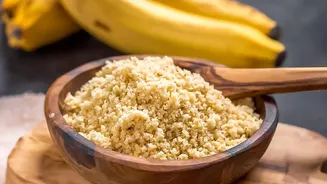
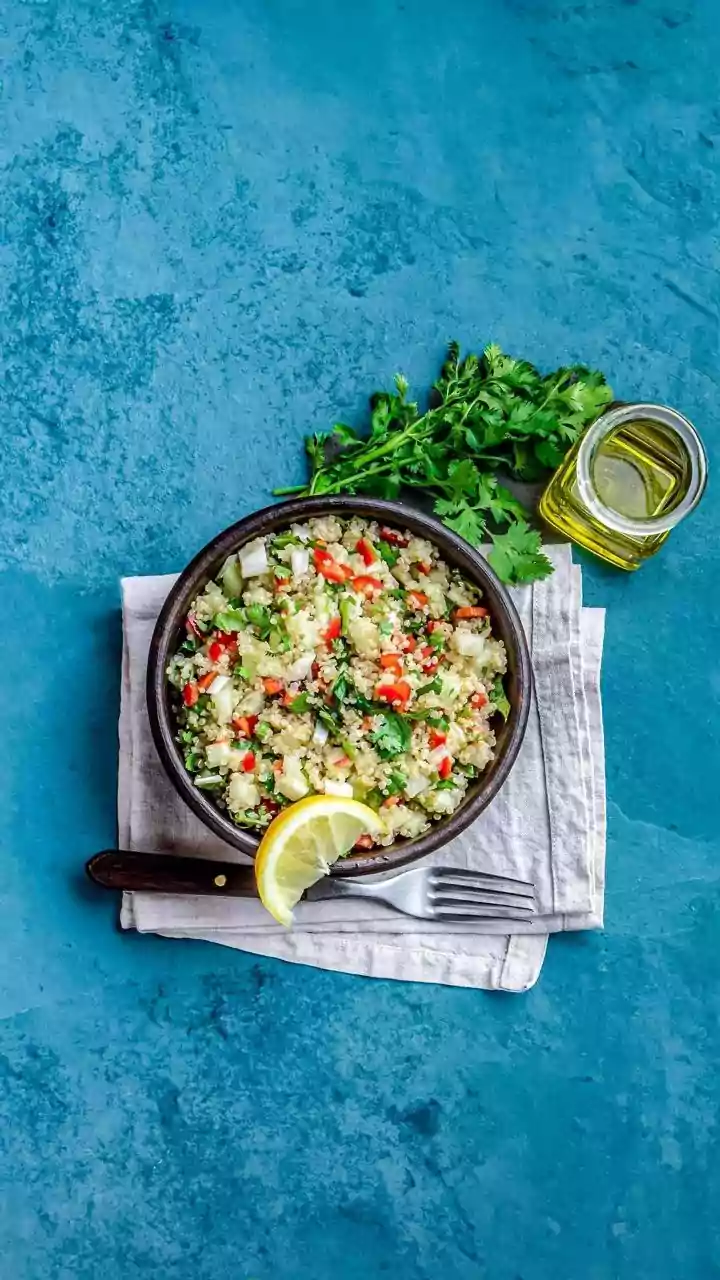
Don't be afraid to incorporate both types of bananas into your snacks and meals. Green bananas, while tart when raw, can be cooked. In many tropical regions, they are boiled, fried, or added to savoury dishes, much like a plantain. You can slice them thinly and add them to curries or make green banana flour for gluten free baking. Ripe bananas are the undisputed champion of sweet treats. They are perfect for mashing into banana bread, muffins, and pancakes, where their sweetness shines. Frozen ripe bananas can be blended into a creamy, dairy free 'nice cream'. And of course, they are a classic addition to smoothies, oatmeal, and yogurt parfaits, providing both flavour and a quick energy lift. Experimenting with both types opens up a whole new world of banana based possibilities.