




More Than Just a Meal
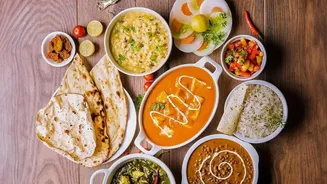
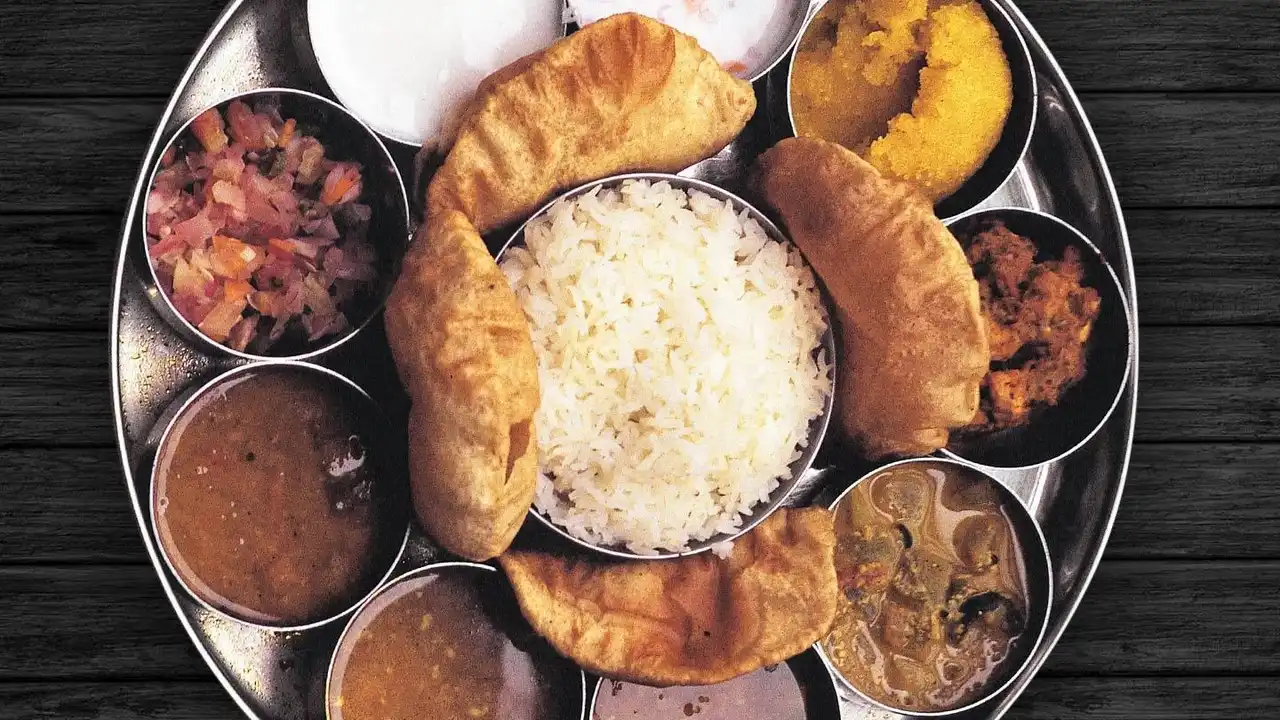
Heritage cooking is the art of preserving food traditions that are passed down through generations. It’s the opposite of fast food; it is slow, intentional, and deeply rooted in a family’s history and regional identity. These aren't the dishes you'll
find on a typical restaurant menu. They are the treasured recipes for festival-specific sweets, the unique spice blends of a particular community, or the complex curries that mothers and grandmothers perfected over decades. In a world of globalised tastes, heritage food offers a connection to something real and personal—a taste of home, memory, and identity all on one plate. This style of cooking tells a story of the land, the climate, and the history of a people, making it a living, edible archive of culture.
A Craving for Authenticity
So why the sudden surge in interest? Many believe it's a reaction to our increasingly homogenised world. As culinary scenes in big cities begin to look alike, there's a growing desire for food that feels genuine and has a story. This movement champions the home cook—the real guardians of India's vast culinary heritage. It acknowledges that the true depth of Indian cuisine lies not in five-star hotels, but in the kitchens of countless households, each with its own distinct culinary signature. Festivals like Sattvik in Ahmedabad, which focuses on traditional vegetarian foods, or Ahare Bangla in Kolkata, which showcases lost and tribal recipes, provide a platform for these unsung culinary heroes. These events are more than just food markets; they are vibrant celebrations of community, memory, and cultural pride.
Festivals as Cultural Custodians
Food festivals have become crucial stages for this culinary renaissance. They offer a space where home cooks can share their family's legacy with a wider audience, transforming a private tradition into a shared public experience. Organizers are increasingly recognising the value of this authenticity, curating events that are part food fair, part cultural exhibition. For example, a festival might feature a grandmother from a coastal village demonstrating a centuries-old fish curry recipe, or a family from Rajasthan preparing Dal Baati Churma the way it's been made in their community for ages. By doing so, these festivals act as living museums, ensuring that precious culinary skills and knowledge are passed on to a new generation and not forgotten. This not only preserves the recipes themselves but also the stories, rituals, and sense of identity connected to them.
From the Family Kitchen to the Public Plate
The journey for many of these home cooks is a deeply personal one. For generations, their cooking was a gesture of care for their families and communities. Now, they find themselves at the centre of a cultural trend, their humble kitchens suddenly in the spotlight. For many, it's a chance to receive validation for a lifetime of skill and to feel a sense of pride in their heritage. It’s also a powerful form of cultural exchange. A visitor to a food festival might taste a dish from a region they've never visited, prepared by someone whose life is vastly different from their own, creating a connection that transcends geography and background. This simple act of sharing a meal fosters understanding and breaks down cultural barriers in a way few other things can.