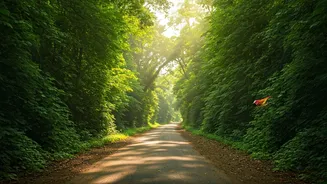









From Mundane to Magical
The same old path you walk every day holds countless secrets. Birdwatching is the key that unlocks them. It’s a simple hobby that layers a sense of purpose and discovery onto a familiar activity. Studies have shown that simply seeing or hearing birds
can improve mental wellbeing, reduce stress, and alleviate anxiety. It’s a meditative practice that encourages you to be present, to be quiet, and to notice the small wonders you’ve been walking past. What was once just a green blur becomes a habitat, and what was just background noise becomes a symphony of distinct calls.
Your Neighbourhood, An Aviary
You don’t need to travel to a national park to find remarkable birds; Indian cities are vibrant ecosystems. The confident strut of the Common Myna, with its yellow eye-patch, is a familiar sight on street corners. Look up, and you’ll often see Black Kites circling gracefully in the sky, their forked tails making them easy to identify. The cheerful, metallic ‘tuk-tuk-tuk’ of the Coppersmith Barbet often echoes from leafy trees, even if the small green bird itself is hard to spot. From the raucous, bright green Rose-Ringed Parakeets that fly in screeching flocks to the tiny, iridescent Purple Sunbirds darting among balcony flowers, your locality is more wild than you think.
Getting Started: The Bare Essentials
The beauty of birdwatching is its accessibility. You don’t need expensive gear to begin. The most important tool is your curiosity. Start by simply paying attention. Notice the different shapes, sizes, colours, and behaviours. To take it a step further, a good pair of binoculars is the single most important investment. A basic 8x42 or 10x42 pair will bring the birds closer, revealing details you'd otherwise miss. A notebook to jot down what you see and a field guide or app can also be incredibly helpful. Many beginners start with a physical book, but apps like Merlin Bird ID or the eBird app can help identify birds from a photo or a sound recording.
Learning to Look and Listen
Birdwatching is an exercise in mindfulness. Instead of just looking, you learn to see. Pay attention to movement in the foliage or on rooftops. Notice how a bird flies – is it a direct flight or an undulating one? Observe its beak – is it short and stout for cracking seeds, or long and thin for sipping nectar? Listening is just as crucial. Each bird has a unique call, from the repetitive chirp of a House Sparrow to the loud chatter of a Myna. Some apps, like BirdNET, specialize in identifying birds purely by their songs. The more you practice, the more you’ll be able to identify birds before you even see them, turning your soundscape into a checklist.
Joining the Flock
While birding can be a peaceful solitary activity, it’s also a great way to connect with others. India has a burgeoning community of bird enthusiasts. Joining a local birdwatching group or an online forum is a fantastic way to learn from experienced birders, discover new locations, and share your sightings. Many cities have local clubs that organize weekend walks. Apps and websites like eBird not only help you log your sightings but also connect you to a global community of citizen scientists, where your data contributes to conservation efforts. Organizations like the Bombay Natural History Society (BNHS) also offer resources and even apps to engage the community.