




The Nightmare of the Reference List
Every Masters or PhD candidate knows the fear. After months or years of research, you’re faced with a list of hundreds of sources that must be perfectly formatted and flawlessly cross-referenced. The potential for error is huge. Studies have shown that even
papers published in respected journals contain significant citation error rates. Common mistakes range from minor formatting inconsistencies—like using the wrong punctuation for APA versus MLA style—to more serious issues. These include misspelled author names, incorrect publication years, and a mismatch between the citations in your text and the final reference list. Forgetting to cite a source can lead to accidental plagiarism, a catastrophic outcome for any academic. Manually checking every single detail is a time-consuming and anxiety-inducing process that takes valuable time away from the research itself.
Meet Your New AI Research Assistants
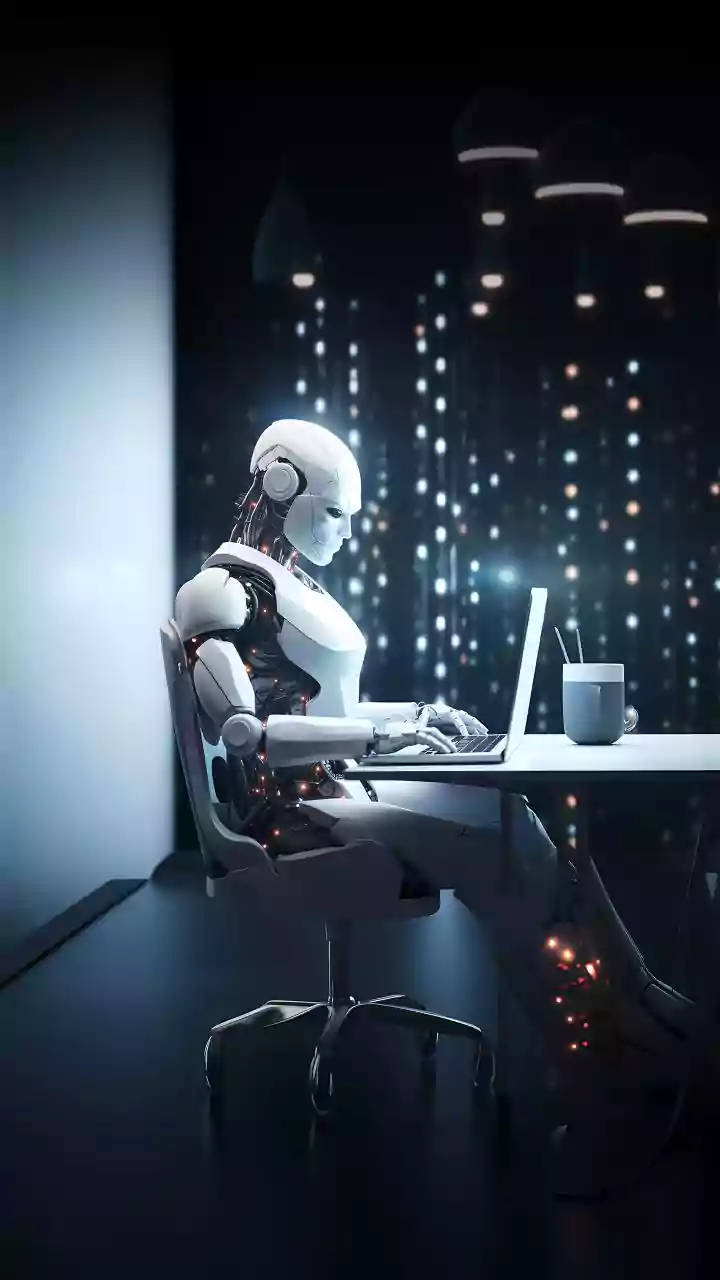
Artificial intelligence offers a powerful solution to this age-old problem. A suite of AI-powered tools now exists to streamline and verify the entire research process. Think of them not as a single magic button, but as a team of specialised assistants. Some tools, like Elicit and Consensus, are designed for discovery; they help you search through millions of academic papers to find the most relevant studies for your topic, often summarizing them for you. Others are built specifically for verification. These citation checkers and analysis tools can scan your reference list to check for accuracy, formatting, and authenticity. They cross-reference your entries against vast academic databases, flagging potential issues that the human eye might miss after hours of staring at a screen.
From Manual Labour to Smart Analysis
The main benefit of these tools is a massive gain in efficiency and a new layer of analytical depth. Instead of spending weeks manually sifting through databases, an AI assistant can help identify foundational papers on a topic in a matter of hours. But their capabilities go beyond simple search. Tools like Scite, for instance, offer 'Smart Citations'. It doesn’t just tell you that a paper was cited; it shows you how it was cited. You can instantly see whether subsequent studies supported, contradicted, or simply mentioned the findings of a paper you are considering for your literature review. This allows you to quickly gauge the academic conversation around a particular study, understand ongoing debates, and identify genuine gaps in the literature—a core requirement for any high-quality dissertation.
The Limits of Artificial Intelligence
While these tools are revolutionary, the headline's promise that they 'ensure' accuracy needs a strong dose of reality. AI is not infallible and it is crucial to understand its limitations. A significant issue is 'AI hallucination', where a tool can confidently invent fake sources or create citations for papers that do not exist. In fact, one study found that leading AI chatbots incorrectly cited their sources around 60% of the time. Furthermore, AI can oversimplify complex arguments and lacks the nuanced, critical understanding of a human expert. It cannot grasp the subtle context of your argument or make the final judgment on whether a source is truly appropriate. Over-relying on this technology without critically vetting its output can weaken your research and lead you to draw incorrect conclusions.
The Golden Rule: AI as an Assistant, Not an Author
The most effective way to use these tools is to integrate them into your existing workflow as a powerful assistant, not a replacement for your own intellect. Use Elicit to get a broad overview of the literature, but then use traditional databases like Scopus or Google Scholar to conduct a more thorough search. Use an AI citation formatter to handle the tedious work of standardisation, but always double-check the output for errors. Most importantly, never include information from an AI-generated summary in your dissertation without first reading the original paper yourself. The ultimate responsibility for the accuracy and integrity of your work always rests with you, the human author. These tools can help you work faster and smarter, but they cannot do the thinking for you.