
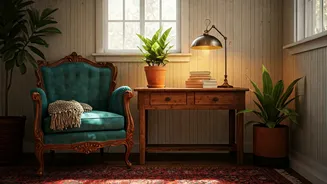


The Classic Meets the Bold
First, let's define our terms. Maximalism is a design philosophy that champions "more is more." It's a curated, intentional celebration of colour, texture, and personal objects, creating a space that feels layered and full of stories. Then there's damask.
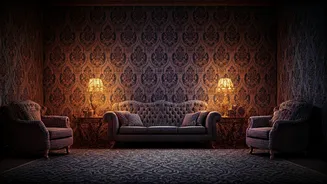
Not just a pattern but a weaving technique with a history stretching back over a thousand years, it originated in China and was famously traded along the Silk Road. The name comes from Damascus, the city where European traders first encountered it. Traditionally, damask patterns are monochromatic and reversible, created by the contrast between a matte background and a glossy, satin-woven motif, often featuring stylized, symmetrical flowers and leaves. This technique gives the fabric a unique depth as the pattern shimmers and shifts in the light.
A Rich History, A Fresh Look
Damask has always been synonymous with luxury. Originally woven from silk, it was reserved for royalty and nobility, adorning palaces and the wardrobes of kings like Henry VIII. The invention of the Jacquard loom in the 19th century made the complex weave more accessible, but its association with opulence and tradition remained. So, why is it having a moment now, in the midst of a very modern trend? Today's maximalism isn't about clutter; it's about creating personal, meaningful interiors. After years of sparse, neutral spaces, there's a collective desire for homes that offer comfort, personality, and visual delight. Damask fits perfectly into this narrative, bringing with it a sense of history and handcrafted artistry.
Rebelling Against the Beige
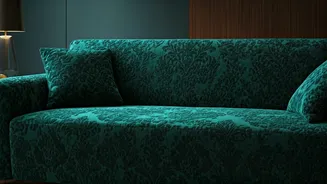
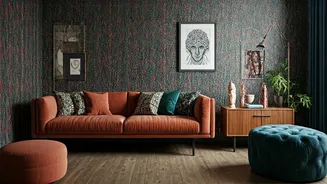
The return of damask is part of a larger rebellion against the clean, impersonal aesthetic that dominated the 2010s. Social media is filled with homeowners proudly rejecting beige in favour of bold colour and pattern. This new wave of maximalism is personal and expressive. It’s a design choice that is less about following prescriptive rules and more about surrounding yourself with things that bring joy. In this context, damask is being rediscovered and reinterpreted. Modern designers are playing with its scale and colour, offering it in electric blues, fuchsias, and deep greens. Some, like the design house Timorous Beasties, even subvert the traditional motifs with skulls and inkblots, giving the classic pattern a contemporary edge.
How to Weave It In
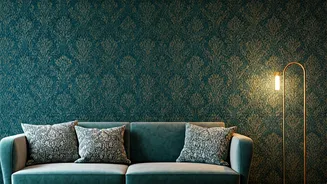
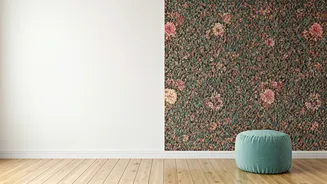
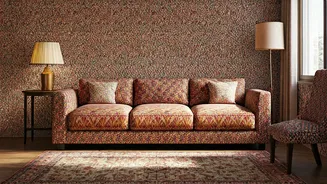
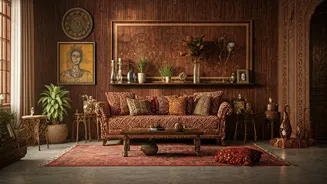
Embracing damask within a maximalist scheme doesn't mean you have to cover every surface. In fact, modern maximalism is more curated than chaotic. The key is layering. You can start small with accent pieces like throw pillows or an upholstered footstool to introduce the pattern without overwhelming a room. A statement rug in a damask pattern can anchor a living space, while damask bedding can bring a touch of luxury to the bedroom. For a bolder approach, a feature wall with damask wallpaper can create a dramatic focal point. The trick is to balance its ornate quality with other elements. Pair a traditional damask wallpaper with modern furniture for a chic contrast, or use a bold, colourful damask print to energize a neutral space.
More Than a Pattern
Ultimately, the resurgence of damask in maximalist design speaks to a desire for richness that goes beyond the visual. It's about a richness of history, of texture, and of storytelling. In a world that often feels fast and disposable, there's a growing appreciation for things with permanence and pedigree. Damask, with its deep roots and intricate craftsmanship, offers a connection to the past. When combined with the personal and expressive freedom of maximalism, it doesn't feel old-fashioned or stuffy. Instead, it feels timeless, adding a layer of soul and sophistication that makes a space feel not just decorated, but truly lived in. It provides a visual depth that flat surfaces cannot, creating spaces that feel complete, comfortable, and full of character.