



The Magic of 'Black Gold'
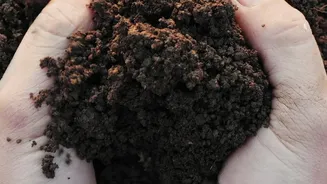
Compost is often called 'black gold' by gardeners for a very good reason. It's a powerhouse of nutrients and beneficial microbes that breathes life back into soil. When you add compost to your potted plants or balcony garden, you are doing more than just
feeding them; you are fundamentally improving the soil's structure and health. This dark, crumbly, earthy-smelling material helps sandy soils retain water and breaks up heavy clay soils, allowing plant roots to grow stronger. It acts like a natural sponge, reducing your need to water frequently, and enriches the soil with essential nutrients like nitrogen, phosphorus, and potassium. This reduces or even eliminates the need for chemical fertilizers, creating a healthier environment for your plants and a more resilient garden ecosystem. By creating compost, you are not just recycling waste; you are creating a vital resource that supports vibrant plant life.
Choosing Your Urban Composting Method
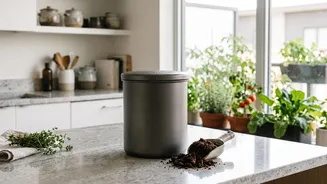
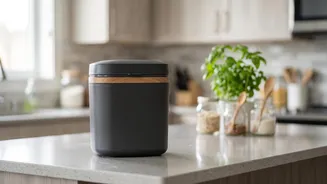
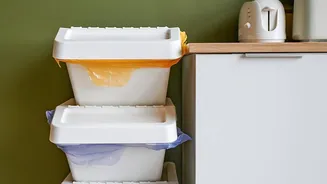
Living in a city apartment or a home with limited space doesn't mean you can't compost. Several methods are perfectly suited for urban environments. Traditional bin composting can be done on a balcony using a ventilated container. For those without outdoor space, vermicomposting, or worm composting, is an excellent indoor option. It's odour-free when managed correctly and uses red wiggler worms to break down food scraps into nutrient-rich castings. The worms thrive at room temperature, making it a perfect year-round solution for apartments. Another popular and fast method is Bokashi composting. This Japanese technique uses a special inoculant (bran) to ferment kitchen waste, including meat and dairy, in an airtight bucket. The fermentation process is quick and doesn't produce foul smells, making it ideal for indoor use. While the end product is a 'pre-compost' that needs to be buried in soil to fully decompose, the initial stage happens right in your kitchen.
What to Compost (And What to Avoid)
Successful composting relies on a good balance of 'greens' and 'browns'. 'Greens' are nitrogen-rich materials that provide moisture, while 'browns' are carbon-rich materials that add bulk and allow air to circulate. For every part of greens you add, you should aim to add two to three parts of browns. Greens (Nitrogen-Rich): - Fruit and vegetable peels and scraps - Coffee grounds and tea leaves/bags (paper ones) - Crushed eggshells - Fresh plant trimmings Browns (Carbon-Rich): - Dried leaves - Shredded newspaper or cardboard (not glossy) - Cocopeat or sawdust - Straw or hay Equally important is knowing what to keep out of a standard compost bin to avoid bad smells and pests. Avoid adding meat, fish, dairy products, bones, and oily or greasy foods. However, a Bokashi system is an exception, as it is designed to handle these types of food scraps safely.
The Process: From Scraps to Soil in Weeks
The headline's promise of 'in weeks' is achievable, especially with methods like Bokashi or a well-managed hot compost pile. With Bokashi, you add food scraps and a sprinkle of bran to an airtight bucket. Once the bucket is full, you seal it and let it ferment for about two weeks. After this fermentation, the 'pre-compost' can be buried in a larger pot or garden bed, where it breaks down into usable soil in another few weeks. For a more traditional compost bin, speed depends on management. Chop scraps into smaller pieces to increase surface area for microbes to work on. Maintain a moisture level similar to a wrung-out sponge and turn the pile every week or two to aerate it. An actively managed, well-balanced pile can produce finished compost in as little as three to five months, while passive or cold composting can take a year or more. Vermicomposting can yield results in about two to three months.
Harvesting and Using Your Homemade Compost
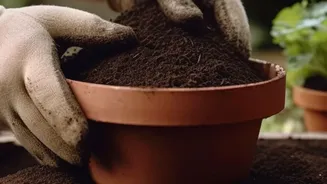
You'll know your compost is ready when it is dark, crumbly, and has a pleasant, earthy smell. Most of the original materials should be unrecognisable. To use it, you can simply mix it into the top few inches of soil in your existing pots to give your plants a nutrient boost. You can also use it as a key ingredient in your own potting mix for new plants, blending it with cocopeat and soil. A layer of compost on top of the soil can also act as a mulch, helping to retain moisture and suppress weeds. The worm castings from a vermicomposting system are particularly potent and can be used as a top dressing for houseplants. By closing the loop from kitchen to garden, you’re not just growing plants; you're cultivating a more sustainable lifestyle, one scrap at a time.