
The Nutrient Bioavailability Puzzle
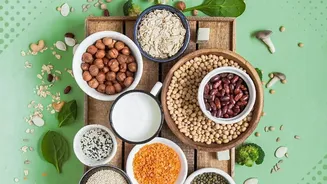
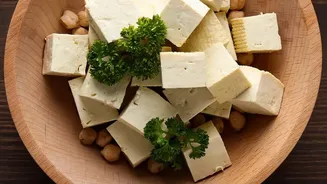
Plant-based foods like lentils, beans, spinach, and tofu are packed with essential nutrients. However, simply eating these foods doesn't guarantee your body can use everything they offer. This is where the concept of 'bioavailability' comes in. Bioavailability
refers to how much of a nutrient your body can actually absorb and use. Plant foods contain compounds like phytates and oxalates that can bind to minerals and make them harder for your body to access. Think of it like a locked treasure chest; the nutrients are inside, but your body sometimes needs a key to open it. This is especially true for non-heme iron, the type of iron found in plants, which is naturally less available to our bodies than the heme iron found in animal products.
Your Nutritional Sidekick: Vitamin C
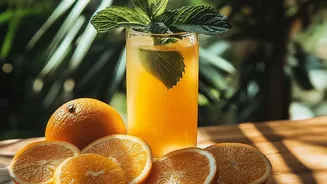
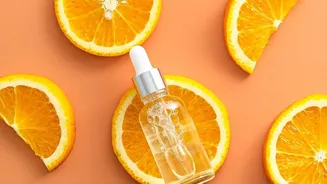
This is where Vitamin C, also known as ascorbic acid, comes to the rescue. It acts as a powerful enhancer for the absorption of non-heme iron. The science is quite elegant: plant-based iron is typically in a form called ferric iron (Fe3+), which our gut struggles to absorb. Vitamin C works its magic by converting this iron into the much more soluble ferrous form (Fe2+), which our bodies can easily take in. It also helps by forming a protective bond with the iron, keeping it soluble and preventing it from being blocked by those aforementioned inhibitors like phytates. So, while the headline focuses on 'plant-based protein foods', the most significant, scientifically-backed benefit of adding Vitamin C is dramatically increasing the iron you get from these protein-rich sources.
Why Boosting Iron Matters
Optimizing your iron intake is crucial for overall health and vitality. Iron is a key component of hemoglobin, the protein in red blood cells that carries oxygen from your lungs to the rest of your body. When your iron levels are adequate, you're more likely to feel energetic and focused. Low iron can lead to feelings of fatigue, weakness, and difficulty concentrating. For those on plant-based diets, ensuring efficient iron absorption is one of the keys to thriving. By simply adding a source of Vitamin C to your meals, you are directly supporting your body’s energy production, cognitive function, and immune health. Studies have shown that adding Vitamin C can increase iron absorption by a significant margin, in some cases making it several times more effective.
Smart Pairings for Your Plate
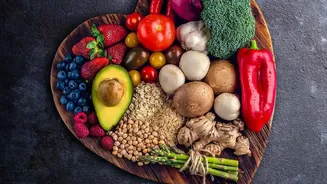
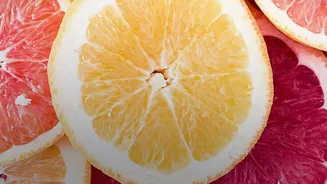
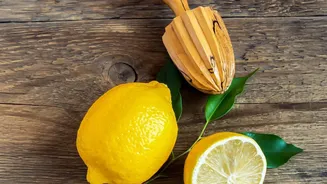
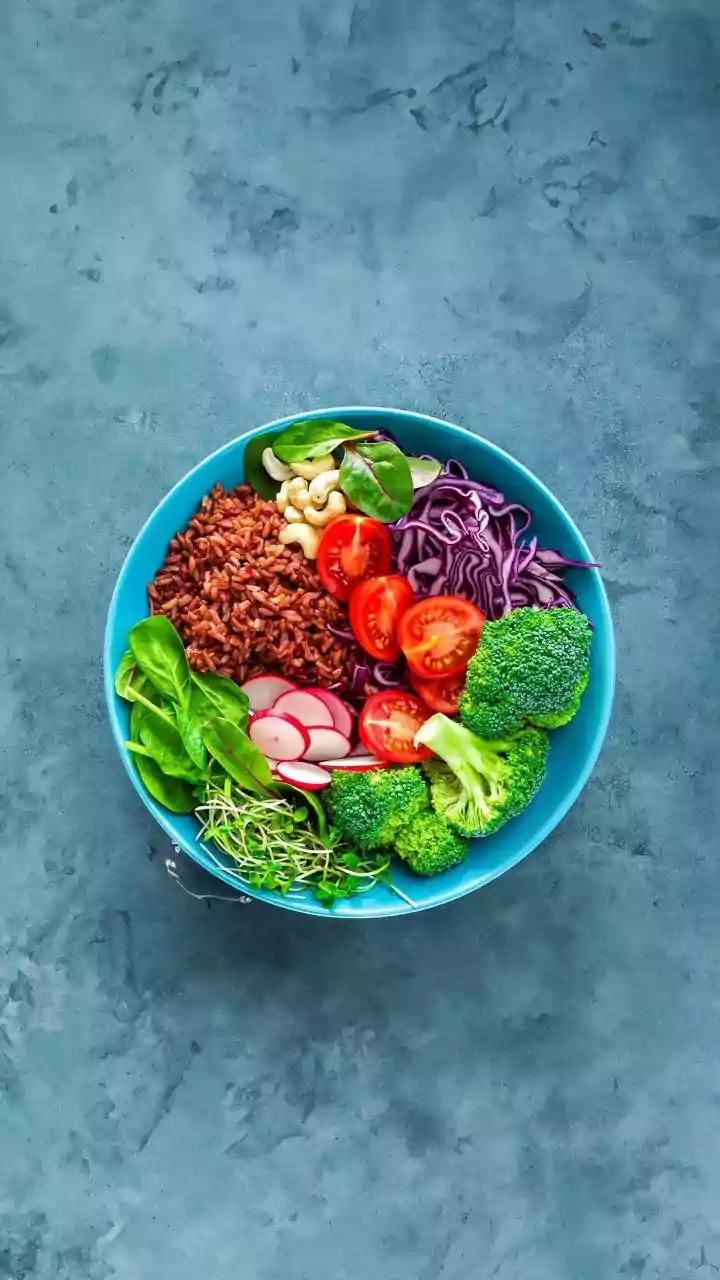
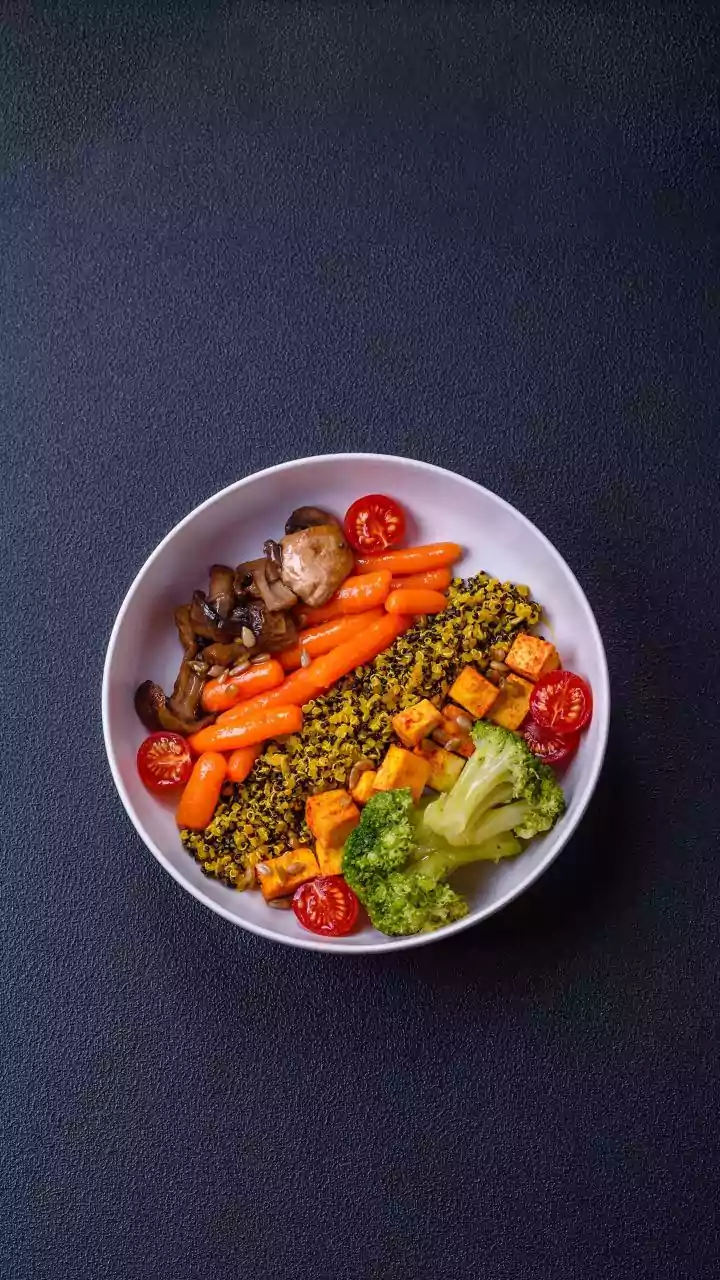
Putting this nutritional strategy into practice is both easy and delicious. The goal is to combine an iron-rich plant food with a Vitamin C-rich fruit or vegetable in the same meal. The possibilities are endless and open up a world of flavour combinations. Good sources of Vitamin C include citrus fruits, bell peppers, strawberries, tomatoes, broccoli, and dark leafy greens like kale. Here are some simple and effective pairings to get you started: - Lentils and Tomatoes: A classic combination. Think lentil soup with a rich tomato base or a dal with a squeeze of fresh lemon juice before serving. - Tofu and Broccoli: A tofu stir-fry becomes even more nutritious when you load it up with broccoli and red bell peppers. - Spinach and Strawberries: Elevate a simple spinach salad by adding sliced strawberries and a citrus-based vinaigrette. - Chickpeas and Bell Peppers: Whip up a hummus and enjoy it with colourful slices of red, yellow, and orange bell peppers. - Oatmeal and Berries: Top your morning bowl of iron-fortified oatmeal with a generous handful of fresh strawberries or raspberries.