
Rewards and Benefits: The Long Game
Credit cards have a clear advantage when it comes to earning rewards. Most cards offer cashback, reward points, travel miles, or access to airport lounges. These perks are designed for higher-value spending on things like electronics, travel, or planned
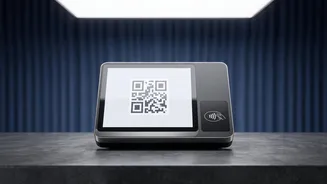
online shopping. While some UPI apps provide occasional promotional cashback, these are less consistent than the structured reward programs of credit cards. However, the rise of UPI-linked credit cards, primarily on the RuPay network, is changing this. These cards let you earn rewards on small, everyday QR code payments, a territory where traditional cards were rarely used. Still, the reward rates on UPI-based credit card transactions may be lower than those for traditional swipes, and some premium benefits might be excluded.
Security and Fraud Protection
This is a critical, and often misunderstood, differentiator. When you use UPI linked to a bank account, a fraudulent transaction means your money is gone instantly. While there are dispute mechanisms, getting the money back can be a slow process. Credit cards offer a significant safety buffer. Since you are spending the bank's money (a line of credit), your own savings are not immediately at risk. Credit card issuers have robust, well-established procedures for investigating disputes and fraudulent charges. In many cases of unauthorized use, the bank will issue a temporary credit while they investigate, and consumer liability is often limited, especially if the fraud is reported quickly. This makes credit cards a safer option for online transactions or payments to unfamiliar merchants.
Impact on Your Financial Health
UPI payments, being direct debits from your bank account, have no impact on your credit score. They are like using a digital debit card. Credit cards, on the other hand, are powerful tools for building a financial identity. Every time you use your credit card and pay the bill on time, you are building a positive repayment history. This is a crucial factor in your credit score, which lenders use to assess your eligibility for future loans. However, this comes with a responsibility. High credit utilisation—using a large portion of your available credit limit—can negatively impact your score, even if you pay on time. Linking a credit card to UPI can make it easy to overspend on small, frequent transactions, potentially driving up your utilisation ratio without you realising it.
Dispute Resolution and Chargebacks
If a product isn't delivered or a service isn't rendered, a credit card offers a powerful remedy: the chargeback. You can dispute the charge with your bank, which then takes up the issue with the merchant network. This consumer protection is a cornerstone of credit card usage. Disputing a UPI transaction is a different experience. While NPCI has set up a dispute redressal mechanism, it is primarily designed for technical failures like an amount being debited but not credited to the beneficiary. Resolving a dispute about service quality or non-delivery of goods is much more complex with UPI, as the payment is considered a direct bank-to-bank transfer and is often irreversible.
Budgeting and Spending Habits
The choice between UPI and credit cards can also have a psychological impact on your spending. With UPI, money leaves your account immediately, making each expense highly visible. This can be an effective tool for people who want to maintain strict control over their budget. Credit cards create a delay between the purchase and the payment. All your monthly spends are consolidated into a single bill, which can be useful for tracking but can also create a false sense of having more money available. This can lead to overspending for those who are less disciplined with tracking their deferred expenses.