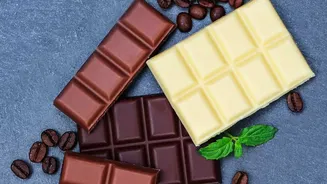






A Revolution in Taste
There was a time when the pinnacle of chocolate indulgence in India was a familiar, mass-produced bar or a prized triangular import. Today, the conversation has shifted dramatically. The new benchmark for quality isn't a European brand, but a bar with
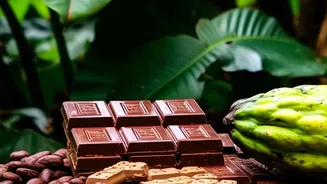
roots in the soils of South India. The Indian artisanal chocolate market is experiencing a significant boom, projected to grow at over 11% annually, outpacing the broader market. This growth is driven by a new wave of chocoholics who are looking beyond sweetness and nostalgia, seeking complexity, quality, and a story they can connect with. They are finding it in the burgeoning world of single-origin, bean-to-bar chocolates, a movement with its heart firmly in the southern states.
Bean-to-Bar and Single-Origin Explained
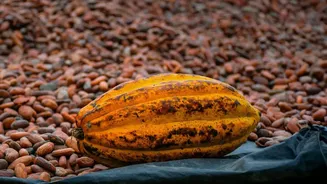
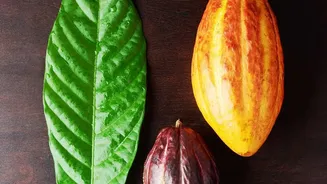
To appreciate this trend, it's essential to understand the terminology. 'Bean-to-bar' means the chocolate maker controls the entire process, from sourcing the raw cacao beans to roasting, grinding, and moulding the final bar. This meticulous oversight allows for far greater quality control and flavour development. 'Single-origin' takes this a step further, meaning all the beans for a particular bar come from a specific farm or region. Much like single-malt whisky or single-estate coffee, this practice allows the unique 'terroir'—the environment, soil, and climate—to shine through. The result is not just chocolate, but a taste of a specific place, a snapshot of the land where the cacao was grown.
The Terroir of South India
South India, particularly states like Kerala, Karnataka, Tamil Nadu, and Andhra Pradesh, provides the perfect tropical climate for cacao cultivation. Cacao here is often intercropped with coconut, areca nut, pepper, and bananas. This biodiverse environment has a subtle but profound influence on the flavour of the beans. Cacao from Kerala, for instance, can have bright, fruity notes with hints of spice, while beans from Karnataka might offer a nuttier profile. Brands like Soklet, grown at the foothills of the Anamalai hills in Tamil Nadu, and Naviluna, which uses beans from Karnataka, are celebrated for showcasing these distinct regional characteristics. Foodies are discovering that Indian cacao can be incredibly complex, with flavour notes ranging from fruity and floral to earthy and spicy.
The Artisans Behind the Bar
This movement is spearheaded by a passionate group of artisans and entrepreneurs. Pioneers like Mason & Co, based in Auroville, Naviluna (formerly Earth Loaf) in Mysuru, and Soklet in Coimbatore have been instrumental in establishing India's craft chocolate scene. They work directly with farmers, often paying a premium for high-quality, organically grown beans, ensuring both sustainability and ethical sourcing. These makers are not just producing chocolate; they are storytellers. The packaging often details the origin of the beans and the flavour notes to expect. Brands like Paul & Mike have won international awards for their innovative bars, infusing fine chocolate with distinctly Indian flavours like jamun and sitaphal, further cementing India's place on the global craft chocolate map.
A Conscious Consumer Choice
Ultimately, the shift towards South Indian single-origin chocolates is part of a larger cultural trend. Indian consumers are becoming more conscious about what they eat. They want to know where their food comes from, who made it, and how it was produced. Choosing a bar from Manam in Hyderabad or Pascati in Mumbai is not just a culinary decision; it's a vote for local agriculture, sustainable practices, and small businesses. It represents a move away from generic, mass-produced goods towards products that are authentic, transparent, and have a unique identity. This isn't just about chocolate being a luxury; it's about the luxury of knowing its story.