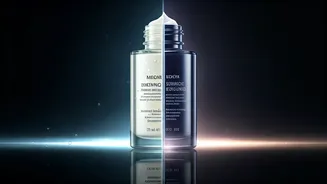









Your Skin's Daily Rhythm
Just like you, your skin operates on a 24-hour cycle, often called its circadian rhythm. During the day, your skin is in protection mode, defending itself against environmental stressors like UV rays, pollution, and dirt. At night, it switches into repair
mode. This is when the magic happens: cell regeneration and turnover increase, and the skin works to repair damage accumulated during the day. Aligning your skincare routine with this natural rhythm means giving your skin the right tools for the job at the right time, which is why using the same products around the clock can limit your results.
The Morning Mission: Protect and Defend
The primary goal of your morning routine is protection. After a gentle cleanse to remove any oil and sweat from the night, your focus should be on products that shield your skin. This is where antioxidants come into play. Vitamin C is a morning superstar for a reason; it helps neutralize free radicals from pollution and sun exposure, brightens the skin, and works in tandem with your sunscreen. A lightweight moisturizer will hydrate without feeling heavy. The most critical, non-negotiable step is a broad-spectrum sunscreen with at least SPF 30. This is your best defense against premature aging and skin damage. Using heavy night creams or potent treatments in the morning can feel greasy, interfere with makeup, and in some cases, make your skin more sensitive to the sun.
The Night Shift: Repair and Regenerate
At night, your routine should focus on cleansing, treating, and deep hydration. Start with a thorough cleanse—sometimes a double cleanse using an oil-based remover followed by a water-based cleanser—to remove all traces of makeup, sunscreen, and daily grime. This is the ideal time for active, reparative ingredients. Retinoids (like retinol) are a nighttime hero, known for accelerating cell turnover, stimulating collagen, and improving skin texture. However, they make your skin more sensitive to sunlight, which is why they are reserved for your PM routine. Other beneficial nighttime ingredients include exfoliating acids (like AHAs), peptides for firming, and ceramides to strengthen the skin barrier. Night creams are typically thicker and richer than day creams, designed to lock in moisture and support the skin's restorative processes while you sleep.
What Happens If You Switch Them?
Using a night cream during the day isn't a disaster, but it's not ideal. You’ll miss out on crucial SPF protection, and the heavy formula can feel greasy, clog pores, and cause makeup to slide off. More concerning is using daytime products at night. While not harmful, you’ll be missing the opportunity to use more potent, restorative ingredients that work best while you sleep. The biggest mistake is using photosensitizing ingredients like retinoids or AHAs in the morning without adequate sun protection. This can leave your skin vulnerable to sun damage and irritation, effectively undoing their benefits. Sticking to a dedicated AM and PM routine ensures you are both protecting your skin from future damage and repairing the day’s wear and tear.