





Why Warrior II Is Your Ally Against Tight Hips
Virabhadrasana II, or Warrior II, is a foundational standing yoga pose renowned for its ability to build strength and stability. More importantly for desk workers, it is a potent hip-opener. When you sit for long periods, your hip flexors—the muscles
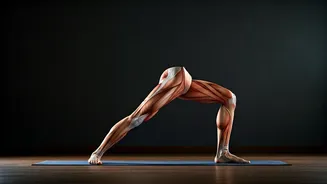
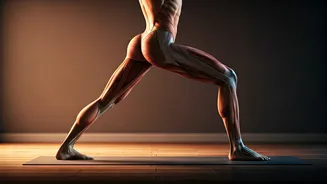
at the front of your hips—remain in a shortened position, leading to tightness. Warrior II directly counters this by stretching the inner thighs (adductors) and groin of the bent leg, while also lengthening the hip flexors of the straight back leg. This dual action not only improves hip mobility but also strengthens key supporting muscles like the glutes and quadriceps. A well-aligned Warrior II encourages external rotation in the front hip and extension in the back hip, creating space and relieving the tension that contributes to lower back discomfort.
A Step-by-Step Guide to Warrior II
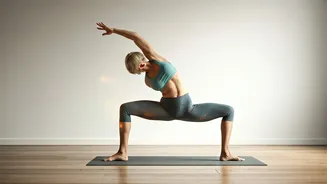
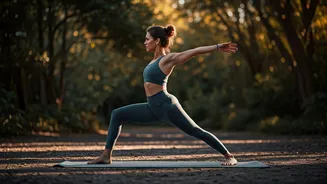
Finding the correct form is crucial to reaping the benefits and preventing injury. Follow these steps to enter the pose with confidence:1. Start by standing on your yoga mat facing the long edge, with your feet wide apart—roughly as wide as your wrists when you extend your arms to the sides.2. Rotate your right foot 90 degrees so your toes point to the front of the mat. Turn your left foot slightly inward, about 15 to 45 degrees. Aim to align the heel of your front foot with the arch of your back foot.3. Inhale and lift your arms parallel to the floor, reaching actively from fingertip to fingertip with your palms facing down.4. As you exhale, bend your right knee until it is directly over your right ankle. Try to get your front thigh as parallel to the floor as your body comfortably allows, without letting the knee drift past the ankle.5. Press firmly into the outer edge of your back foot to keep the back leg straight and engaged. Your torso should remain centered over your hips, not leaning forward.6. Turn your head to gaze softly over your front fingertips. Hold the pose for 5-10 deep breaths before straightening the leg and repeating on the other side.
Fine-Tuning Your Form for Maximum Benefit
Small adjustments can make a big difference. Keep your shoulders relaxed and down, away from your ears, and ensure they are stacked directly over your hips. Engage your core by drawing your navel toward your spine to support your lower back and keep it long. While the front leg's hip opens externally, think about keeping the back leg's hip slightly engaged to maintain stability. Distribute your weight evenly between both feet, ensuring you aren't collapsing all your weight onto the front leg. The goal is to feel strong and stable, a balance of effort and ease. Don't force your hips to be perfectly “square” to the side of the mat; allow a slight natural turn forward to protect your joints.
Common Mistakes to Avoid
Even seasoned practitioners can fall into bad habits. One of the most common errors is allowing the front knee to collapse inward. This puts unnecessary strain on the knee joint. To correct this, actively press your knee toward the pinky-toe side of your foot, engaging your outer hip muscles. Another frequent mistake is leaning the torso forward, creating a “running warrior.” Keep your spine long and your shoulders stacked directly over your hips. Also, be mindful of your shoulders creeping up toward your ears; consciously relax them down your back. Finally, ensure your stance isn't too short, which limits the hip-opening benefits, or so wide that you lose stability and form.
Modifications for Every Body
Yoga is about fitting the pose to your body, not the other way around. If you have very tight hips, you don’t need to bend your front knee to a full 90-degree angle. A shallower bend is perfectly fine. You can also shorten your stance to decrease the intensity. If aligning your front heel to your back arch feels unstable or strains your hips, try a wider, heel-to-heel alignment instead. For those with extra tight hips, turning the back foot in a bit more (from 90 degrees to 75-80 degrees) can provide relief without sacrificing the pose's integrity. If you experience any shoulder discomfort, you can keep your hands on your hips to focus on the lower body alignment.