








A Monsoon Romance
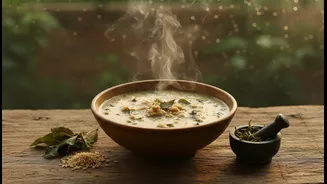
The connection between the Indian monsoon and the combination of chai and pakoras is more than just a habit; it's a cultural ritual.. The first rains signal a relief from scorching summer heat, and the cooler, damp weather creates a cozy atmosphere..
This experience is deeply sensory, involving the sound of rain, the smell of wet earth (petrichor), and the comforting warmth of a hot snack and beverage.. For many, this pairing is steeped in nostalgia, evoking cherished memories of childhood, family gatherings, and lazy afternoons spent watching the rain.. This powerful association, reinforced over years, transforms a simple meal into an act of comfort and tradition, making the craving feel almost instinctual..
The Science of the Craving
This powerful urge isn't just in your head; there's a fascinating interplay of psychology and biology at work. When it rains, the drop in temperature makes our bodies naturally seek out warm, calorie-dense foods to maintain internal warmth.. Furthermore, gloomy, overcast weather can lead to a dip in serotonin, the brain's 'happiness' neurotransmitter.. To counteract this, our brain craves carbohydrates and fats, which can help boost serotonin and dopamine, the 'pleasure' chemical, providing a temporary mood lift and a feeling of well-being.. Fried foods, in particular, contain tryptophan, which the brain uses to produce serotonin, making that plate of pakoras scientifically appealing on a dreary day..
Deconstructing the Classics
While delicious, the traditional duo comes with nutritional considerations. A standard serving of deep-fried pakoras is high in calories, unhealthy fats, and sodium.. While the besan (gram flour) offers some protein and fibre, the deep-frying process largely negates these benefits. Similarly, classic masala chai is often brewed with whole milk and a generous amount of sugar, adding to the calorie count.. A single cup with milk and sugar can contain over 100 calories.. However, it's not all bad news. The spices in chai, like ginger, cardamom, and cinnamon, are rich in antioxidants and have anti-inflammatory properties that can aid digestion.. The key is to understand the components and make smarter choices.
The Smart Pakora Makeover
You don't have to give up pakoras; you just need to reinvent them. The biggest culprit is deep-frying, so the smartest switch is to use an air fryer or bake them in the oven.. This method dramatically reduces the oil content while still achieving a satisfying crunch.. To make them even healthier, load the batter with more vegetables like spinach, carrots, and cabbage. You can also enhance the nutritional profile by mixing besan with other flours like rice flour for extra crispiness or oat flour for more fibre.. A pinch of baking soda can also help create a lighter, fluffier texture without the need for excess oil..
Reimagining Your Cup of Chai
Giving your daily chai a healthy makeover is simple. The easiest first step is to reduce or eliminate refined sugar. You can switch to natural sweeteners like jaggery or honey, but remember to add them after brewing to preserve their nutrients.. Alternatively, try using date paste or whole dates while brewing for a naturally sweet flavour.. If you enjoy milky chai, consider using plant-based milks like soy, oat, or cashew milk, which are lower in saturated fat.. You can also brew a 'black masala chai' without any milk at all, allowing the complex flavours of the spices to shine through.. This lets you enjoy all the digestive and anti-inflammatory benefits of the spices without the extra calories from milk and sugar..