



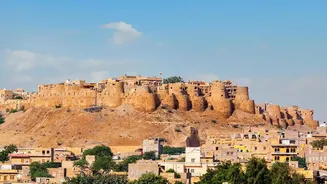
Plan Your Photographic Route
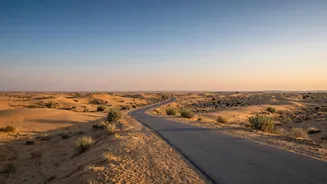
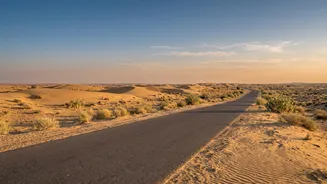
A road trip is perfect for photography, allowing you to stop whenever inspiration strikes. Some of the most scenic routes offer a mix of desert landscapes, heritage sites, and rural life. The drive from Jodhpur to Jaisalmer (via NH11) is a classic, taking
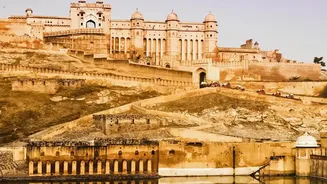
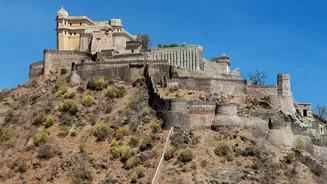
you deep into the Thar Desert's golden expanse. For a different flavour, the route from Udaipur to Mount Abu (NH27) winds through the Aravalli Hills, offering lush scenery and cinematic views. Another excellent option is the Jodhpur to Udaipur journey via Kumbhalgarh, which is considered one of the most culturally rewarding drives, passing through scenic valleys and past the immense Kumbhalgarh Fort. Well-maintained highways make these drives comfortable, but the real magic lies in the ability to pull over for a unique shot of camels against the dunes or a vibrant village market.
Pack the Essential Camera Gear
While any camera can take good pictures, the right gear will help you make the most of Rajasthan's diverse landscapes. A wide-angle lens (like a 16-35mm or 24-70mm) is crucial for capturing the vastness of the desert and the grandeur of forts. A telephoto lens (70-200mm) is invaluable for compressing landscapes, creating dramatic compositions, and capturing portraits of locals or wildlife from a respectful distance. A sturdy tripod is non-negotiable, especially for shooting in the low light of early mornings and late evenings. Don't forget a circular polariser to reduce glare and enhance the blue skies, and graduated neutral density (GND) filters to balance the bright sky with the darker foreground. Finally, protect your equipment from sand and dust with a good camera bag, lens hoods, and a rocket blower for cleaning.
Master the Golden and Blue Hours
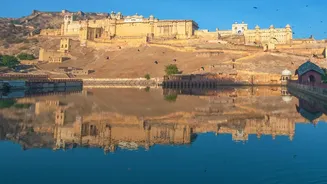
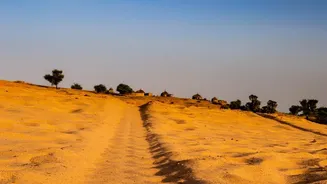
The most important rule in landscape photography is to shoot during the 'golden hours'—the first hour after sunrise and the last hour before sunset. During these times, the light is soft, warm, and casts long, dramatic shadows that reveal the texture of sand dunes and ancient architecture. Arrive at your chosen location at least 30 minutes before sunrise or sunset to set up and capture the full spectrum of changing colours. Early winter mornings in Rajasthan often bring a cool 'blue hour' just before sunrise, which can lend a serene and moody feel to your images, especially around water bodies like Lake Pichola in Udaipur or Pushkar Lake.
Embrace the Winter Mist and Fog
Early winter (November to early January) often blesses Rajasthan with morning fog, especially in the regions around the Aravalli Hills and near lakes. This isn't a hindrance; it's a gift. Fog softens the harsh desert light, simplifies busy scenes, and adds a layer of mystery and atmosphere. To capture it effectively, use a telephoto lens to compress the layers of fog and isolate subjects like a lone tree or a distant fort. Because fog reduces contrast and light, using a tripod is essential to allow for slower shutter speeds without camera shake. Don't be afraid to shoot directly into the light (backlighting) as the sun breaks through the mist; this can create ethereal, glowing effects.
Compose with Intent
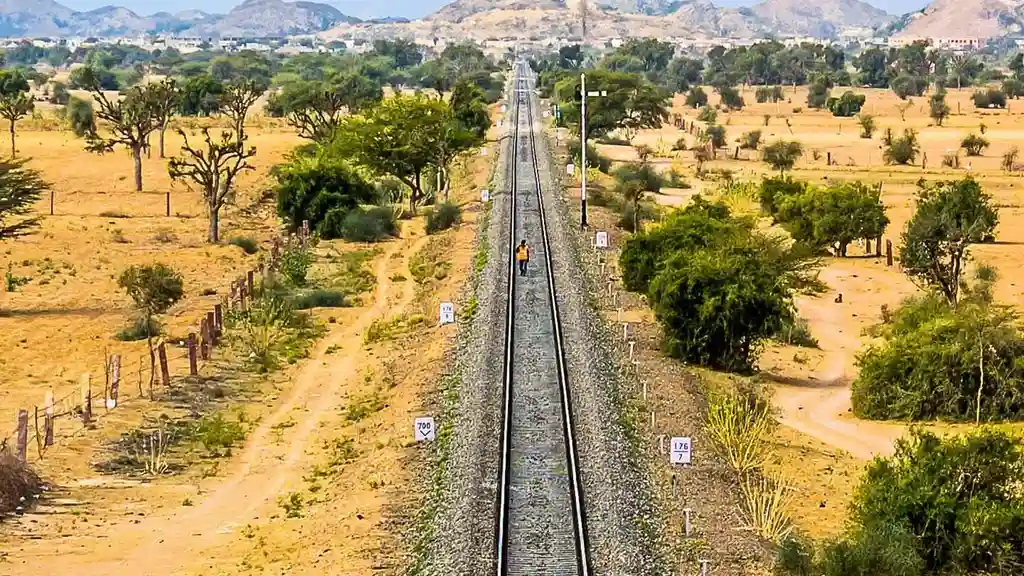
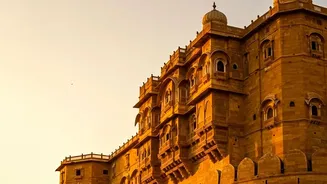
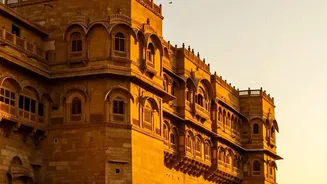
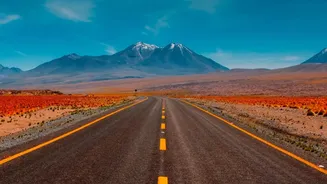
Look for strong compositional elements to make your photos stand out. The highways themselves can act as powerful leading lines, guiding the viewer's eye into the frame. Look for S-curves in roads or rivers to create a sense of flow. In cities like Jodhpur, use the contrast between the blue houses and the arid landscape. At forts and palaces, frame the grand architecture with ornate windows or archways. When photographing the vast desert, include a person or a camel to add a sense of scale and a focal point to an otherwise empty scene. Always ask for permission before taking close-up photos of people to ensure your interactions are respectful.