


The End of the Photo-Op Holiday
For decades, the mark of a successful holiday was a photo album filled with famous landmarks. The Eiffel Tower, the Taj Mahal, the Colosseum—each was a trophy to be collected. Today, a growing number of travellers are trading this 'seen it, done that'
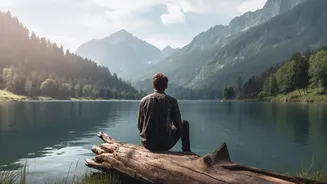
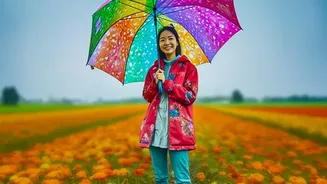
approach for something deeper. They are prioritising experiences over simple sightseeing. This change reflects a move away from rushed itineraries towards a slower, more intentional form of travel that values personal growth and genuine cultural immersion. The perfectly curated social media feed is losing its lustre, replaced by a desire for stories, for moments of spontaneous joy, and for the kind of memories that cannot be captured by a camera but are etched in the mind.
Why Connection Trumps Scenery
The psychology behind this shift is compelling. Our brains are not designed to record experiences like a camera; they reconstruct memories, giving prominence to moments of high emotion. Research consistently shows that emotionally charged experiences, particularly those involving social connection, are remembered with far greater clarity and fondness. A pleasant week on a beach might feel good, but it’s the unexpected conversation with a local fisherman or sharing a meal with a host family that creates a lasting psychological imprint. These interactions fulfil a fundamental human need for belonging and relatedness, turning a simple trip into a meaningful life experience. Ultimately, the ultimate souvenir is a broader perspective.
A 'More Than Ever' Mindset
So why is this trend accelerating now, 'more than ever'? The post-pandemic world has left many with a renewed appreciation for human connection and a desire for more authentic living. After periods of isolation, travellers are seeking experiences that nourish the soul. Reports show a significant surge in experiential travel, with a focus on cultural immersion and personal growth. Furthermore, in a world saturated by digital interactions, there is a growing hunger for the real and the tangible. Travellers, especially younger generations like Millennials and Gen Z, are actively rejecting superficial tourism in favour of experiences that feel genuine and offer a chance for self-discovery. They want to see the world not just as a backdrop, but as a community to participate in.
What a Meaningful Encounter Looks Like
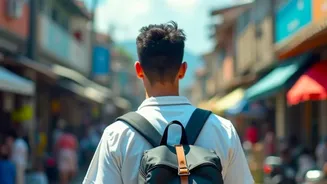
Meaningful encounters don't have to be grand, life-altering events. More often, they are small, serendipitous moments of shared humanity. It could be learning a few words of a local language and seeing someone’s face light up. It might be discovering a neighbourhood cafe away from the tourist trail and striking up a conversation with the owner. Perhaps it's taking a cooking class and learning the stories behind the dishes, or simply sharing a laugh with a stranger over a misunderstanding. These interactions break down cultural barriers and dismantle stereotypes, fostering empathy and a deeper understanding of the places we visit. They transform us from passive observers into active participants in the life of a destination.
How to Open the Door to Connection
You cannot schedule a meaningful encounter, but you can create the conditions for one to happen. It starts with a mindset of curiosity and openness. Slow down. Instead of rushing from one sight to another, linger. Spend an afternoon in a local park or market with no agenda. Choose a homestay or a guesthouse over a large, impersonal hotel. This not only benefits the local community but puts you in the rhythm of everyday life. Learn a few basic phrases of the local language; the effort is almost always appreciated. Ask open-ended questions to guides, artisans, and shopkeepers. Be present, put your phone away, and allow for the possibility of the unexpected. The journey itself, with all its unplanned detours, often becomes the most rewarding part.