

The Great Indian Spice Divide
In a country with a culinary landscape as diverse as India, spice tolerance is deeply personal. What one person considers a flavourful warmth, another might find overwhelmingly hot. Not all Indian food is fiery; many spices like turmeric, cardamom, and coriander
add aroma and complexity without heat. Yet, the presence of chillies means that at any family gathering or dinner party, you'll find a wide spectrum of preferences. This isn't just about taste; for many, excessive spice can lead to genuine discomfort. The social harmony of a shared meal often hinges on respecting these individual differences, yet the simple act of a misplaced serving spoon can unintentionally sabotage the experience for a guest with a lower tolerance for heat.
The Cardinal Sin: Why Spoon-Swapping Matters
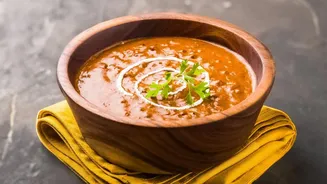
Dipping the spoon from the spicy mutton rogan josh into the creamy, mild dal makhani isn't just a minor slip-up; it's an act that can alter the very nature of a dish prepared with care. Firstly, it contaminates the flavour profile. A chef or home cook spends time balancing spices, and a cross-contaminating spoon introduces unintended heat and flavour, ruining the integrity of the milder dish. Secondly, it’s a matter of hygiene and consideration. The concept of 'jootha', or food contaminated by saliva, is deeply ingrained in Indian dining etiquette, and while a serving spoon isn't directly touching lips, moving it from dish to dish is seen as unhygienic by many. Most importantly, it disrespects the preferences and needs of fellow diners who may be actively avoiding the spicier options.
A Host's Guide to Peaceful Serving
A thoughtful host is one who anticipates the needs of their guests. When it comes to spice, communication and clear serving strategies are key. Before the party, it's always helpful to ask guests about any major dietary restrictions or preferences, including spice levels. During the meal, the simplest rule is the most effective: one spoon per dish, no exceptions. Ensure every bowl and platter has its own dedicated serving utensil. For a visual cue, consider using different types of spoons. Perhaps all the spicy dishes get a particular style of steel spoon, while the mild ones get another. Some hosts even use colour-coded silicone spoons or place small, discreet labels near the dishes—'Spicy', 'Medium', and 'Mild'—to guide guests and prevent any awkward moments.
Modern Tools for a Timeless Problem
Beyond simple discipline, modern kitchenware offers elegant solutions. A set of distinct serving spoons is a great investment. Instead of a uniform set, look for spoons with different handle designs, materials (like wood versus metal), or colours. Silicone utensils, for instance, come in a rainbow of colours, making it easy to assign a specific colour to spicy dishes. You can also provide spoon rests next to the serving bowls. This discourages guests from leaving a spoon in the dish, reducing the temptation for someone else to grab it for a different dish by mistake. For those who want to add extra heat, serving a potent chilli paste or freshly chopped green chillies in a separate small bowl with its own tiny spoon is a fantastic idea, allowing individuals to customise their own plates without affecting the main dish.
Navigating the Table as a Guest
As a guest, you also have a role to play. If you have a low tolerance for spice, it's perfectly acceptable to politely inquire about the heat level of a dish. Phrases like, "This looks delicious, is it very spicy?" are completely fine. When serving yourself, be mindful to return the spoon to its original dish. If you see someone else make a mistake, a gentle, quiet correction might be appropriate depending on your relationship, or you might simply choose to avoid the now-contaminated dish. If a dish turns out to be spicier than you anticipated, it is considered more polite to simply eat less of it and focus on other items rather than making a negative comment, as food is often a source of great pride for the host. A side of cooling raita or dahi is your best friend in these situations.