



The Real Cost of Forgotten Food
That forgotten bag of spinach or slightly stale bread isn't just a minor inconvenience; it's a major source of waste. In India, household food waste is a significant issue, with estimates suggesting the country wastes over 68 million tonnes of food annually.
This has a direct financial impact on your wallet and a much larger environmental one. When food ends up in landfills, it decomposes and releases methane, a greenhouse gas more potent than carbon dioxide. Essentially, when we waste food, we also waste the water, land, and energy used to produce and transport it. Taking stock of what you have is the first and most powerful step toward curbing this waste, ensuring the resources spent on your food—and your money—don't end up in the bin.
Your 10-Minute Kitchen Inventory
Before you even think of making a grocery list, conduct a quick audit of your kitchen. This doesn't need to be an hours-long deep clean. Spend just a few minutes scanning your refrigerator, freezer, and pantry. Pull items to the front that are nearing their expiration date or have already been opened. Create a dedicated 'Use-First' shelf or box in your fridge for these items, making them highly visible. Check your vegetable crisper for produce that's starting to wilt and your pantry for open packets of spices, grains, or snacks. Keeping a running list on your phone or a whiteboard on the fridge can help you track what you have and what you're running low on, preventing you from buying a third jar of ginger-garlic paste when two are already open.
From Leftover to 'Wow' Meal
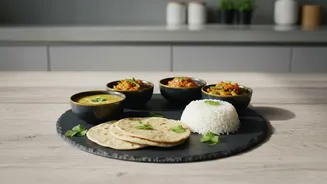
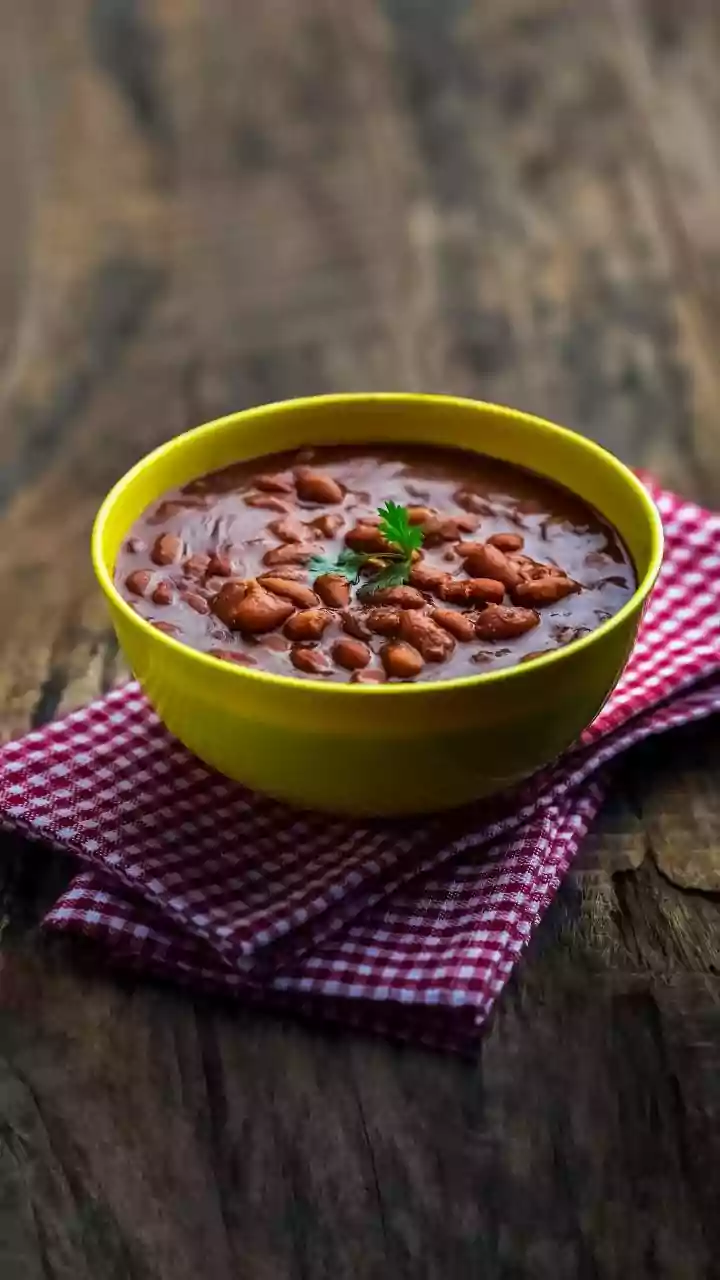
Leftovers are not a punishment; they are a head start on your next meal. Indian cuisine is particularly well-suited for repurposing. That bowl of leftover dal can be kneaded into flour to make flavourful parathas. Yesterday's plain rice is the perfect, slightly dry consistency for a delicious fried rice or tamarind rice. Small portions of cooked vegetables or sabzi can be rolled into a roti for a quick wrap, stuffed into a sandwich, or mixed into an omelette. Even leftover sambar can be repurposed. By viewing leftovers as ingredients rather than finished meals, you unlock a new level of creativity in the kitchen and ensure nothing goes to waste.
Build Meals Around What You Have
Once you know what needs to be used, shift your mindset from “What do I want to eat?” to “What can I make with what I have?”. This approach challenges you to build meals around your existing inventory. If you have half a cauliflower and some potatoes, 'aloo gobi' is a natural choice for tonight's dinner. That small amount of leftover chicken tikka can become the star of a wrap or a sandwich for lunch tomorrow. This strategy not only uses up food but also simplifies meal planning. Your grocery list then becomes a tool to supplement these meals, not build them from scratch. You'll find yourself buying fewer ingredients because you're shopping to complete meals, not just to fill a cart.
Shop Smarter, Not More
With a clear inventory and a few meal ideas based on your leftovers, your grocery list will write itself. It will be shorter, more focused, and far more intentional. Instead of buying everything for seven new dinners, you'll be picking up just a few items to round out what you already own—perhaps some fresh coriander to garnish the dal parathas or a lemon to liven up the rice. This method ensures that every item you bring into your home has a purpose. You'll go to the store less often, spend less money, and significantly reduce the chances of finding another forgotten, fuzzy vegetable in the back of your fridge next week.