







From Weather Reports to Your Wallet
For many, climate change has been an abstract concept—something about melting ice caps and distant polar bears. But the reality is now showing up in our local mandis and grocery bills. The 'climate signals' aren't just in scientific reports; they are the erratic
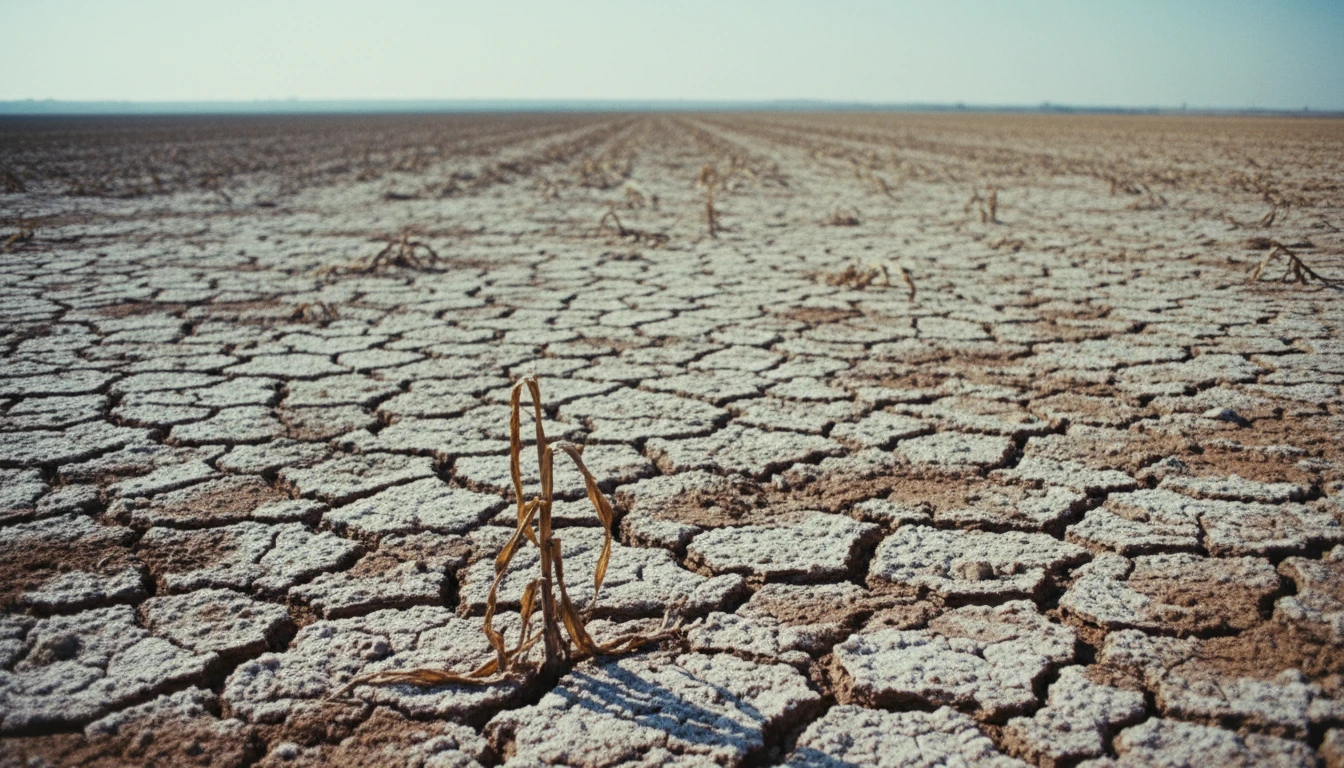
monsoons, brutal heatwaves, and unseasonal rains that are becoming increasingly common across India. These extreme weather events are no longer temporary shocks; they are becoming a recurring feature of our economy, systematically disrupting agriculture and driving up the cost of staple foods. The link is simple and devastating: when crops fail, supply shrinks, and prices rise for everyone.
The Unstable Trio: Tomato, Onion, Potato
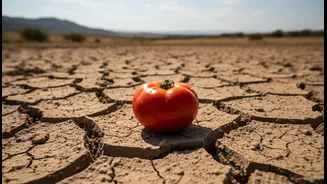
Think about the foundational ingredients of Indian cooking: tomatoes, onions, and potatoes (TOP). These three are particularly vulnerable to weather volatility. In recent years, we've seen this play out repeatedly. Heavy rains in key growing regions like Himachal Pradesh and Karnataka have decimated tomato crops, causing wholesale prices to jump dramatically. Unseasonal hailstorms in Maharashtra have damaged onion harvests, while frost and heatwaves in Uttar Pradesh and West Bengal have hit potato yields. According to studies by the Reserve Bank of India, changes in rainfall and temperature can each raise vegetable inflation by over a percentage point, a significant impact when food accounts for nearly half of the consumer price index.
Not Just a Farmer's Problem
This isn't a problem confined to rural India. It's a national issue with deep economic consequences. When food prices spike, it fuels overall inflation, squeezing household budgets and reducing purchasing power. For young Indians just starting their careers, building savings, or managing a household, this volatility is a major financial hurdle. What was once predictable seasonal price variation is now becoming chronic, making financial planning more difficult. The government's own Economic Survey has acknowledged that climate change is a key driver of high food inflation, affecting the production of vegetables and pulses. This makes food security a pressing economic concern for urban and rural populations alike.
Why Youth Are on the Frontline
India has the world's largest youth population, and this generation stands to inherit the long-term consequences of the climate crisis. The impact goes beyond just higher grocery bills. It touches on future economic stability, health, and quality of life. Many young Indians are already feeling the effects, with studies showing high levels of awareness and anxiety about climate change. This awareness is a powerful tool. By understanding the direct link between climate events and their cost of living, young people are uniquely positioned to drive change—not just as consumers, but as voters, innovators, and advocates.
What Does 'Watching' Mean?
Paying attention to climate signals means more than just tracking the weather. It means connecting the dots between environmental policy and economic reality. It involves making informed choices, from the food we buy to the leaders we support. This can mean supporting brands and agricultural practices that are more sustainable and resilient. It can also mean participating in the broader conversation about climate action, demanding better infrastructure like cold storage to reduce post-harvest losses, and advocating for policies that support farmers in adapting to new climate realities. The crisis is complex, but the first step is recognising that the fight against climate change is also a fight for our economic future.