



More Than Just a Condiment
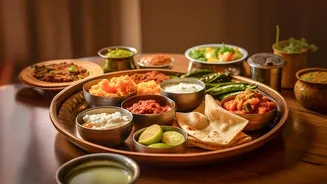
In most Indian households, a meal is incomplete without a small serving of pickle or chutney. This isn't just about adding a kick of flavour; it's a centuries-old practice rooted in culinary science and wellness. Traditionally, pickling was a method of preservation,
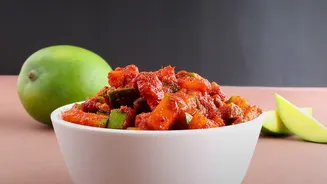
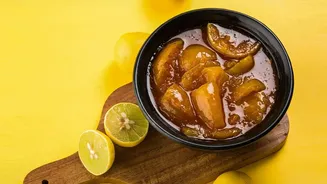
allowing seasonal fruits and vegetables to be enjoyed year-round. Unlike Western pickles that often rely on vinegar, Indian 'achaar' is typically preserved in oil and a potent blend of spices, which not only prevents spoilage but creates an intense concentration of flavour. Furthermore, many traditional pickles are fermented, a process that creates probiotics—beneficial bacteria that promote a healthy gut, aid digestion, and can even boost immunity. So, that spoonful of spicy mango pickle isn't just a treat for the taste buds; it’s a functional food that balances a meal and supports digestive health.
A Library of Regional Flavours
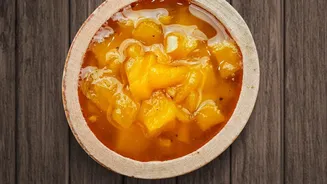
To speak of 'Indian pickle' is like saying 'European cheese'—it barely scratches the surface of the staggering diversity available. Each region of India has its own unique recipes, shaped by local produce and climate. In the south, Andhra Pradesh's 'Avakaya' is a fiery mango pickle made with mustard powder and sesame oil, packing a powerful punch. Travel west to Gujarat, and you'll find 'Chundo', a sweet and tangy shredded mango relish cooked with jaggery and spices until it resembles a jam. North India is famous for its pungent, mustard oil-based pickles, while Bengal has its own unique 'Kasundi', a fermented mustard sauce that is both sharp and complex. From the sour 'Gongura' pickle made with sorrel leaves in Andhra to the zesty lime pickles beloved across the country, this is a culinary library filled with thousands of stories and flavours.
The Modern Kitchen's Secret Weapon
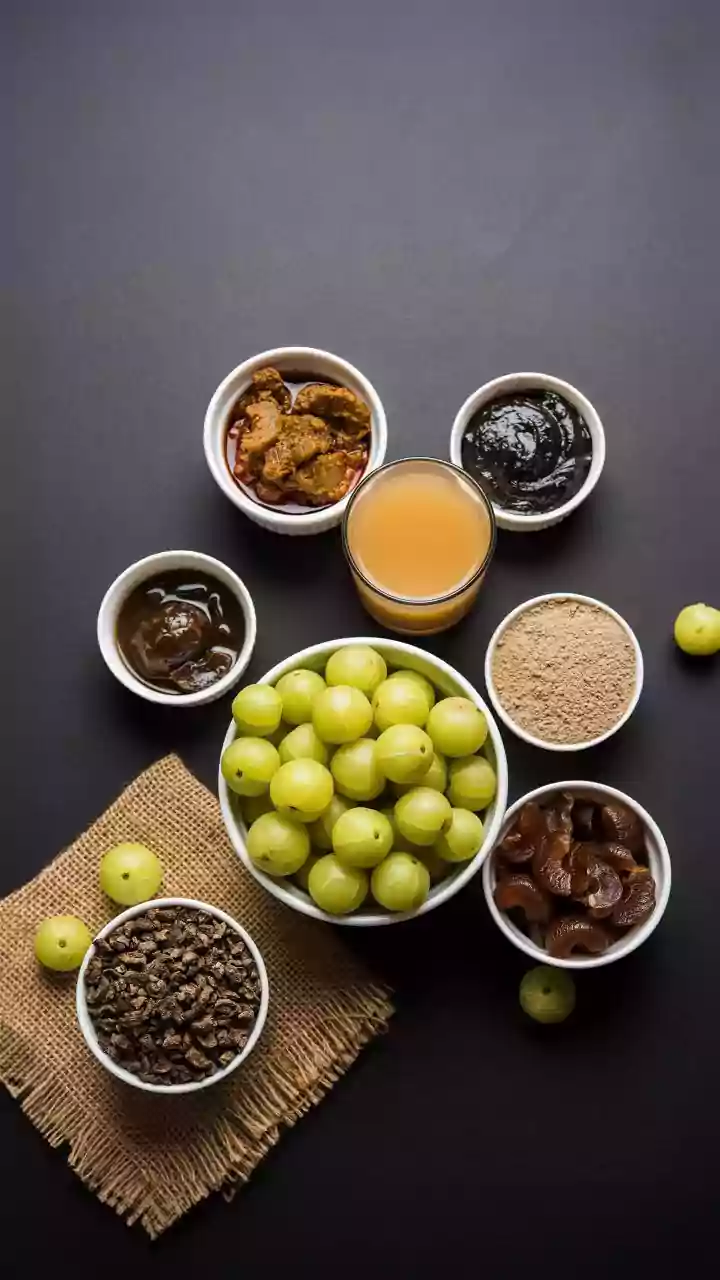
While deeply traditional, the complex flavour profiles of Indian pickles and chutneys make them incredibly versatile for contemporary cooking. Think of them not as just a side for dal and rice, but as a flavour base or finishing element. The potent mix of spicy, sour, sweet, and umami can elevate dishes in unexpected ways. Modern chefs and adventurous home cooks are beginning to catch on, using these heritage condiments in innovative ways. A spoonful of spicy mango pickle can be whisked into yogurt or mayonnaise to create a dynamic spread for sandwiches and wraps. The tangy brine from a lemon pickle makes an excellent base for a salad vinaigrette. Even pasta can get an Indian twist with a dash of garlic or chilli pickle stirred into the sauce. Similarly, a fresh mint and coriander chutney can act as a pesto, and a sweet tamarind chutney can be a glaze for grilled meats or vegetables.
How to Get Started
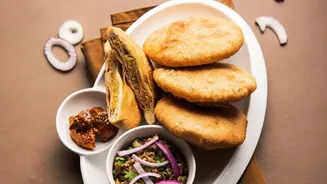
Integrating these flavours into your cooking doesn't require a complete pantry overhaul. Start small. Instead of your usual hot sauce on a burger, try a spicy Indian tomato or chilli chutney. Mix a teaspoon of your favourite 'achaar' into plain rice to create an instant 'pickle rice' for a quick and flavourful meal. Add a dollop of lime pickle to your next dal tadka for an extra layer of zing. The key is to see pickles and chutneys as concentrated flavour bombs. A little goes a long way. They can cut through richness, add brightness to bland foods, and introduce a complexity that would otherwise take hours to build from individual spices. By re-imagining their role, we don't just preserve a culinary tradition; we give it a vibrant and delicious new life on our modern dining tables.