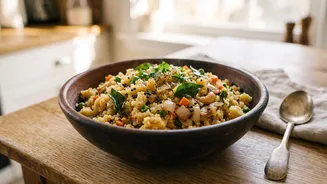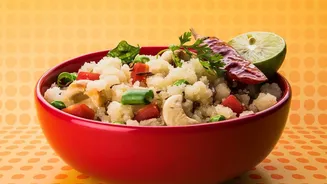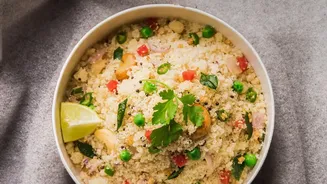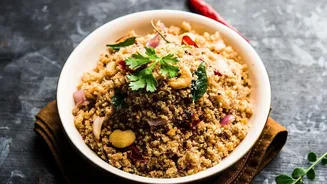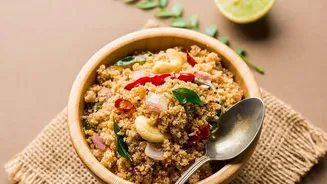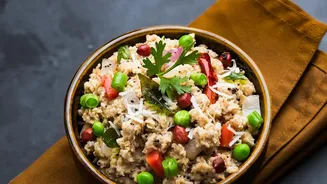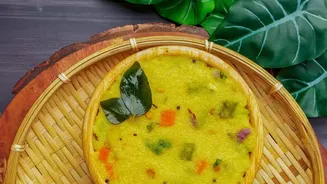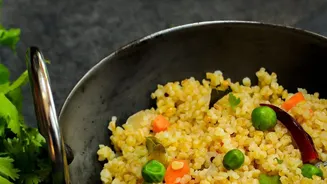



The humble upma is a breakfast staple across India, but it's far from a single, uniform dish. From spicy and savoury to soft and rich, different regions have perfected their own unique versions, transforming this simple meal into a diverse delight.
Karnataka’s Khara Bath
Often
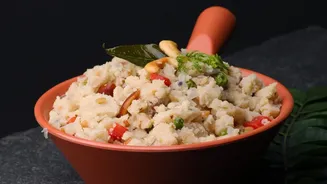
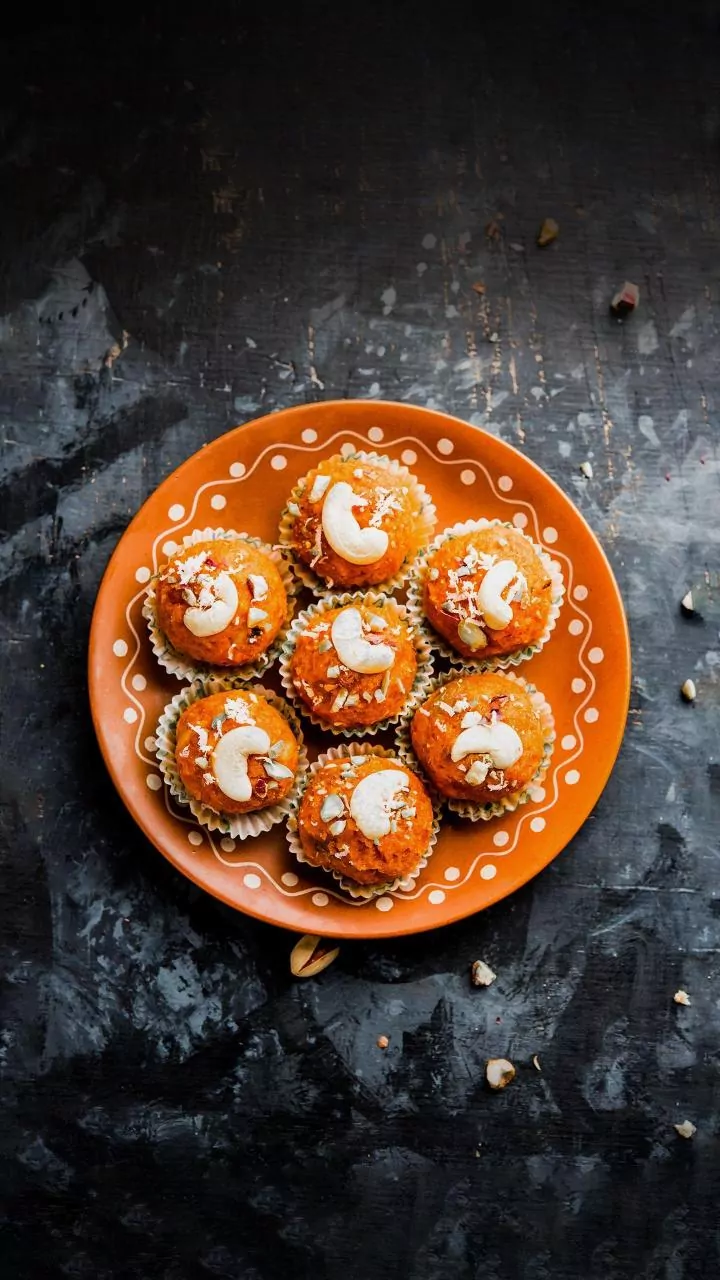
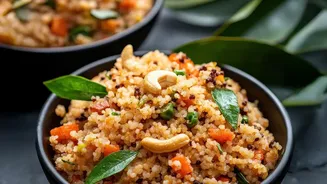
found in the iconic 'darshinis' of Bengaluru, Khara Bath is a spicier, more flavourful cousin of the standard upma. Its signature taste comes from a special masala powder, typically a vangi bath or sambar powder, which gives it a distinct aromatic profile. This version is usually packed with finely chopped vegetables like carrots, beans, and capsicum, along with a generous amount of tomatoes. The texture is soft and almost melts in your mouth, and it's famously served alongside its sweet counterpart, Kesari Bath, in a combination platter known as 'Chow Chow Bath'.
Tamil Nadu’s Rava Kichadi
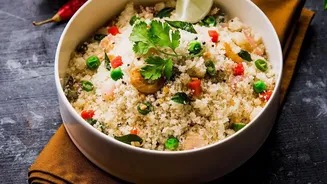
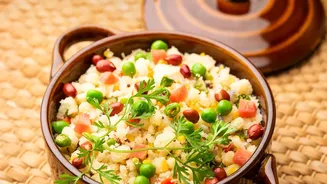
Don't confuse this with the North Indian dal-based khichdi; Tamil Nadu's Rava Kichadi is a richer, more celebratory version of upma. It gets its vibrant yellow hue from turmeric powder and a luxurious texture from the generous use of ghee and oil. Loaded with vegetables like carrots and peas, it's the cashews, fried until golden in ghee, that add a delightful crunch. Softer and more moist than a typical upma, this dish is a staple at weddings and special occasions, often served with coconut chutney or sambar.
Maharashtra’s Sanja
Sanja is the Maharashtrian take on savoury semolina, similar to upma but with its own character. A key difference is the addition of turmeric, which imparts a warm, golden colour. Many recipes also incorporate buttermilk or curd into the cooking liquid, giving the final dish a subtle tanginess that sets it apart. Often featuring peanuts for crunch and a hint of sugar to balance the flavours, Sanja is classic comfort food in the region, sometimes served topped with crispy sev for added texture.
Kerala’s Uppumavu
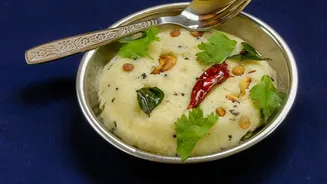
In Kerala, upma, known as Uppumavu, often celebrates the state's most beloved ingredient: coconut. While the base recipe involves tempering with mustard seeds, chillies, and ginger, many versions are finished with a generous amount of freshly grated coconut, which adds a subtle sweetness and a richer texture. Coconut oil is frequently used for tempering, lending its distinct aroma to the dish. Traditionally, Uppumavu is enjoyed in a unique way—paired with a ripe banana, creating a delightful mix of sweet and savoury in every bite.
Andhra’s Pesarattu Upma
Perhaps the most innovative combination on this list, Pesarattu Upma is a star breakfast from Andhra Pradesh. It's not a different style of upma itself, but a unique way of serving it. A simple, classic upma is cooked separately and then stuffed inside a crispy, thin dosa made from green moong dal, known as a 'pesarattu'. This protein-packed dosa, which requires no fermentation, provides a wonderful contrast in texture to the soft semolina filling. Served hot with a side of spicy ginger chutney, it’s a complete and incredibly satisfying meal.