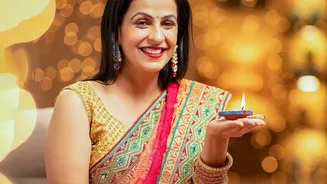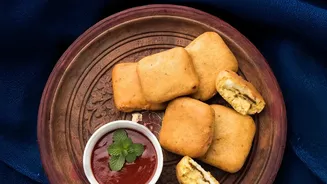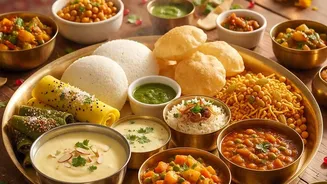


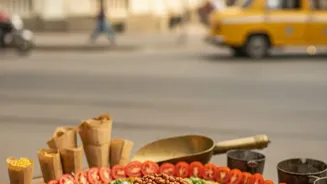
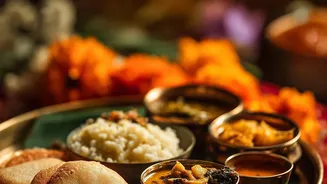
As the festival of lights approaches, a familiar, mouth-watering aroma fills Maharashtrian homes. This is the scent of Faral, a cherished tradition that is much more than just a collection of snacks. It's the edible soul of Diwali.
What is Faral?
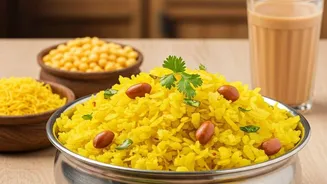
Faral is the collective
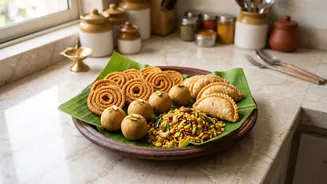
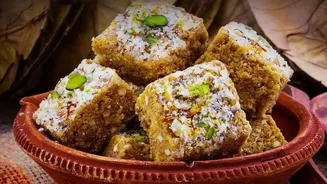
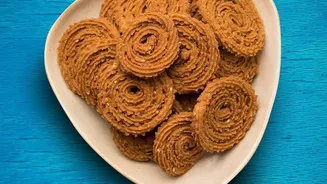
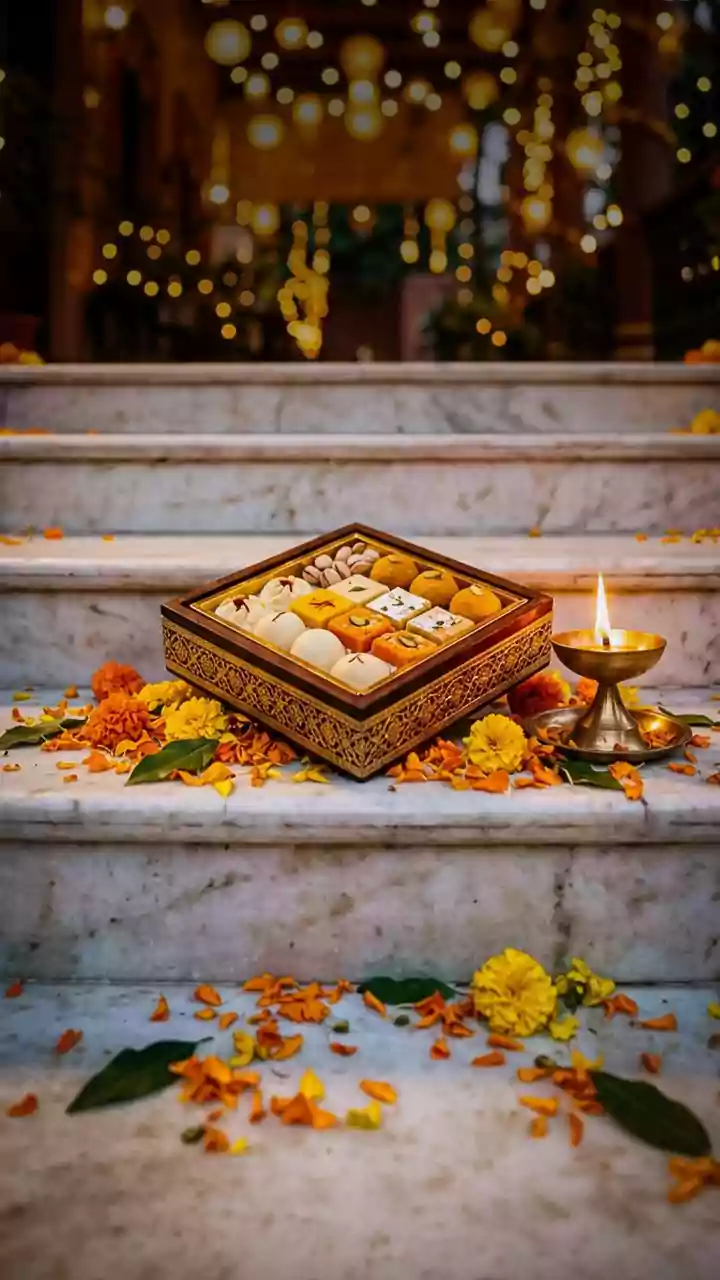
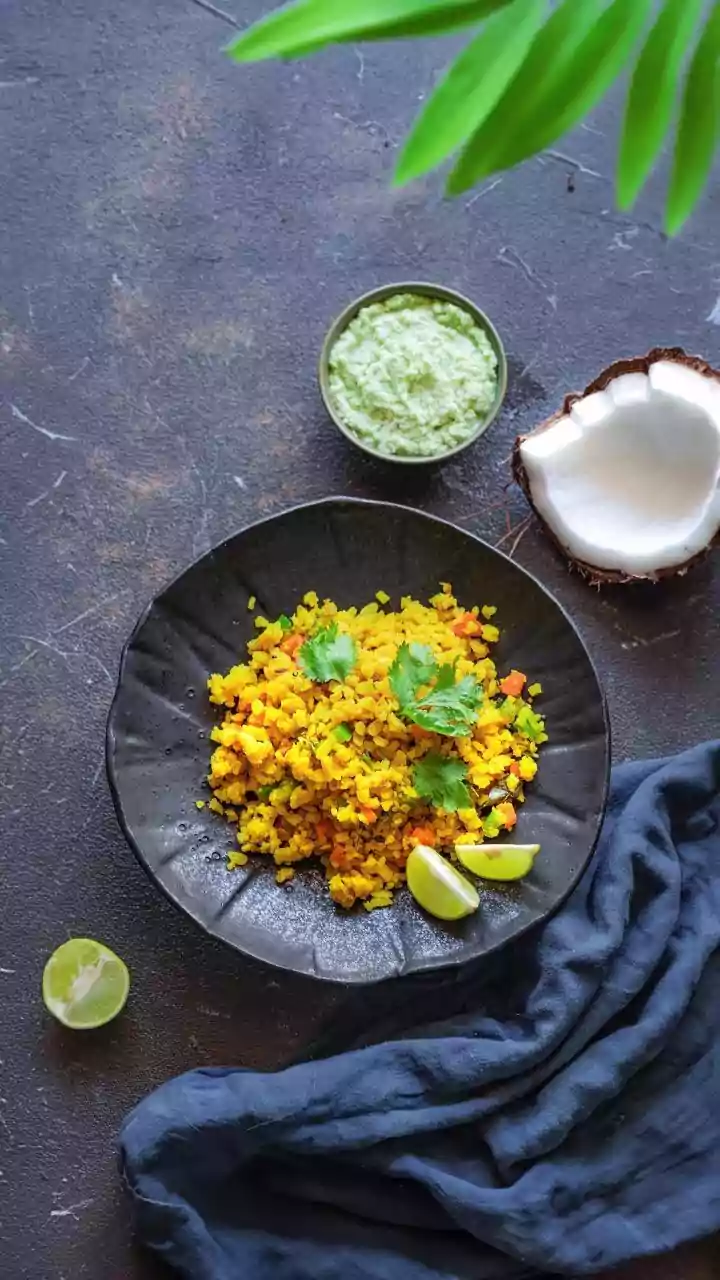
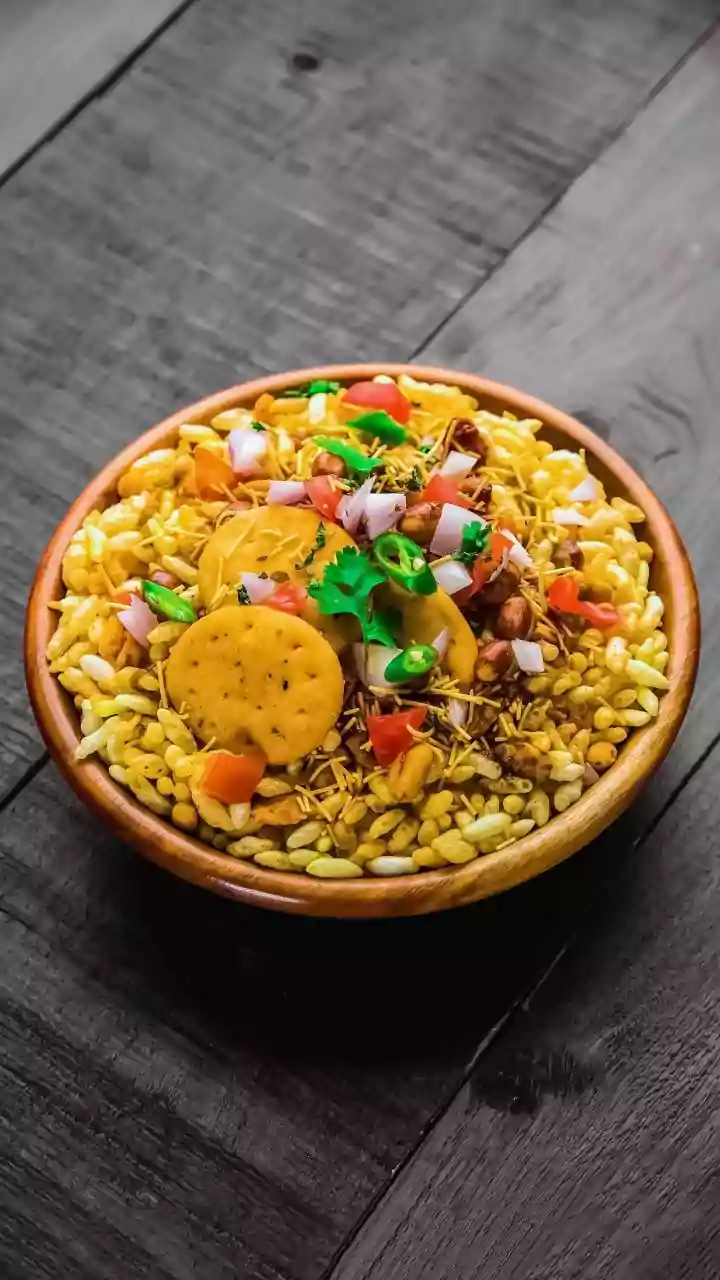
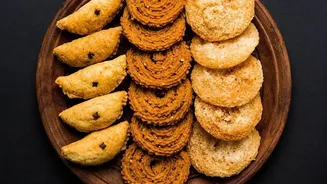
name for an assortment of sweet and savoury snacks prepared in advance for Diwali. It’s not one single dish but a platter of diverse textures and tastes, designed to be shared with family, friends, and neighbours throughout the festival. The lineup often includes savoury items like the spiral-shaped, crunchy Chakli; the light and airy Poha Chivda; and spicy diamond-cuts called Namkeen Shankarpali. These are perfectly balanced by sweets such as the crescent-shaped, coconut-filled Karanji; sugary Shankarpali; and various kinds of Ladoos made from besan or rava.
A Tradition of Togetherness
The true significance of Faral lies not just in the eating, but in the making. Historically, preparing these elaborate snacks was a community affair. Women in the family and neighbourhood would gather days before Diwali, turning the kitchen into a hub of activity. This collaborative process of rolling, kneading, and frying was a way to bond and share stories, strengthening community ties. The ritual of exchanging boxes of homemade Faral is a cornerstone of the celebration, symbolising goodwill, hospitality, and the joy of sharing. Every guest who visits is welcomed with this platter, ensuring no one leaves without partaking in the festive treats.
The Original Artisanal Snack Box
In an age of mass-produced chips and generic biscuits, Faral stands out for its authenticity and artisanal nature. Its growing appeal to modern snackers is no surprise. Consumers today are increasingly seeking food experiences that feel genuine and rooted in tradition. Faral is the original Indian snack box, offering a curated variety of flavours and textures in one place. This concept perfectly aligns with contemporary desires for diverse and interesting food choices over monolithic, single-flavour packets. Each item, with its distinct taste profile—from the peppery kick of Chakli to the fragrant sweetness of Karanji—tells a story of heritage and home-style cooking.
Why It Resonates Today
The appeal of Faral extends beyond nostalgia. Firstly, there is a growing movement away from heavily processed foods towards snacks with simpler, recognisable ingredients. Faral is typically made from pantry staples like rice flour, gram flour, semolina, jaggery, and natural spices. Secondly, its balance of sweet and savoury items caters to a wide range of palates, making it an ideal choice for family gatherings and social events. The convenience of these snacks, which have a long shelf life and require no refrigeration, also fits perfectly into modern, fastpaced lifestyles. It’s the perfect, readyto serve treat for any time of day, especially with a cup of tea.
The Modern Evolution of Faral
While the soul of Faral remains traditional, it is also adapting to modern sensibilities. With hectic schedules, the practice of making everything from scratch has declined in some urban homes. This has given rise to a thriving market of home chefs and online businesses that sell authentic, highquality Faral, making the tradition accessible to all. Furthermore, healthconscious variations are becoming popular, with many opting for baked or airfried versions of snacks like Chakli and Shankarpali instead of the traditional deepfried ones. This evolution ensures that the cherished tradition of Faral continues to be a relevant and beloved part of Diwali celebrations for generations to come.