





The Significance of Shravan Eating
Shravan, the fifth month of the Hindu lunar calendar, is dedicated to Lord Shiva and is considered highly auspicious for spiritual practices. Many devotees observe fasts, particularly on Mondays (Somvar), which involve adhering to a sattvic diet. This
diet traditionally excludes non-vegetarian food, onions, garlic, regular salt, and certain grains. Ayurveda suggests that during the monsoon, our digestive fire (agni) is weaker. A lighter, sattvic diet is easier on the stomach, making the dietary customs of Shravan both spiritually and physically beneficial. The focus shifts to fresh fruits, specific vegetables, dairy products, and alternative flours, which are nourishing and easy to digest.
Seasonal Fruits for Energy and Immunity
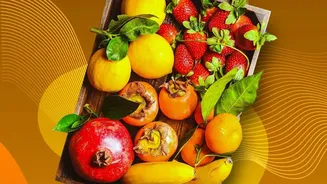
Fruits are a cornerstone of the Shravan diet, providing instant energy, hydration, and vital nutrients. The monsoon season offers a wonderful variety that is perfect for fasting and overall health. Seasonal fruits are known to be richer in vitamins and antioxidants, which are crucial for strengthening the immune system against common monsoon ailments.
Jamun (Indian Blackberry)
The deep purple Jamun is a quintessential monsoon fruit. It is rich in iron, vitamin C, and antioxidants like anthocyanins, which help fight inflammation and infection. Jamun is also traditionally known to help in managing blood sugar levels, making it a valuable addition to any diet. Its astringent properties can aid in digestion, a common concern during the humid monsoon months.
Pears (Nashpati)
Crisp and juicy, pears are an excellent source of dietary fibre, which promotes smooth digestion when the metabolism tends to be sluggish. They are packed with essential vitamins and antioxidants that help build immunity. Being a gentle fruit, pears are easy on the stomach and provide natural hydration, making them ideal for breaking a fast or as a light snack.
Pomegranate (Anar)
Pomegranates are celebrated for their potent antioxidant properties, which help protect the body from damage and bolster its defense mechanisms. They are a good source of vitamins that are essential for maintaining energy levels and overall health during the fasting period. The antimicrobial properties of pomegranate can also support digestive health. A bowl of these ruby-red jewels provides both nourishment and a burst of flavour.
Peaches and Plums
Both peaches and plums are delicious monsoon arrivals. Plums are low in calories but high in dietary fibre and antioxidants, which support digestive and cognitive health. Peaches are rich in Vitamin C, which is crucial for a strong immune system. These fruits offer a refreshing and tangy-sweet flavour, perfect for a vibrant fruit salad or to be eaten on their own.
Vrat-Friendly Vegetables
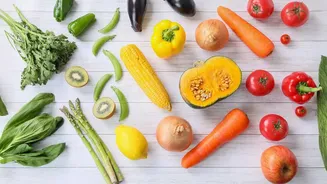
During Shravan, the choice of vegetables narrows down to those considered sattvic. Many of these happen to be seasonal gourds and root vegetables that are light and nutritious. These vegetables are typically prepared simply, without onion, garlic, or heavy spices.
Bottle Gourd (Lauki)
Lauki is a hydrating and easily digestible vegetable, making it a staple in Shravan kitchens. It is low in calories and has a cooling effect on the body. It can be used to prepare a simple curry with sendha namak (rock salt) or even a sweet kheer, providing a versatile option for fasting meals. It's a key vegetable for a light yet filling meal that aligns perfectly with Ayurvedic principles for the monsoon season.
Sweet Potato (Ratali/Shakarkandi)
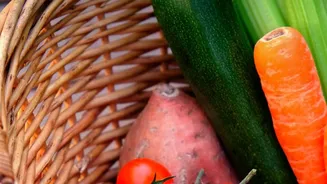
Sweet potato is a powerhouse of energy and nutrients, making it an essential fasting food. It is a complex carbohydrate that provides sustained energy, which is important during fasts. Rich in vitamins and fibre, it can be boiled, roasted, or made into tikkis for a satisfying meal. Its natural sweetness also helps curb cravings for processed sugar.
Pointed Gourd (Parwal) and Ridge Gourd (Tori)
Gourds like Parwal and Tori are abundant during the monsoon and are highly recommended. These vegetables are rich in fibre, vitamins, and water content, aiding digestion and keeping the body light. They can be cooked into simple, wholesome sabzis that are both nourishing and compliant with Shravan fasting rules. Their inclusion ensures that the body receives a steady supply of micronutrients without feeling heavy.