


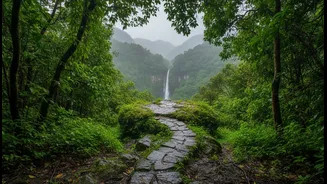




The Allure of an Off-Season Adventure
For years, the monsoon season was considered the travel off-season in India, a time to stay home and wait for the skies to clear. That perception is rapidly changing. Today, travellers are embracing the rains, drawn by the promise of fewer crowds, rejuvenated
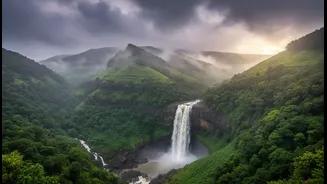
landscapes, and significantly lower prices. Destinations like Munnar, Coorg, Lonavala, and even Udaipur are seeing a surge in monsoon tourism, with hotel bookings climbing dramatically. Hotels that might be prohibitively expensive during peak winter months often offer discounts of 25% to 50%, making luxury stays more accessible. The result is a chance to experience India's natural beauty at its most vibrant, from misty mountains and roaring waterfalls to rain-washed heritage sites, without the usual tourist rush.
Choosing Your Monsoon Destination Wisely
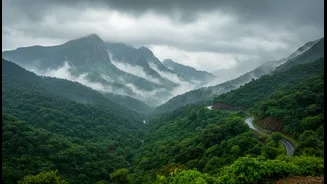
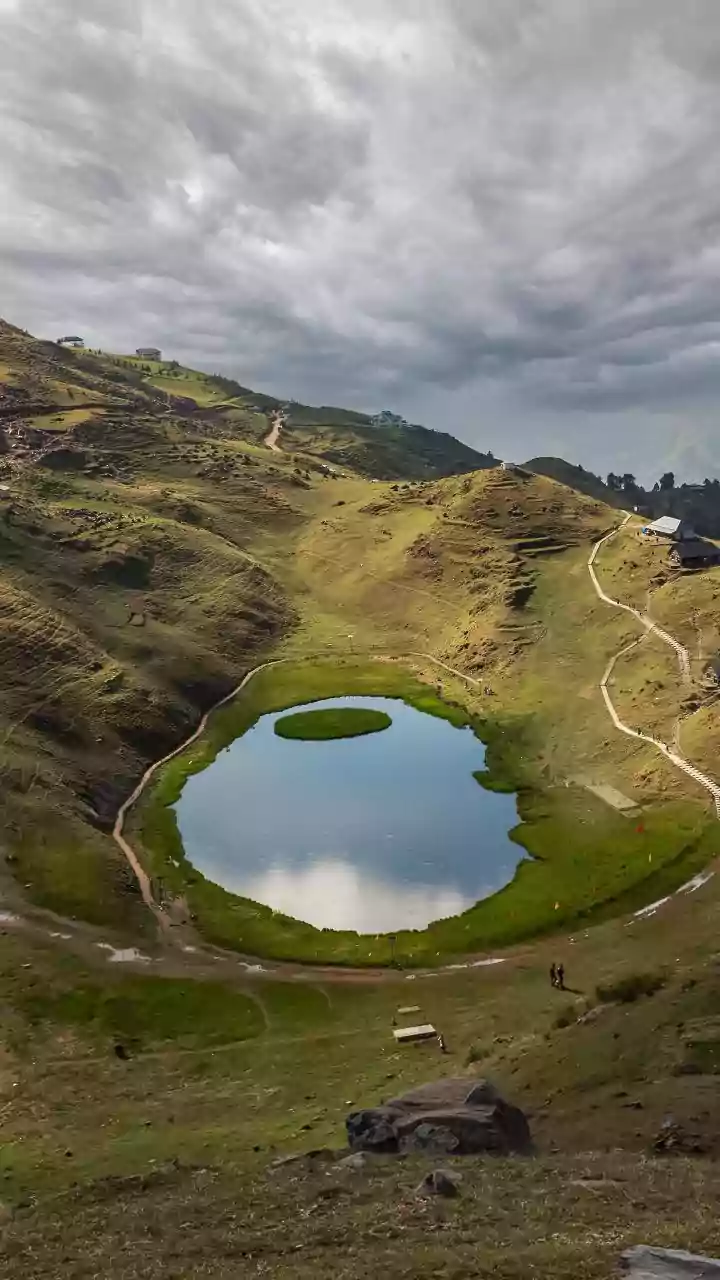
Not all destinations are created equal when it comes to rain. The key to a successful monsoon trip is choosing a location that thrives in wet weather. Hill stations in the south and west, such as those in Kerala (Munnar, Wayanad), Karnataka (Coorg), and Maharashtra (Lonavala, Mahabaleshwar), are classic choices, celebrated for their emerald tea plantations and misty valleys. In Rajasthan, the city of Udaipur offers a unique romantic charm as rains fill its famous lakes. However, it's crucial to be aware of regional risks. Some parts of Himachal Pradesh and Uttarakhand can be prone to landslides during heavy rainfall, making them potentially hazardous. The India Meteorological Department (IMD) often issues alerts for heavy rainfall and potential flooding, particularly for coastal areas like the Konkan coast, including Goa, and hilly regions. Always check official advisories before booking.
Decoding Weather Risks Beyond the Forecast
A weather forecast that simply says "rain" doesn't tell the whole story. For travellers, the difference between a gentle drizzle and a torrential downpour is everything. Look for terms like "heavy to very heavy rainfall" in weather reports, as these are often linked to disruptions. Pay attention to flash flood warnings, especially in hilly terrain and areas near rivers. Even popular spots like Lonavala can become risky during intense spells, with ghat roads affected by poor visibility and falling rocks. A smart strategy is to build flexibility into your itinerary. Plan for indoor activities, like visiting a local museum, enjoying a spa day, or exploring covered markets. Having a buffer day or two can also prevent stress if travel is delayed due to weather.
The Fine Print: Cancellation Policies Explained
Finding a great hotel deal is only half the battle; ensuring your booking is protected is the other. Hotel cancellation policies are more important than ever during the unpredictable monsoon season. These policies can vary dramatically. A 'fully refundable' rate might require you to cancel 24 hours or more before check-in to get your money back. A 'partially refundable' rate may mean you are charged 50% of the booking value if you cancel within a certain window, for example, 3 to 7 days before arrival. The cheapest deals are often 'non-refundable,' meaning you lose the entire amount if your plans change for any reason, including bad weather. During peak periods or holidays, even within the monsoon season, many hotels adopt stricter, non-refundable policies. Always read the terms and conditions carefully before you click 'book,' as weather-related issues are not always covered.
How to Secure a Flexible Booking
To protect your investment, prioritise flexible booking options, even if they cost slightly more than a non-refundable rate. When comparing prices across different platforms, don't just look at the initial number; click through to see the final price including taxes and fees, which can be 12-18% higher. Some hotels offer better cancellation terms or perks like free breakfast if you book directly through their website. Before finalising, consider purchasing travel insurance that covers cancellations due to weather-related events, as many standard hotel policies will not offer refunds if a storm prevents you from reaching your destination. Finally, a quick call to the hotel can clarify their specific policies and provide peace of mind. Having a booking that allows for changes provides the freedom to adapt to shifting weather, ensuring your monsoon break remains relaxing.