
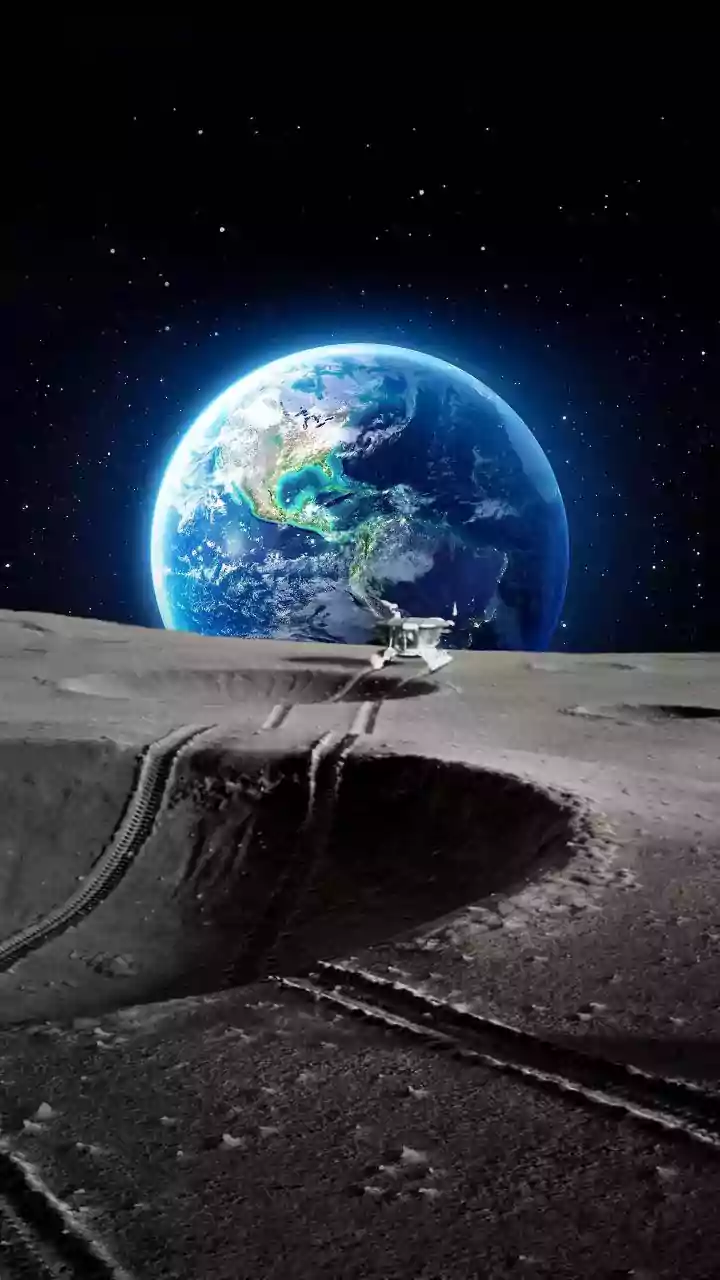


The Robotic Vanguard: Lean and Efficient
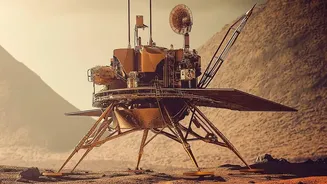
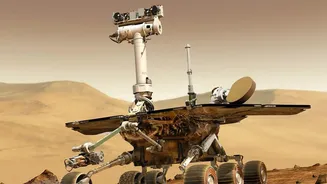
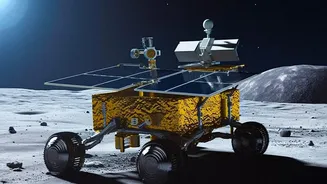
For decades, robots have been our eyes, ears, and hands on Mars. From the Sojourner rover to the sophisticated Perseverance, these automated explorers have transformed our understanding of the planet. Their advantages are rooted in simplicity and endurance.
Robots don't need food, water, or a breathable atmosphere. They are engineered to withstand extreme temperatures and radiation levels that would be lethal to humans. This makes them significantly cheaper and less risky to deploy. A robotic mission eliminates the immense weight and complexity of life support systems, which drastically cuts launch costs. Furthermore, robots can operate for years, even decades, far surpassing the potential duration of a human stay. The Voyager probes, still sending data after more than 40 years, are a testament to the longevity of robotic explorers.
The Human Supply Chain: A Monumental Challenge
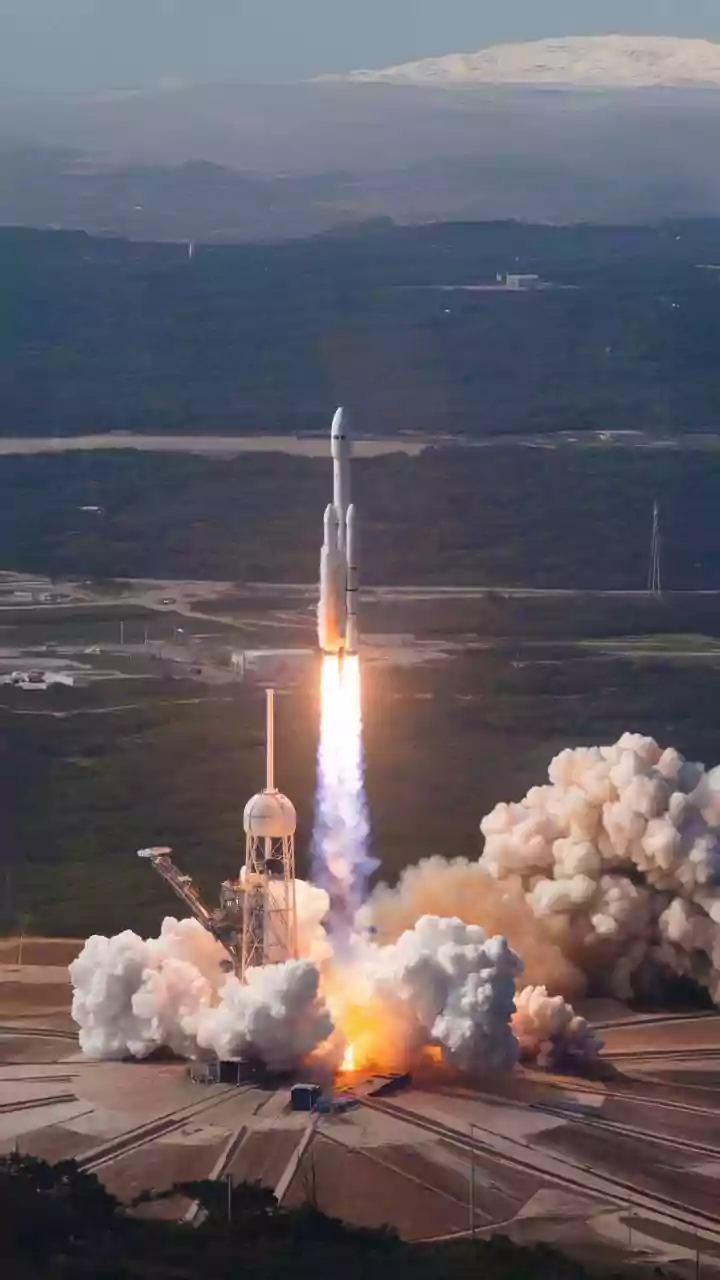
Sending humans to Mars is an entirely different logistical universe. A round-trip mission could last up to three years. The sheer volume of supplies required is immense. Each astronaut needs food, water, and oxygen, and while recycling systems can help, they are not perfectly efficient. Early estimates suggest a crew of six would require tonnes of supplies just to survive the journey and initial surface stay. This doesn't even account for medical equipment, spare parts, and scientific instruments. The mass of these supplies creates a compounding problem: a heavier spacecraft requires a more powerful, and thus more expensive, launch vehicle. Beyond basic survival, there are the profound physiological and psychological challenges. Long-term exposure to microgravity causes muscle atrophy and bone density loss. The constant threat of space radiation increases cancer risk, and the psychological toll of being confined in a small space, millions of miles from Earth with significant communication delays, can lead to anxiety, depression, and interpersonal conflict.
The Human Advantage: Adaptability and Discovery
Despite the immense challenges, the case for sending humans is compelling. The primary advantage is adaptability. While a rover is limited to its programming and onboard tools, a human geologist can make intuitive leaps, pivot research strategy in real-time, and perform complex tasks that are far beyond a robot's capabilities. For example, a rover might struggle for years to dig a few inches into the soil, a task an astronaut with a spade could accomplish in minutes. Humans can repair broken equipment, navigate treacherous terrain that would trap a rover, and apply a level of creativity and critical thinking to unexpected discoveries that no AI can yet match. Sending people is not just about data collection; it's about exploration in its truest sense, driven by human curiosity and the potential for on-the-spot breakthroughs.
Living Off the Land: The ISRU Revolution
The key to tipping the scales in favor of human missions may lie in not packing everything from the start. The concept of In-Situ Resource Utilization (ISRU) — using resources found on Mars to create supplies — is a game-changer. This involves harvesting water from subsurface ice, extracting oxygen from the thin Martian atmosphere, and even manufacturing rocket propellant for the return journey. NASA's MOXIE experiment, aboard the Perseverance rover, has already successfully demonstrated the ability to produce small quantities of oxygen from Mars' carbon dioxide-rich air. Developing reliable ISRU technologies could dramatically reduce the mass that needs to be launched from Earth, making long-duration human outposts economically and logistically feasible. Instead of hauling tonnes of water and oxygen, astronauts could one day generate their own, fundamentally changing the equation of deep space survival.