




Why Rolling Reigns Supreme
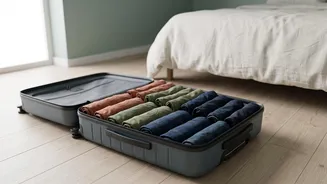
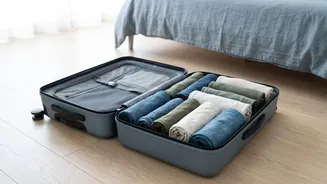
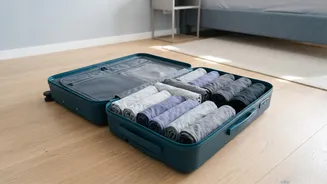
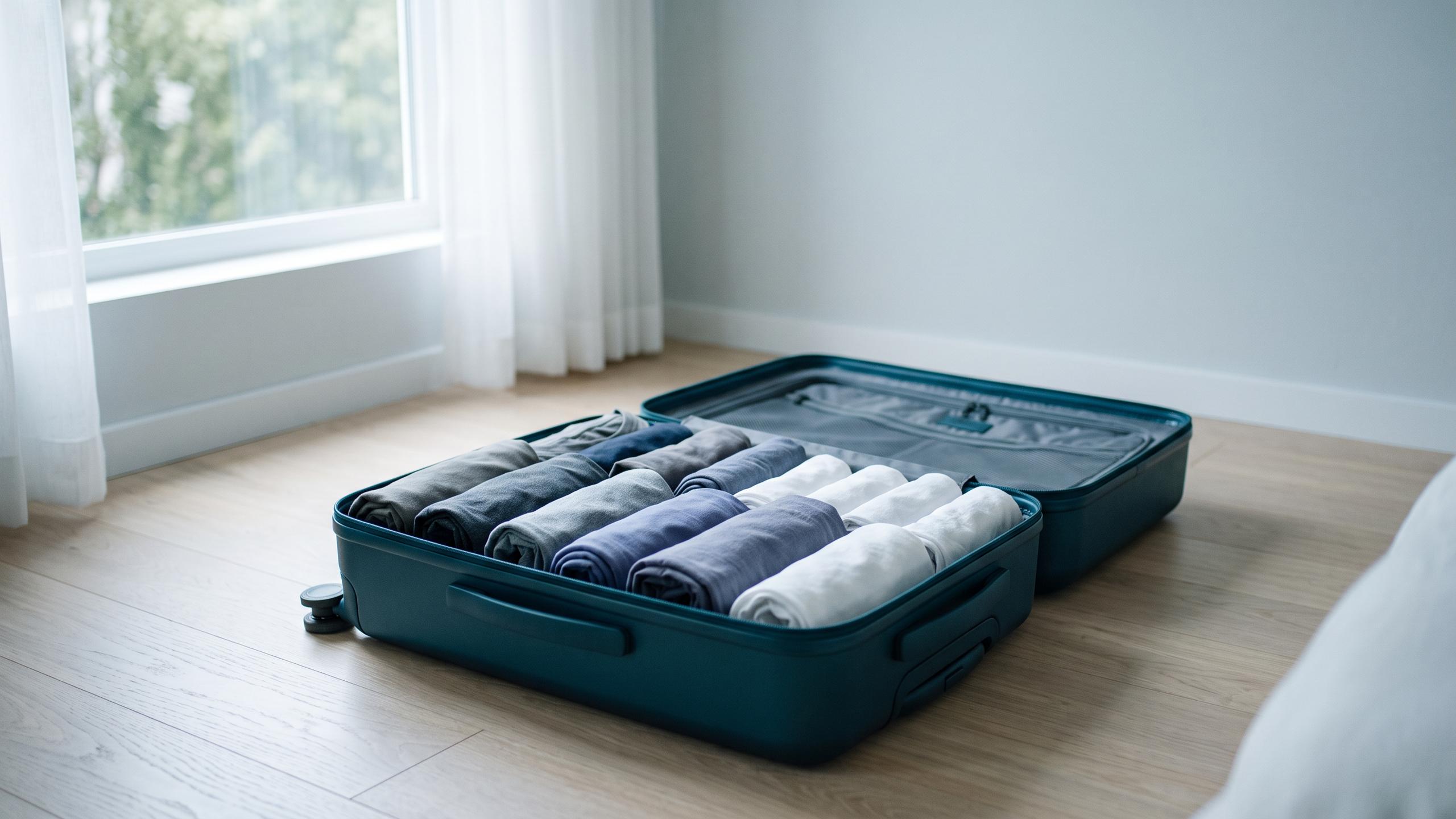
The debate between rolling and folding clothes has been settled for many seasoned travelers: rolling often wins for space and organization. When you roll clothes tightly, you compress the fabric and eliminate the pockets of air that form between folded
garments. This method not only creates more physical space in your suitcase but also makes it easier to see all your items at a glance. Instead of digging through stacked layers, you can arrange your rolled 'burritos' vertically, like files in a cabinet. This is especially effective for casual, wrinkle-resistant items such as t-shirts, jeans, and workout gear. Tightly rolled clothes are also less likely to shift during transit, which helps in reducing wrinkles that form from hard creases in folded stacks.
The Basic Roll: Your Starting Point
For anyone new to this technique, the basic roll is your foundation. It works wonders on most simple garments like t-shirts, shorts, and casual pants. Start by laying the item on a flat surface and smoothing out any wrinkles; this is a crucial step to ensure your clothes arrive looking fresh. Fold the sleeves of a shirt inward to create a neat rectangle. For pants, fold one leg over the other. Then, starting from the bottom, roll the garment as tightly as you can towards the top. A tight roll is key to both saving space and preventing the item from unspooling in your bag. This simple method is a huge upgrade from haphazard folding and is perfect for getting started with space-saving packing.
Level Up with the Ranger Roll
The Ranger Roll, also known as the Army Roll, is a more advanced technique that creates a highly compact and self-contained bundle that won't come undone. It's perfect for t-shirts, socks, and underwear. To roll a t-shirt, lay it flat and fold the bottom hem inside out by about three inches to create a 'pocket'. Next, fold one side of the shirt towards the center, laying the sleeve flat, and repeat on the other side to form a narrow rectangle. Then, starting from the collar, roll the shirt down as tightly as possible toward the pocket you created. Once you reach the end, take the inside-out pocket and wrap it back over the entire roll, securing it into a tight, little clothing log. This technique takes a moment longer but creates incredibly stable rolls.
Know What to Roll (and What to Fold)
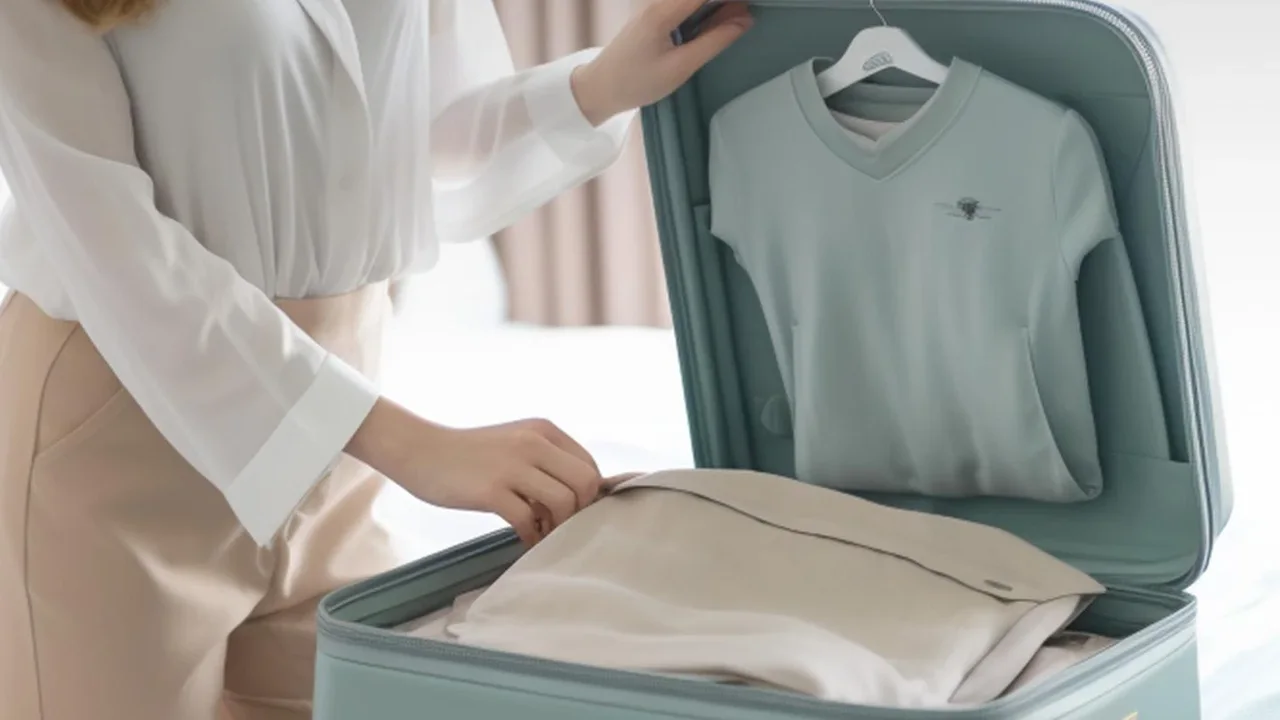
Rolling is a powerful tool, but it's not suitable for every piece of clothing. It works best on soft, flexible fabrics like cotton, jersey, and synthetics that resist wrinkling. However, for some items, folding is still the superior method. Bulky garments like thick wool sweaters or heavy jackets can actually become larger when rolled. Formal wear, such as blazers, dress shirts, and items made of delicate fabrics like linen or silk, should be carefully folded to avoid creating unwanted creases. The most efficient packers use a hybrid approach: roll the majority of your casual clothes and fold the few structured or bulky items, laying them flat on top of your rolled garments.
The Payoff: Beating Baggage Fees
Mastering these hacks directly translates into avoiding costly checked bag fees. With many budget carriers charging upwards of $60 for a carry-on and major airlines enforcing strict size limits, fitting everything into one personal item and carry-on is a significant financial win. Some basic economy fares, like on United for domestic flights, only permit a personal item, making space-saving techniques essential. An efficiently packed bag not only saves you from fees that can climb over $100 for last-minute gate-checking but also frees you from the time-consuming process of checking in luggage and waiting at the baggage carousel upon arrival. It’s the ultimate way to travel lighter, faster, and cheaper.