




A Wardrobe Revolution
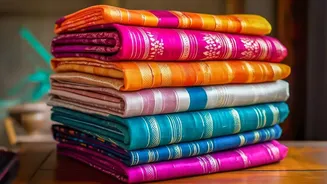
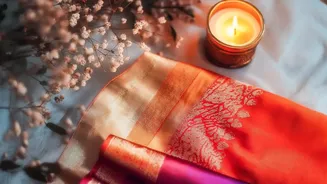
A quiet but powerful trend is taking over Indian fashion, championed by young enthusiasts on social media and in design studios. The concept is simple yet profound: taking a mother's or grandmother's old silk saree—be it a rich Banarasi, a classic Kanjeevaram,
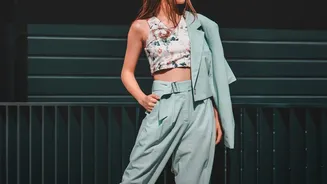
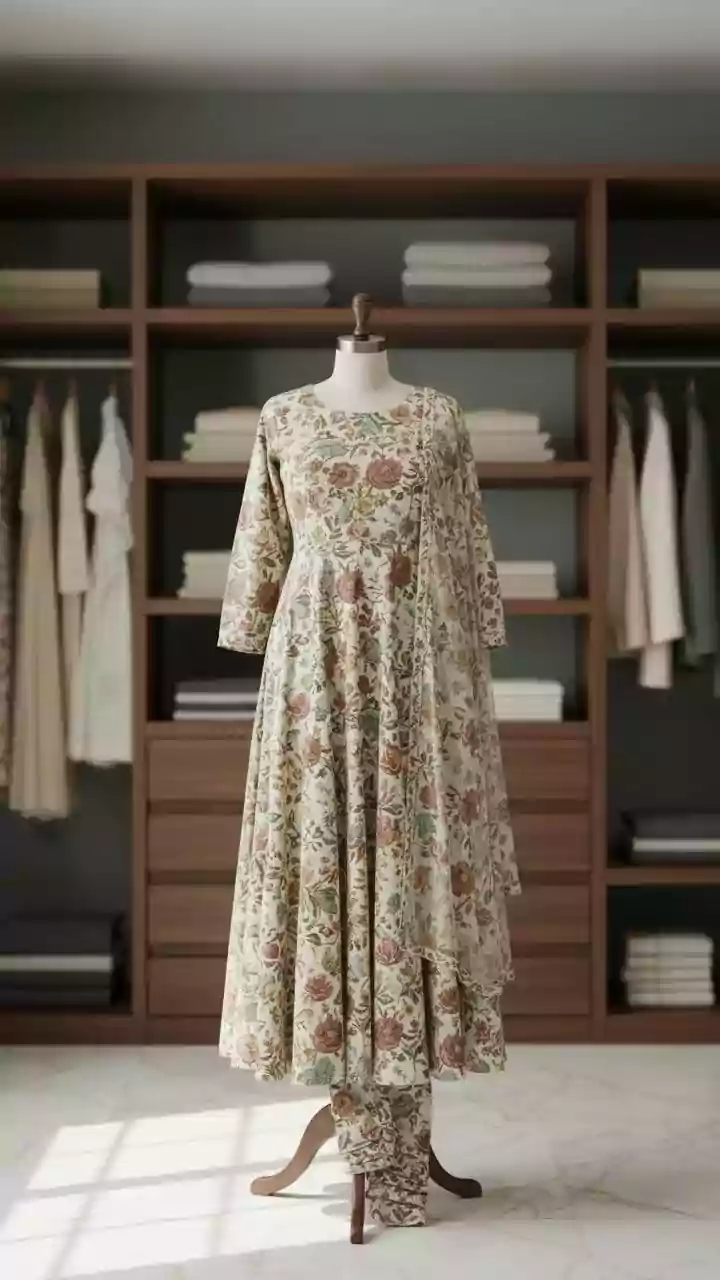
or a lightweight Chanderi—and giving it a second life as a contemporary co-ord set. This practice moves beyond simple recycling; it's a creative reimagining of heritage. What was once reserved for special occasions is now being tailored into stylish and wearable separates like trousers, jackets, crop tops, and skirts that fit a modern lifestyle. This surge in popularity is driven by a desire for unique, personal style that stands out from mass-produced fast fashion. An upcycled saree outfit is, by its very nature, one-of-a-kind.
More Than Just Fabric
The appeal of this trend runs deeper than aesthetics. These sarees are not just lengths of fabric; they are woven with emotion, tradition, and personal history. For many, wearing an outfit made from a family heirloom is a way to keep memories alive and feel connected to their roots. It transforms a garment into a story. Women describe the sentimental value of wearing a pantsuit made from their grandmother's saree or a lehenga crafted from their mother's wedding silk for their own daughter. It’s a tangible link to the past, lovingly updated for the present. This emotional connection is what makes the trend more than a fleeting fashion moment; it's a cultural statement about cherishing and preserving family legacy in a new form.
The Sustainable Statement
At its core, upcycling sarees is a powerful act of sustainable fashion. In a world grappling with the environmental impact of textile waste, this trend offers a beautiful solution. Rather than letting precious, handwoven silks languish in a cupboard or end up in a landfill, this practice extends their life indefinitely. The craftsmanship found in many old sarees, with their intricate zari work and high-quality weaves, is often difficult and expensive to replicate today. Upcycling honours these traditional skills and materials, ensuring they are not just preserved but actively used and appreciated. This conscious choice resonates deeply with a generation that is increasingly environmentally aware and looking for ways to make their consumption more meaningful.
The Creative Process
Transforming a six-yard drape into a structured co-ord set is a meticulous and creative process. It requires a skilled tailor or designer who understands how to work with delicate and often old fabrics. The first step involves carefully examining the saree for its strengths and weaknesses—identifying the most beautiful motifs on the pallu or the intricacy of the border. The design of the new outfit is planned around these features. The pallu might become the front of a jacket, or the border could be used to detail cuffs and hemlines. The process is a collaboration between the owner's vision and the artisan's skill, resulting in a piece that is not only stylish and modern but also thoughtfully constructed to showcase the original saree's best features.
The New Heirlooms
Several homegrown labels and independent designers across India are now specialising in this art form, offering services to customise clients' personal sarees or creating ready-to-wear collections from sourced vintage fabrics. Brands like Sakhe, Lata Sita, and others have gained popularity for their innovative take on upcycling. They are creating everything from breezy kaftans and dresses to sharp pantsuits and blazers. This movement is redefining what an heirloom can be. Instead of a saree that is worn once a decade, the new heirloom is a versatile co-ord set that can be dressed up or down, mixed and matched, and woven into the fabric of everyday life, ensuring that the legacy of the original garment continues for another generation.