



The Rise of Astrotourism
A growing number of travellers are seeking experiences that connect them with nature in its purest form, and nothing is more fundamental than the cosmos. Astrotourism, or travel for the purpose of stargazing, is surging globally, and India is emerging
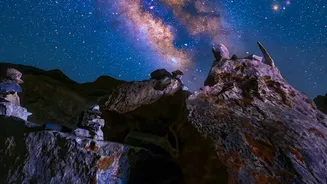
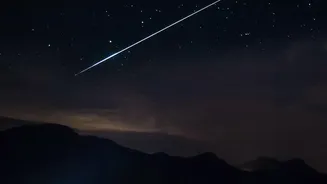
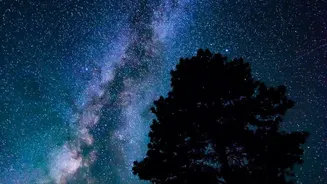
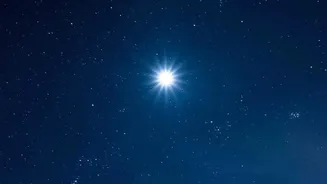
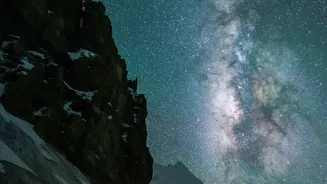
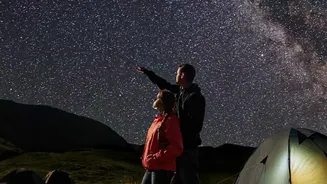
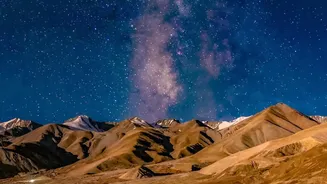
as a prime destination. This trend involves journeying to remote locations with minimal light pollution to witness the night sky's full glory. For many city dwellers, the sight of a sky filled with countless stars, constellations, and the ethereal band of the Milky Way is a profound and humbling experience. It’s a chance to disconnect from the digital world and reconnect with the universe on a grand scale. This desire for authentic and awe-inspiring travel is drawing people to the cold, clear heights of the Himalayas.
Why Himachal is a Stargazer's Paradise
Himachal Pradesh offers a perfect trifecta for celestial observation: high altitude, clean air, and exceptionally low light pollution. The higher you go, the thinner the Earth's atmosphere becomes, reducing the distortion that makes stars appear to twinkle. This results in sharper, brighter views of celestial objects. The state's remote villages, tucked away from the glow of urban centres, provide the genuinely dark skies necessary to see faint objects like nebulae and distant galaxies. The crisp, unpolluted mountain air further enhances visibility, creating what astronomers call "good seeing" conditions. This combination makes areas like Spiti, Lahaul, and parts of the Tirthan Valley world-class stargazing locations.
The Villages Lighting Up the Night
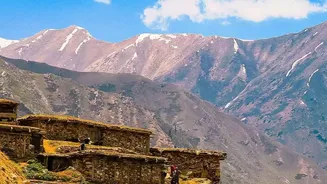
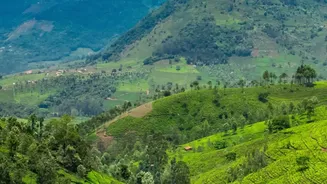
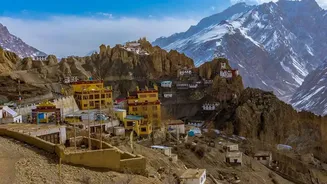
Several villages across Himachal are becoming hotspots for this celestial pilgrimage. The Spiti Valley, a cold desert mountain valley, is often hailed as the state's stargazing capital. Villages like Kaza, Langza, Kibber, and Hikkim, some of which sit at altitudes above 14,000 feet, offer near-perfect conditions. Langza, also known as the "fossil village," is particularly noted for its pristine environment and near-zero light pollution. More accessible but still offering stunning views are Jibhi and the Tirthan Valley, which provide a great balance of dark skies and comfortable accommodation for those not ready for Spiti's ruggedness. Even popular spots like Kasol and Tosh in the Parvati Valley offer incredible stargazing on clear nights. In many of these areas, local homestays are now catering to astrotourists, offering a blend of warm hospitality and cosmic wonder.
More Than Just a View
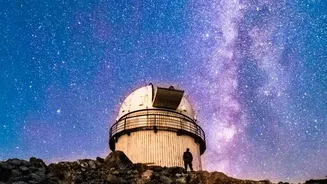
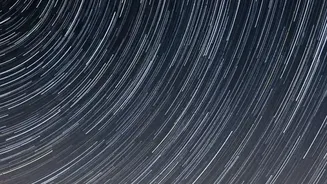
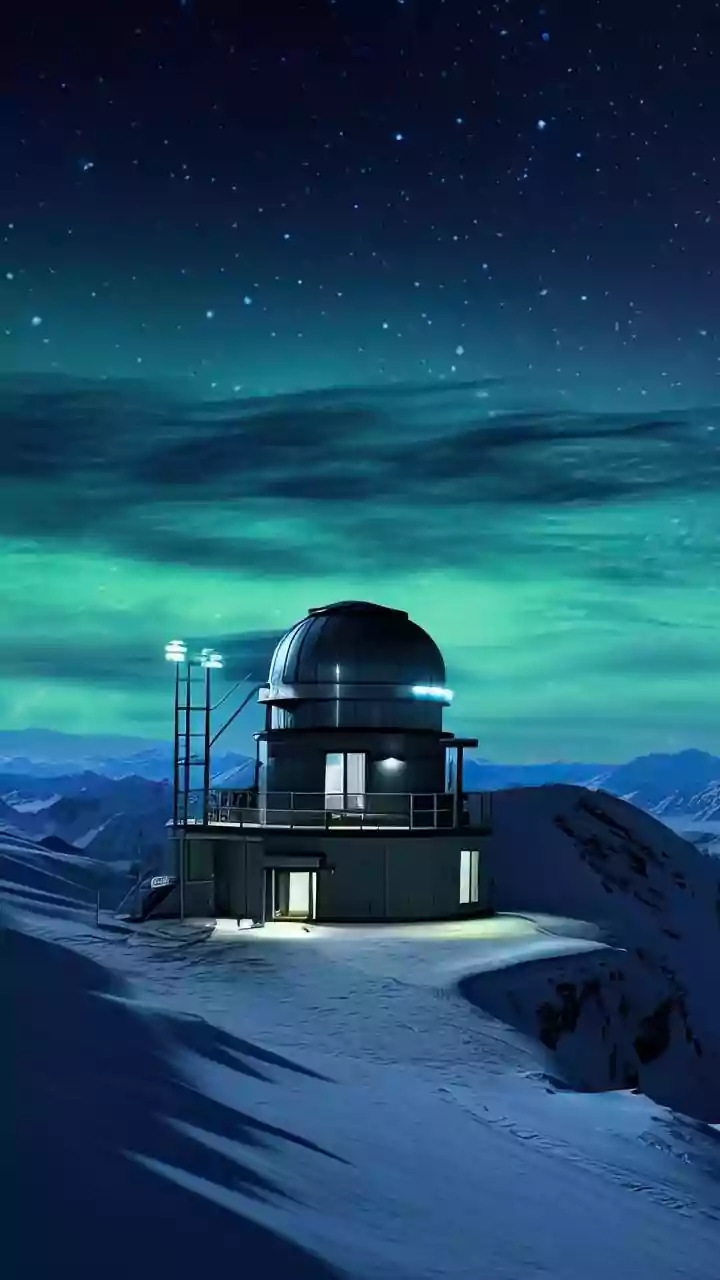
The experience goes beyond simply looking up. A burgeoning ecosystem has developed to enhance the journey. Local entrepreneurs and travel companies offer guided stargazing sessions with professional telescopes, allowing visitors to see planets, star clusters, and the moon's craters in stunning detail. In Spiti's main town of Kaza, a public dome observatory has been established specifically for tourists, making high-powered astronomy accessible to all. Astrophotography workshops are also popular, teaching visitors how to capture the beauty of the Himalayan night sky. The Himachal Pradesh government has actively started to promote astro-tourism, providing telescopes and training to local youths and homestay owners to create sustainable livelihood opportunities. This empowers local communities and enriches the visitor experience, integrating science with culture.
Planning Your Celestial Escape
Timing is everything for a successful stargazing trip. The clearest skies are generally found from autumn to early winter, specifically between October and January. The summer months from May to September are also excellent, particularly for viewing the Milky Way at its most brilliant. It is crucial to plan your visit around the new moon, as the bright light of a full moon can wash out fainter stars. Many homestays and local guides in areas like Spiti and Jibhi are well-versed in the best times and locations for viewing. While Spiti offers the darkest skies, it requires more arduous travel. For a more relaxed trip, destinations like Jibhi or even Chail offer fantastic night sky views with greater accessibility and comfort. No matter where you go, the sight of the cosmos stretching over the Himalayan peaks is an unforgettable adventure.